The question arrives from every prospective owner eventually: what does Porsche maintenance actually cost? Not the lowball estimates from salespeople trying to close deals. Not the horror stories from forums where outliers become legends. The real numbers. The ones you should budget for.
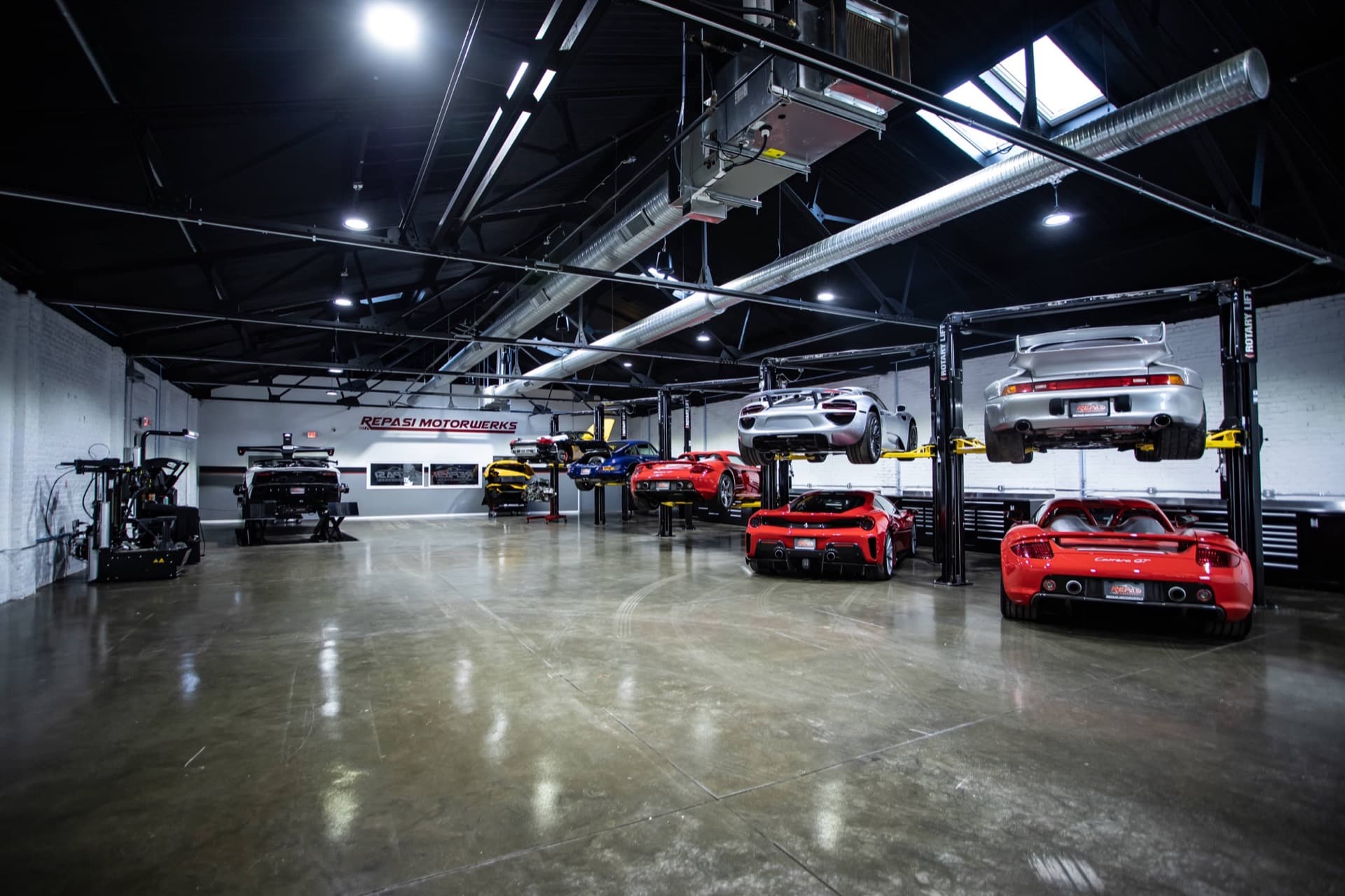
At Repasi Motorwerks, we service Porsches ranging from Macans to Carrera GTs. This experience has taught us what owners actually spend—and what factors push those costs up or down. Understanding costs starts with finding the right shop — read our guide to choosing a Porsche specialist.
The Foundation of Porsche Ownership Costs
Porsche maintenance costs more than typical car ownership. This isn't arbitrary dealer pricing or brand tax. These cars use premium materials, require specialized expertise, and have engineering that demands proper care. The flat-six engine architecture, sophisticated suspension systems, PDK transmissions, and carbon ceramic brakes all require attention that ordinary cars don't.
However, costs vary dramatically based on several factors. Model and variant matter enormously—a Macan and a GT2 RS occupy different financial universes. Service provider choice affects pricing significantly, with dealers typically charging more than qualified independents. Geographic location creates regional variation. Usage patterns—street versus track—determine how quickly consumables deplete. And maintenance history affects what catches up with you and when.
Understanding these factors helps you budget realistically for the Porsche you own or want to own.
SUVs: Cayenne and Macan
The Cayenne and Macan represent the most accessible Porsche maintenance costs, though they're still premium compared to non-luxury SUVs.
At Porsche dealers, annual service runs fifteen hundred to three thousand dollars. An oil change alone costs three hundred to four hundred fifty. Brake fluid service adds two hundred fifty to four hundred. Major service intervals cost twenty-five hundred to forty-five hundred.
Independent specialists—shops with Porsche expertise but without dealer overhead—typically charge less. Annual service runs eight hundred to fifteen hundred. Oil changes cost one eighty to two eighty. Brake fluid runs one fifty to two fifty. Major service costs fifteen hundred to twenty-eight hundred.
For realistic budgeting, plan on fifteen hundred to thirty-five hundred annually for SUV ownership, assuming no major repairs.
Base 911: Carrera and Targa
The iconic 911 requires quality care but isn't extraordinarily expensive to maintain. The air-cooled heritage and straightforward engineering keep costs reasonable compared to more exotic alternatives.
Dealer pricing runs higher: annual service costs two thousand to four thousand dollars. Oil changes run three fifty to five hundred. Brake service costs six hundred to twelve hundred. PDK service, when due, adds twelve hundred to eighteen hundred.
Independent shops reduce these costs meaningfully: annual service runs a thousand to twenty-five hundred. Oil changes cost two hundred to three fifty. Brake service runs four hundred to eight hundred. PDK service costs six hundred to a thousand.
Budget twenty-five hundred to five thousand annually for base 911 ownership.
911 Turbo
Turbocharged models add complexity that drives corresponding costs. Twin turbochargers require attention, boost systems need monitoring, and the additional power stresses components harder.
Dealer annual service runs three thousand to five thousand. Oil changes cost four hundred to six hundred. Brake service runs eight hundred to fifteen hundred. Major service costs four thousand to seven thousand.
Independent specialists typically charge fifteen hundred to three thousand for annual service, two fifty to four hundred for oil changes, five hundred to a thousand for brake work, and twenty-five hundred to forty-five hundred for major service.
Budget thirty-five hundred to six thousand annually for Turbo ownership.
GT3 and GT3 RS
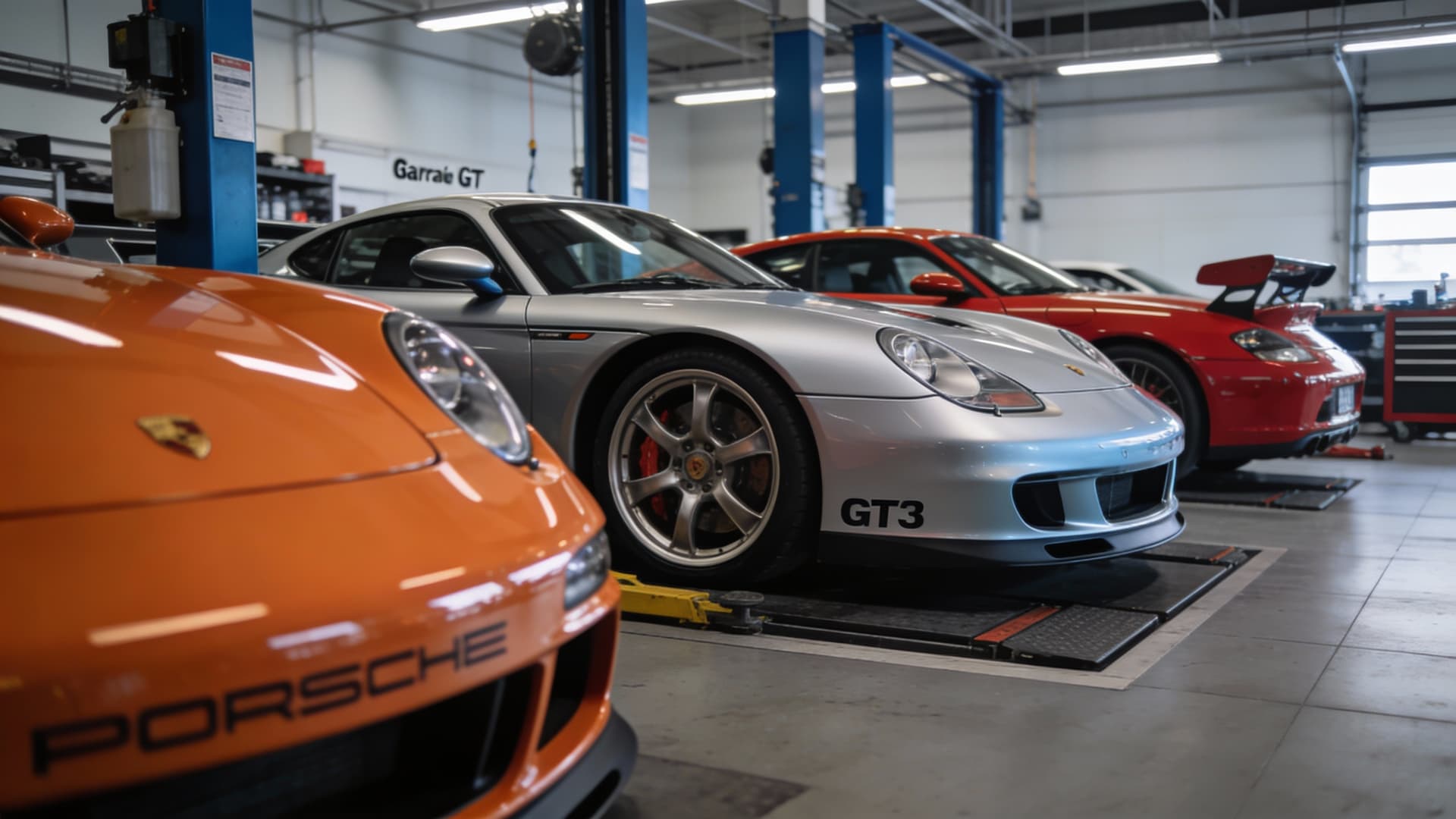
High-revving engines designed for track use increase maintenance requirements and costs. The naturally aspirated flat-six that defines these cars demands respect and corresponding attention.
Dealer annual service runs four thousand to eight thousand. Oil changes cost four fifty to six fifty. Track preparation—fluid changes, inspection, alignment verification—adds eight hundred to fifteen hundred. Major service costs six thousand to ten thousand.
Independent specialists charge two thousand to five thousand for annual service, three hundred to four fifty for oil changes, five hundred to a thousand for track prep, and thirty-five hundred to sixty-five hundred for major service.
For street-only GT3 ownership, budget four thousand to seven thousand annually. If you're tracking the car—which is what it's designed for—budget seven thousand to fifteen thousand to account for accelerated consumable use.
GT2 RS
The most extreme 911 has corresponding maintenance expectations. Seven hundred horsepower through the rear wheels stresses every component more than naturally aspirated GT cars.
Dealer annual service runs five thousand to ten thousand. Oil changes cost five hundred to seven hundred. Brake inspection and service runs four hundred to seven hundred. Major service costs eight thousand to fifteen thousand.
Independent specialists charge three thousand to seven thousand for annual service, three fifty to five hundred for oil changes, two fifty to four fifty for brake inspection, and five thousand to ten thousand for major service.
Budget five thousand to twelve thousand annually for GT2 RS ownership.
Carrera GT
Hypercar ownership requires hypercar budgets. Many dealers decline Carrera GT service—the specialized knowledge and equipment required aren't worth maintaining for cars they rarely see.
Independent specialists who maintain genuine Carrera GT capability—shops like ours—charge four thousand to ten thousand for annual service. Major service runs fifteen thousand to thirty thousand. Clutch replacement, when needed, costs eighteen thousand to twenty-eight thousand.
Budget eight thousand to twenty-five thousand or more annually for Carrera GT ownership. This assumes nothing major goes wrong—and on a car this complex, something eventually will.
918 Spyder
Hybrid complexity adds to already-substantial hypercar costs. The 918's combination of V8 engine, dual electric motors, and high-voltage battery system creates maintenance requirements unique to this platform.
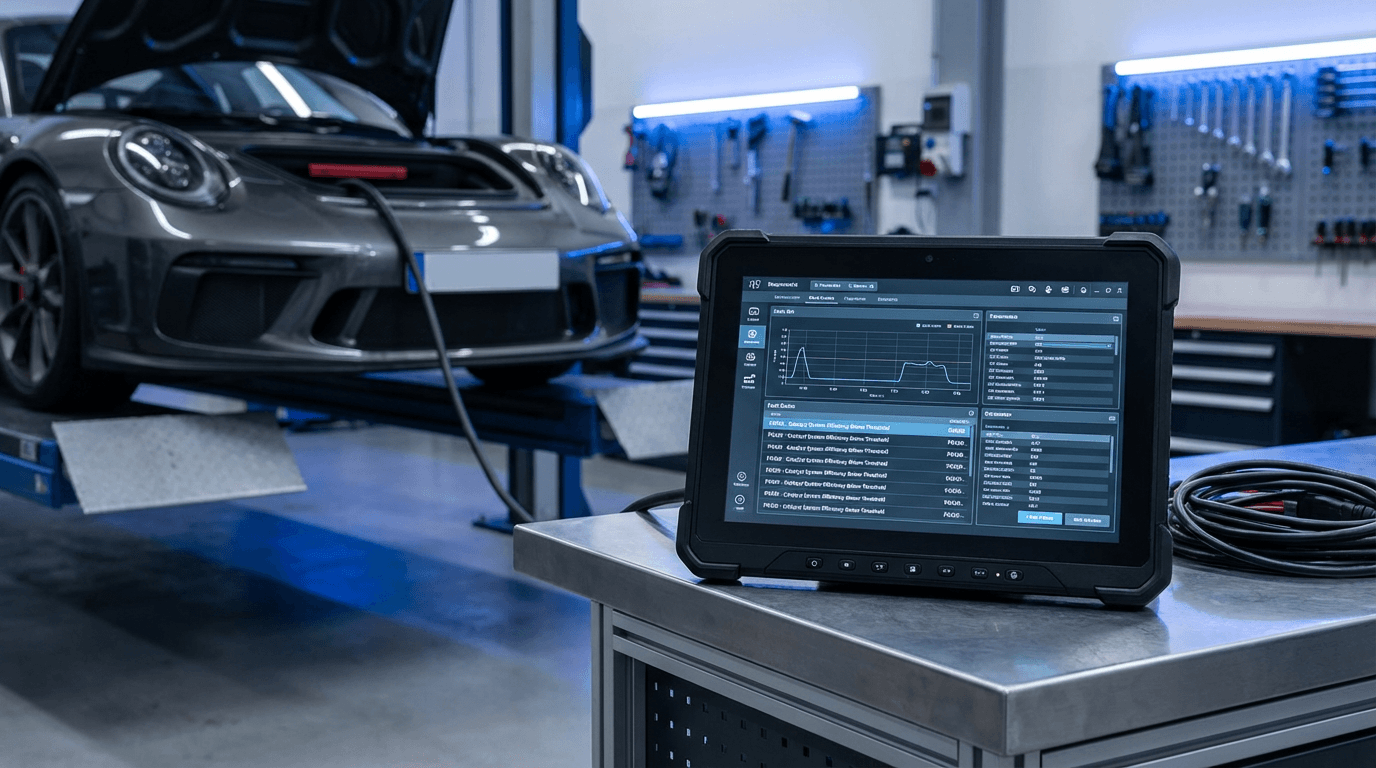
Annual service runs eight thousand to fifteen thousand at qualified facilities. Major service costs twenty thousand to thirty-five thousand. Battery conditioning, when needed, adds substantial expense. Hybrid system diagnostics require specialized equipment and training that few shops possess.
Budget twelve thousand to twenty-five thousand annually for 918 ownership—more if the car sees regular use.
Why Costs Vary So Dramatically
The spread between dealer and independent pricing deserves explanation. Dealers operate with overhead that independent shops don't carry: massive facilities, corporate requirements, manufacturer mandates. They charge accordingly.
Independent specialists often provide equal or superior service at lower cost because they've invested in expertise rather than marble floors. The key is finding independents with genuine capability—not shops claiming Porsche expertise based on occasional work.
Geographic variation reflects local market conditions. Service in Manhattan costs more than service in suburban Connecticut because everything in Manhattan costs more. But the work itself doesn't differ.
Usage patterns affect costs more than many owners realize. Track use accelerates everything: oil changes come more frequently, brake pads and rotors wear faster, tires last fewer miles, and components see stress that street driving never approaches. A GT3 used primarily for canyon runs costs half what the same car costs when tracked regularly.
Dealer Versus Independent: The Real Trade-off
Dealers offer factory affiliation, standardized processes, and manufacturer relationships. For warranty work, dealer service is often required. For non-warranty maintenance, the calculus changes.
Independent specialists with genuine expertise often provide better service for Porsche GT cars and exotics. Dealers see these cars occasionally; specialists see them constantly. The accumulated experience matters more than corporate affiliation.
The key is verification. Any shop can claim Porsche expertise. Genuine capability requires training, equipment, experience, and specialization. Ask questions. Understand what you're paying for. The cheapest option isn't always the best value—but neither is the most expensive.
Questions about Porsche service costs? Contact Repasi Motorwerks in Stratford, Connecticut. We provide honest estimates based on what your car actually needs—not what inflates invoices.