The call came on a Tuesday afternoon. A collector from Dallas was looking at a Basalt Black Carrera GT with 6,800 miles, immaculate presentation, and a price that seemed almost reasonable for the current market. Could we fly out and inspect it before he committed to a wire transfer that would move more money than most people's houses cost?
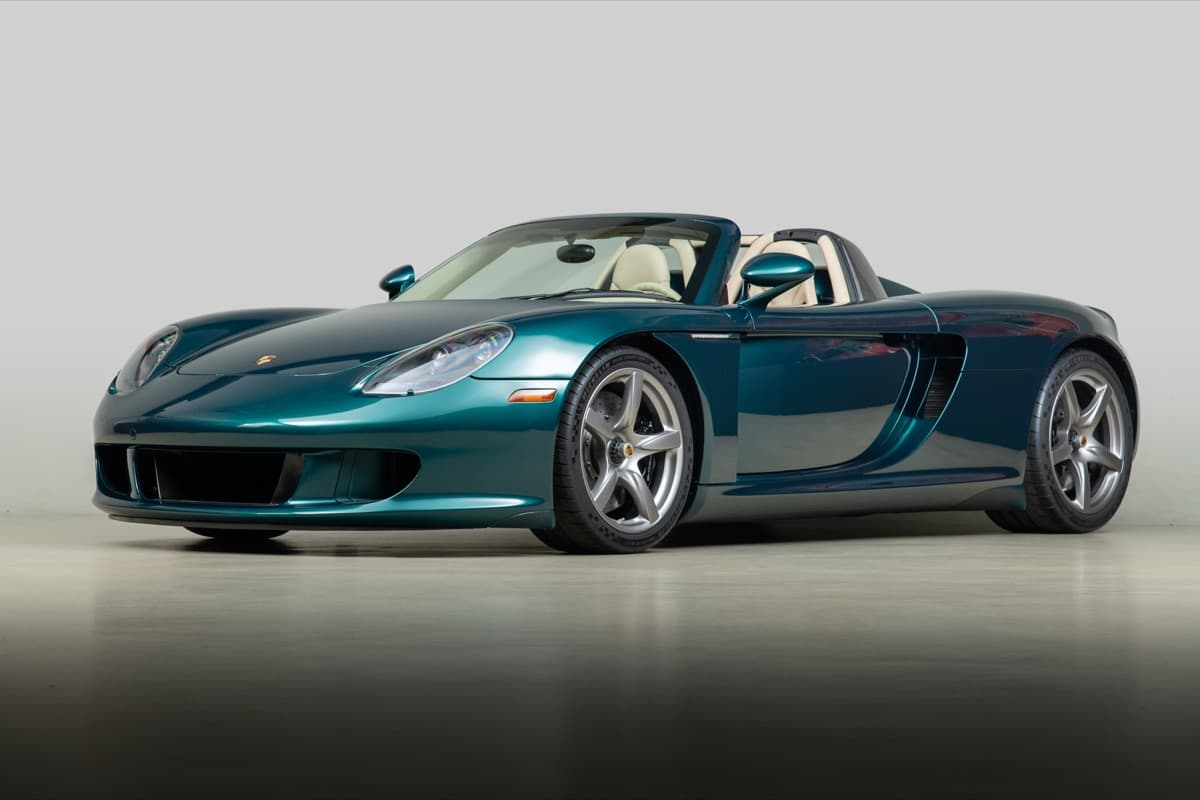
We've had this conversation dozens of times. The Carrera GT represents something singular in automotive history—a Le Mans racing program that never made it to the track, distilled into 1,270 road cars that Porsche built between 2004 and 2007. Finding one for sale is rare enough. Finding a good one requires knowing exactly what separates a well-maintained example from a potential six-figure money pit. Explore our full Carrera GT resource center for specifications, ownership guidance, and service expertise.
At our shop in Stratford, Connecticut, we've inspected, serviced, and restored more Carrera GTs than we can count anymore. We've seen pristine garage queens that hadn't moved in three years, and we've seen heavily tracked examples that arrived on flatbeds needing complete mechanical restoration. What we've learned over thousands of hours with these cars fills this guide—whether you're a prospective buyer evaluating your first CGT, or simply curious about what makes them worth the obsession.
The Market Has Changed Dramatically
When the last Carrera GT rolled off the line in 2006, you could buy one for sticker price if you had the right relationship with a dealer. During the 2008-2010 financial crisis, examples traded at or below the $440,000 MSRP. Those days are long gone.
Today's market sorts itself into distinct tiers based on mileage and condition. The lowest-mileage collector examples—cars with fewer than 2,500 miles—now trade between $2.5 million and $3.5 million or more, depending on specification and provenance. These are museum pieces, bought by collectors who may never drive them more than around the block once a year.
The sweet spot for enthusiasts who want to actually enjoy their car sits in what we call the "driver" tier—cars with 8,000 to 15,000 miles in very good condition. These trade between $1.4 and $2 million, representing genuine savings from the collector tier while still offering years of driving enjoyment. Higher-mileage examples above 15,000 miles typically range from $1.2 to $1.6 million, though condition matters enormously within this bracket.
Color affects value more than many buyers expect. GT Silver Metallic, Basalt Black, and Fayence Yellow command premiums—sometimes $100,000 or more above equivalent cars in less popular colors. Guards Red and Arena Red, ironically, often trade at discounts of five to ten percent. The Color-to-Sample cars present their own challenges; a unique shade might add substantial value to the right buyer or make the car harder to sell later.
But documentation trumps everything. A Carrera GT with complete service records from recognized specialists, its original window sticker, and thorough photographic history will command significantly higher prices than a mechanically identical car with gaps in its paper trail. We've seen documentation add $200,000 to otherwise comparable examples. Buyers are increasingly unwilling to gamble on mystery cars at these price points.
The Clutch Conversation Every Buyer Has
Nothing generates more questions—or more anxiety—than the Carrera GT's ceramic composite clutch. Internet forums overflow with horror stories of $20,000 replacements after just a few thousand miles. Some buyers convince themselves the car is fundamentally undriveable. Others worry the clutch is a ticking time bomb waiting to empty their bank account.
The reality is more nuanced, and frankly, more encouraging than the forum chatter suggests.
Yes, the clutch replacement runs between $10,000 and $20,000 including parts and labor. That's significant money. But we've seen clutches fail at 2,000 miles due to improper technique, and we've seen original clutches exceed 20,000 miles with proper care. The difference isn't luck—it's understanding how this specific clutch system works and driving it accordingly.
The Carrera GT's clutch was derived from racing applications where professional drivers engaged it decisively at high RPM. The engagement character is binary by design—not the progressive, forgiving action of a typical street car clutch. Drivers who try to baby it, slipping the clutch at low RPM, actually accelerate wear. Those who learn to engage it crisply at 2,500 RPM or above find it rewards them with years of reliable service.
Driver technique matters more than miles driven. Traffic patterns affect clutch life more than highway cruising. A car with 15,000 highway miles may have more clutch life remaining than a car with 5,000 miles accumulated in stop-and-go Manhattan traffic. Previous owner history—who drove the car and how—tells us more than odometer readings alone.
During every pre-purchase inspection, we measure clutch disc thickness using specialized tooling inserted through an access port. This measurement, combined with our driving impressions during the road test, gives us a reasonable estimate of remaining clutch life. We look for engagement characteristics, any burnt smell, juddering sensations, and evidence of previous abuse. A healthy clutch with a competent driver behind the wheel should provide many years of enjoyable driving. The fear surrounding this component is often overblown—but ignoring it entirely during purchase evaluation would be foolish.
Reading the V10's Story
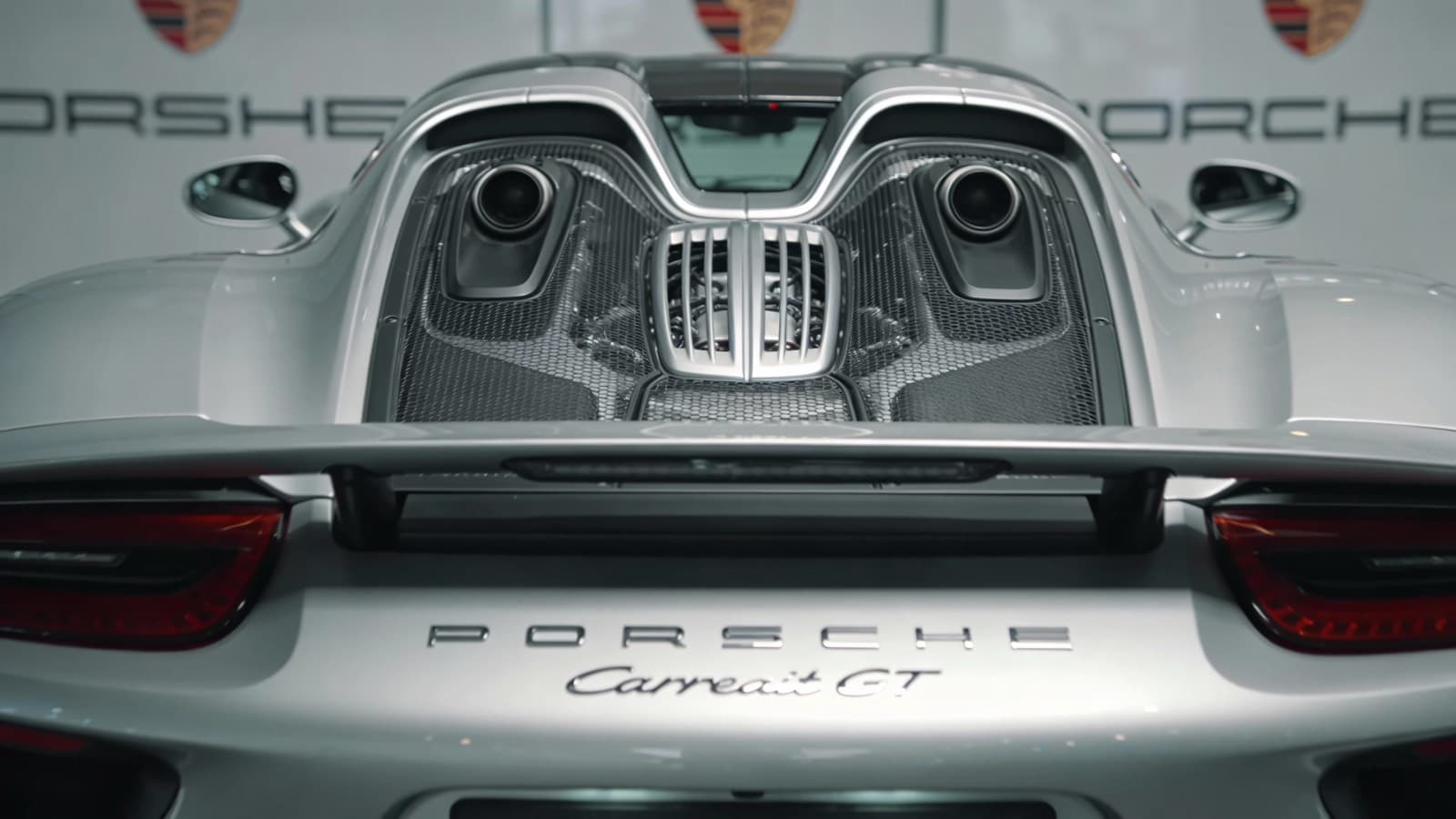
The 5.7-liter V10 engine is why this car exists. Derived from Porsche's stillborn Le Mans racing program, it produces 605 horsepower at 8,000 RPM and will rev to an 8,400 redline. Unlike the turbocharged engines dominating modern supercars, this naturally aspirated masterpiece delivers linear power with mechanical response and a soundtrack that defies description. People who've heard it at full song usually struggle to articulate the experience—and then spend years chasing that sound again.
Engine inspection requires looking beyond basic vital signs. Oil analysis provides our first window into internal conditions. We send samples to laboratories specializing in high-performance engines, looking for telltale signs: elevated copper content can indicate bearing wear, elevated iron suggests cylinder or valve train issues, and elevated aluminum might point to piston or head problems. A single analysis isn't definitive, but it contributes essential data to our overall assessment.
Compression testing follows. We check all ten cylinders at operating temperature, looking for consistent readings with variation of less than ten percent between cylinders. The absolute numbers matter less than the relationship between them. One cylinder reading significantly different from its neighbors warrants further investigation, even if all readings fall within published specifications.
The cam follower concern affected some early production engines, leading to a design update during the production run. Properly maintained cars with current follower specifications aren't at significant risk, but we verify follower condition during comprehensive inspections. It's become less of an issue as knowledge has spread and owners have addressed potential problems proactively.
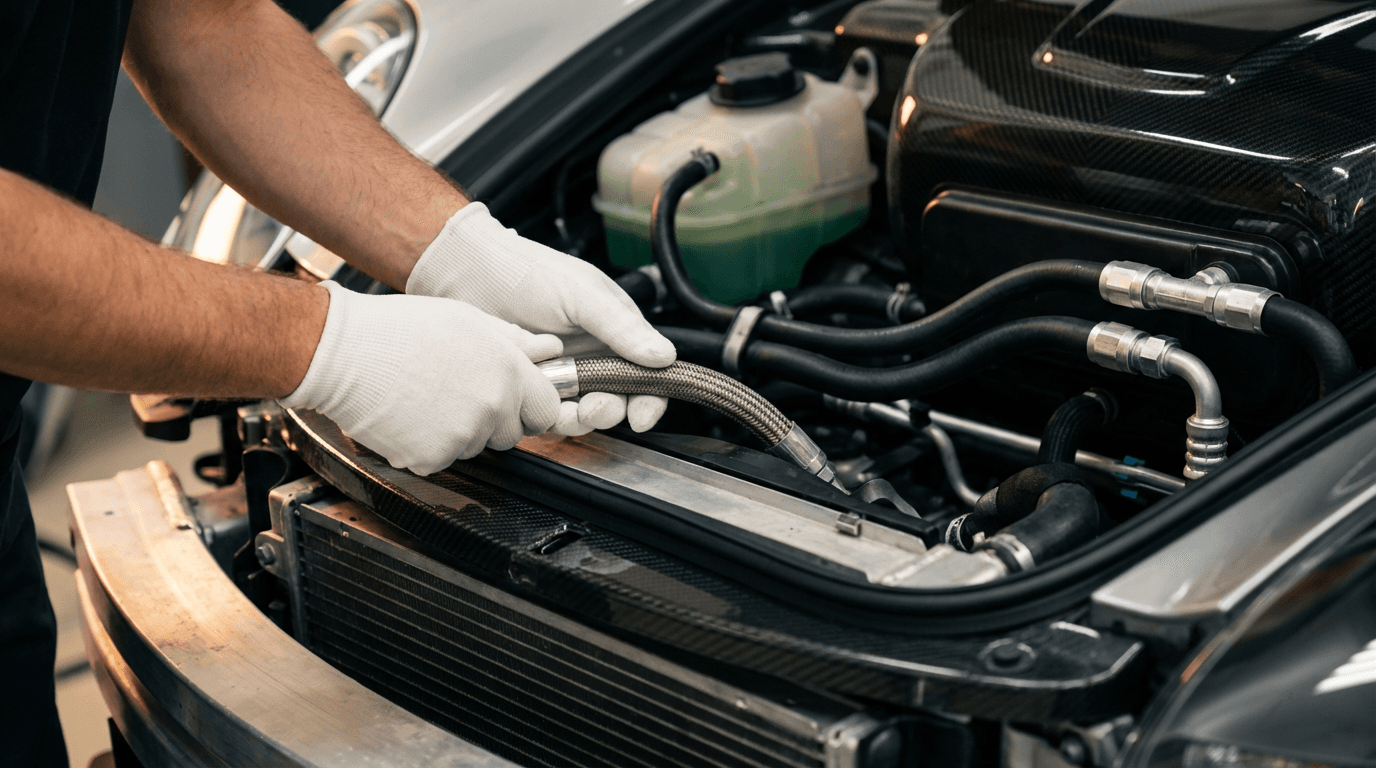
We listen carefully during our evaluation—to exhaust note at various RPMs, to intake sound at wide-open throttle, to any mechanical noises that shouldn't be there. This engine speaks to those who know how to listen. Timing chain tensioners, exhaust header condition, oil cooler connections—we inspect them all, building a complete picture of the engine's health and history.
Carbon Fiber Changes Everything
The Carrera GT was one of the first production cars to use a carbon fiber monocoque chassis. This construction provides exceptional rigidity at minimal weight, but it fundamentally changes how we evaluate structural condition. Carbon fiber doesn't crumple and repair like steel. Damaged carbon generally requires replacement—and replacement of major structural components may not be possible or cost-effective.
When we inspect the chassis, we're looking at every surface of that carbon tub visible from inside the car and from underneath on the lift. We're checking for evidence of repairs or modifications to the carbon structure, inconsistencies in panel gaps that might indicate chassis distortion, door alignment issues, and suspension mounting point integrity. The aluminum subframes warrant their own careful examination.
Previous accident damage affects value dramatically, even when properly repaired. Many serious buyers avoid accident-history cars entirely, regardless of repair quality. Others will consider minor incidents if properly disclosed and professionally repaired. Our job is providing honest assessment of what we find—the cracks, the repairs, the evidence of impacts—and letting buyers make informed decisions about their risk tolerance.
The Racing-Derived Suspension
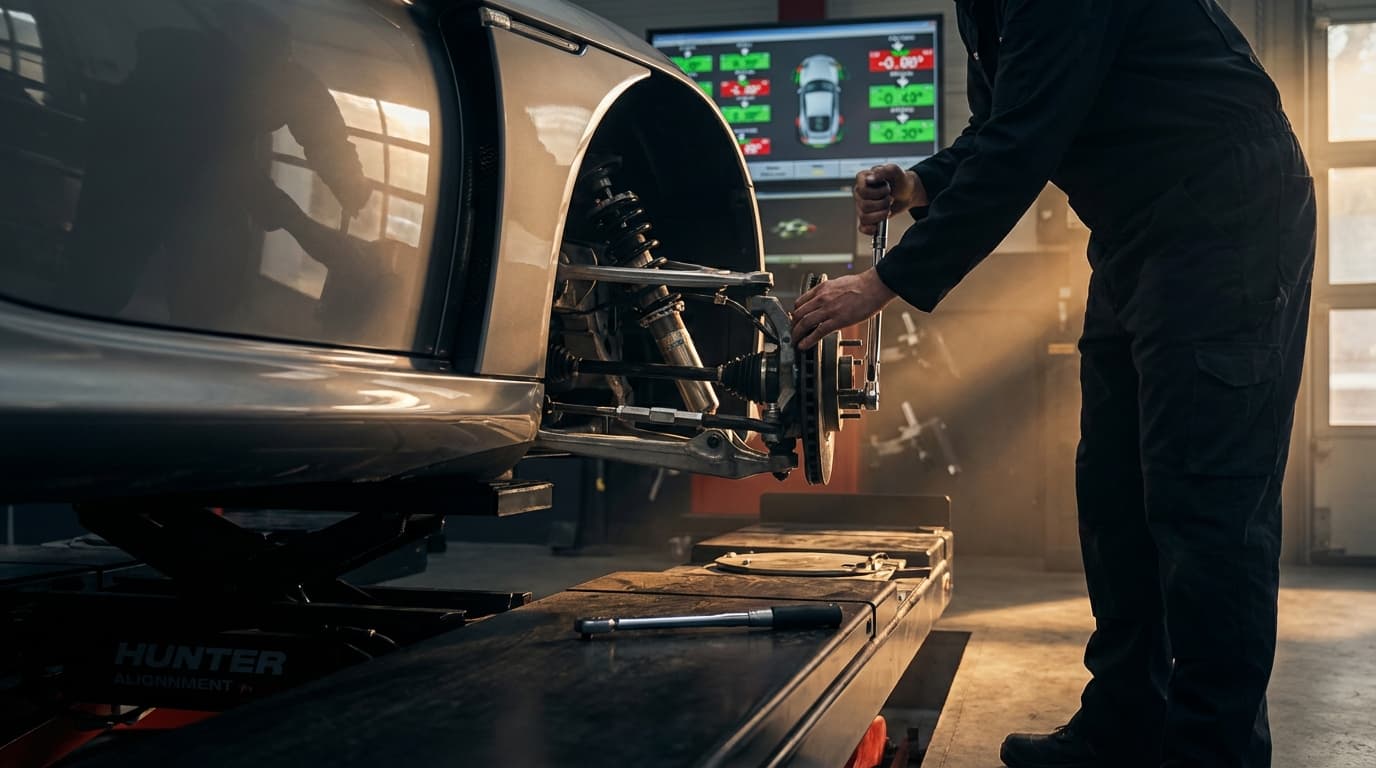
Inboard springs and dampers actuated through pushrods—this suspension architecture came straight from racing practice. It provides exceptional handling dynamics but requires specialized knowledge to evaluate and service. The front suspension is particularly complex, requiring significant disassembly to access key components.
We check shock absorbers for leaks and proper function, springs for condition and preload, pushrods and rocker arms for wear or damage, ball joints and bushings throughout the suspension, and wheel bearings for play or noise. Alignment geometry tells its own story—camber, caster, and toe readings out of specification can indicate worn components, accident damage, or simply deferred maintenance.
The rear suspension presents unique considerations because the engine serves as a structural member. Engine mounts affect suspension behavior; worn mounts can cause handling anomalies and unusual vibrations that might otherwise suggest more serious problems. We evaluate these as part of our complete assessment.
PCCB Brakes: Capability and Cost
Every Carrera GT left the factory with Porsche Ceramic Composite Brakes—massive carbon-ceramic rotors paired with matched calipers that provide extraordinary stopping power at significant weight savings compared to steel. These brakes were revolutionary when introduced, and they remain impressive two decades later.
But they require careful inspection. We check rotor surfaces for cracking—some minor surface cracking is cosmetic and acceptable, while deeper cracks can indicate need for replacement. We measure wear depth on rotors and pad thickness, test caliper function including piston seal condition, inspect brake lines for age-related deterioration, and check fluid moisture content.
Rotor replacement is expensive. Factory PCCB rotors run $8,000 to $12,000 per axle, and availability has become increasingly challenging as these parts grow scarcer. We've become advocates for Surface Transforms carbon ceramic rotors as an alternative when factory parts need replacement. These modern rotors offer improved performance characteristics and better long-term availability than increasingly rare OEM components.
Brake condition directly affects purchase value. A car needing imminent rotor replacement should reflect that cost in its price—or the buyer should understand they're acquiring a significant near-term expense.
Documentation Tells the True Story
A well-documented Carrera GT is worth meaningfully more than one with incomplete records—sometimes hundreds of thousands of dollars more. With only 1,270 examples built, most have traceable histories if those records exist and were preserved.
We want to see the original window sticker confirming factory specification. We want continuous service records from recognized specialists—not just dates and mileage, but detailed descriptions of work performed. Previous pre-purchase inspection reports tell us what other experts found and when. Factory correspondence regarding warranty work, recalls, and technical campaigns documents the car's relationship with Porsche. Title history reveals how many owners have possessed the car and where it's been registered.
When possible, we contact previous service providers to verify records and gather additional history. This research sometimes reveals issues not apparent from documents alone—repairs that weren't fully documented, concerns raised but never addressed, modifications made and then reversed. The paper trail, when complete, tells the car's story in ways the metal itself cannot.
Recognizing Warning Signs
After inspecting and servicing so many of these cars, we've learned what should give a buyer pause—and what should make them walk away entirely.
Unknown clutch history with no measurements available presents unacceptable risk. Evidence of undisclosed collision damage should end most negotiations immediately. Missing significant service records raises questions that may never be answered satisfactorily. Pricing significantly below market without clear explanation usually means there's something the seller isn't saying. And any seller unwilling to allow an independent pre-purchase inspection is hiding something—buyers should move on without hesitation.
Other warning signs require investigation rather than immediate rejection. Multiple short-term owners in recent years might indicate a problem car or might simply reflect market speculation. Aftermarket wheels sometimes indicate previous curb damage or accident repair. Unusual modifications merit questions about why they were made and by whom. Service exclusively at non-specialist shops suggests the car may not have received appropriate care. Large gaps in documented history require explanation.
We've helped buyers navigate all of these situations. Some cars with warning signs prove acceptable after investigation; others reveal problems that justify walking away despite attractive pricing. Our role is providing the information buyers need to decide for themselves.
What Our Inspection Includes
A thorough Carrera GT pre-purchase inspection takes eight to ten hours. We examine every accessible surface inside and out. We put the car on the lift for comprehensive undercarriage inspection. We open every panel that opens and photograph everything we find.
The engine gets complete evaluation including compression testing on all ten cylinders and fluid sampling for laboratory analysis. We measure clutch wear using specialized tooling. We inspect the brake system thoroughly and test every electronic system through diagnostic scans of all modules. We review whatever documentation accompanies the car.
And then we drive it. At least fifteen to twenty miles of varied driving—highway, back roads, traffic—to understand how this specific example behaves under real conditions. That road test often reveals things no stationary inspection could find.
Our written report documents everything with extensive photography, providing an honest assessment of what we found and what it means for the car's condition and value. We don't tell buyers what to do—we give them the information they need to make informed decisions.
Thinking About Investment
The Carrera GT has proven to be an exceptional investment for many owners. Values have appreciated dramatically since production ended, and the car's historical significance—the last of Porsche's analog supercars, essentially a road-going Le Mans prototype—suggests continued collectibility.
But we caution anyone against purchasing primarily for investment. These cars are expensive to own even if they never turn a wheel. Storage, insurance, and basic maintenance run $10,000 to $20,000 annually for a true garage queen. The Carrera GT was built to be driven, and we believe it's best owned by enthusiasts who will enjoy it—who will hear that V10 at full song and feel the clutch bite and experience what made this car worth building in the first place.
For buyers seeking both enjoyment and value preservation, moderate driving works well. Two to four thousand miles annually, meticulous maintenance with complete documentation, proper climate-controlled storage, and quality agreed-value insurance coverage protect both the experience and the investment. The best buyers we know are the ones who use their cars wisely while caring for them completely.
Before You Buy
The cost of a thorough pre-purchase inspection—typically $1,000 to $2,000—represents a fraction of a percent of transaction value. We've helped buyers from across the country evaluate Carrera GTs, sometimes recommending purchase of excellent examples and sometimes advising them to walk away from attractively priced cars with hidden issues.
That call from Dallas? The car presented beautifully. The documentation was nearly complete. But our inspection revealed evidence of undisclosed paint work that didn't match the car's claimed accident-free history. The buyer chose to pass, and later thanked us when the same car reappeared at auction with a substantially revised description.
Every Carrera GT tells a story. Our job is helping buyers understand what that story means before they commit. If you're evaluating one of these remarkable machines, we'd welcome the opportunity to help.