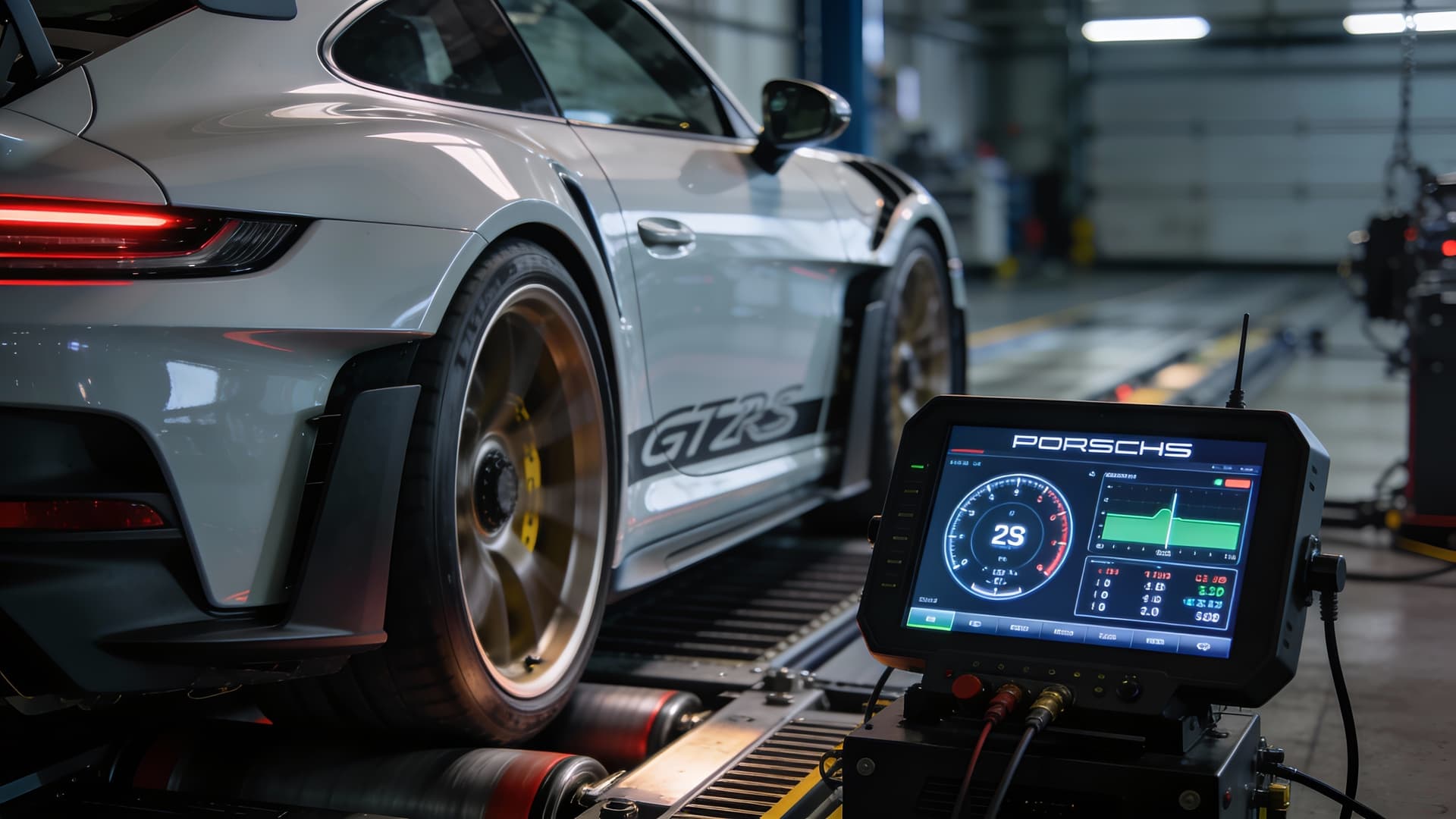
Seven hundred horsepower through the rear wheels. That singular fact shapes everything about GT2 RS ownership—including what the car needs to stay reliable and performing.
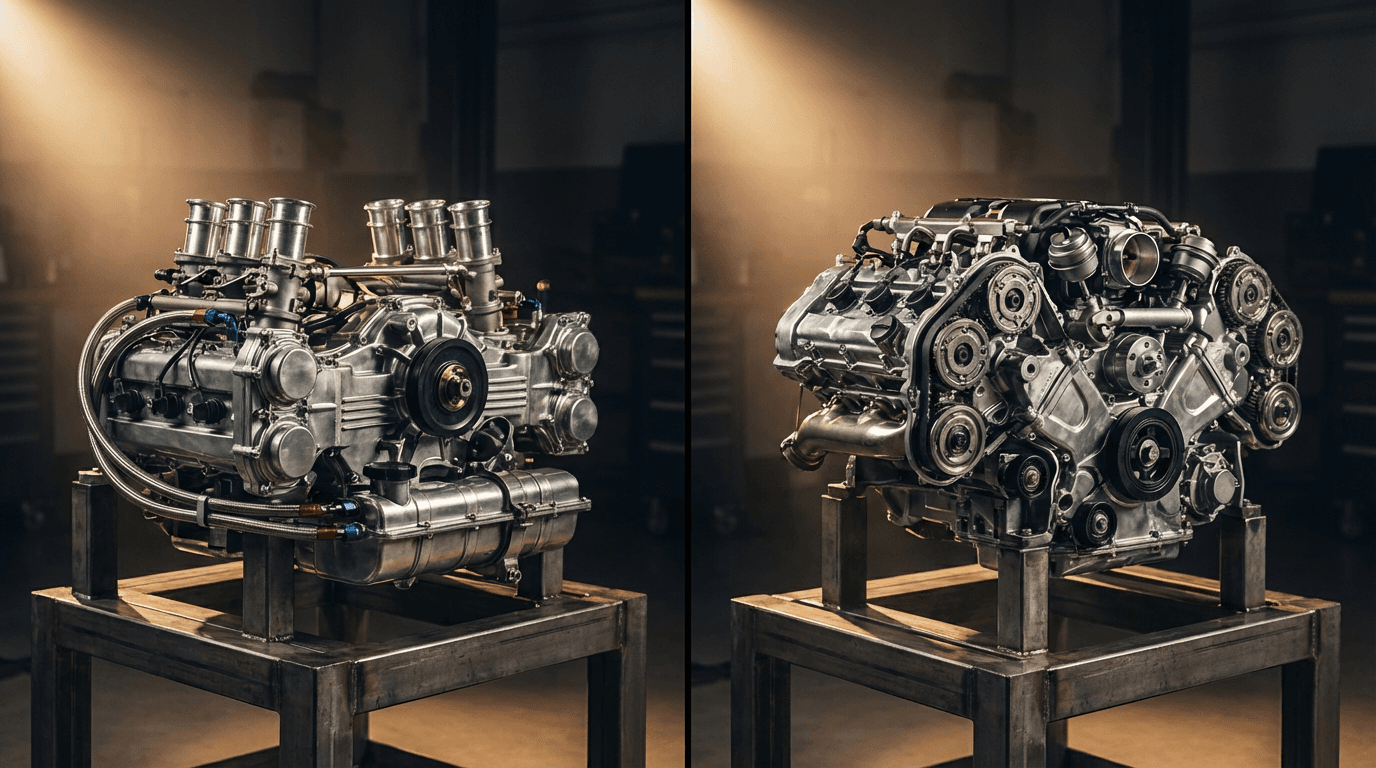
The 991-generation GT2 RS stands as the most powerful street-legal 911 Porsche has ever built. Its twin-turbocharged 3.8-liter flat-six produces power that would have been shocking in a race car a decade earlier. Zero to sixty in 2.7 seconds. Top speed of 211 miles per hour. The Weissach Package version tips the scales at just 3,173 pounds dry. For related GT ownership content, see our Ultimate GT3 Owner's Guide — many maintenance principles overlap.
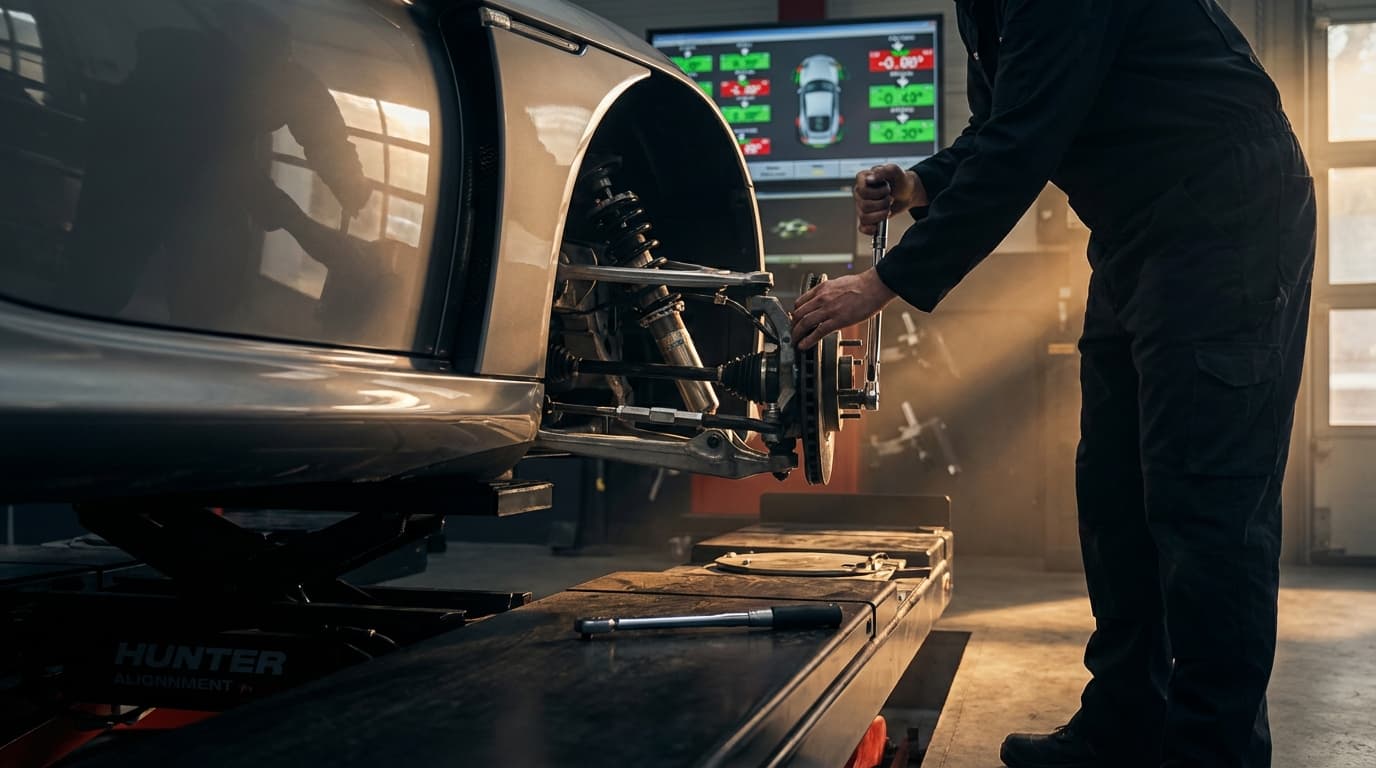
These specifications translate to a car that accelerates, stops, and corners with violence. At Repasi Motorwerks, we've maintained multiple GT2 RS examples and learned what these extraordinary machines require to perform at their potential.
The Annual Baseline
Every GT2 RS requires annual service regardless of mileage. The intensity of the car's design means time-based deterioration matters as much as use-based wear.
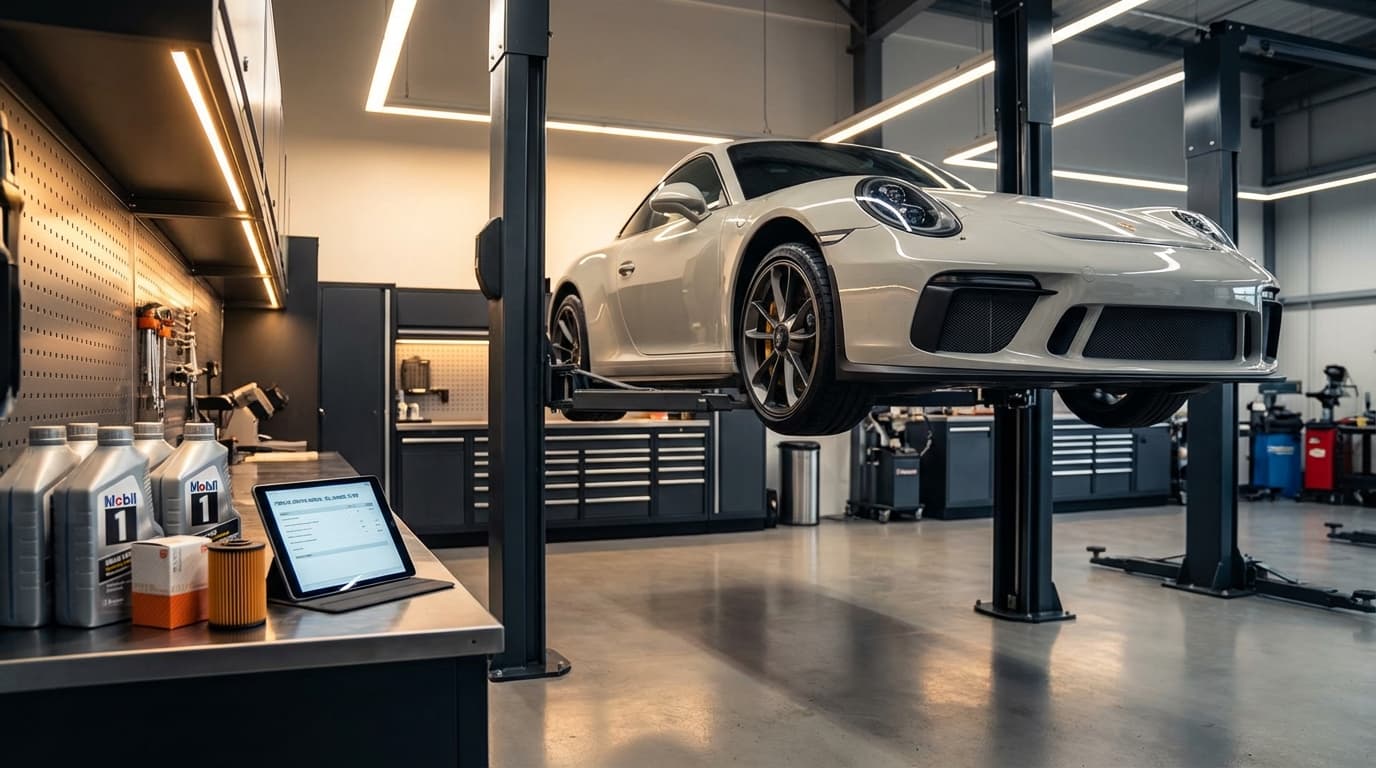
Annual service covers the essentials. Engine oil and filter—approximately nine quarts of factory-specification oil, because the turbochargers demand proper lubrication. Brake fluid flush with DOT 4 Plus or racing-specification fluid, because the brakes work hard enough that degraded fluid becomes dangerous. Cabin filter replacement. Comprehensive multi-point inspection covering all systems. Full diagnostic scan of all electronic modules to catch developing issues.
Tire inspection deserves special mention. The GT2 RS's power and grip mean tires work harder than on most cars. Wear patterns reveal alignment issues and driving style. Pressure verification matters because these cars are sensitive to tire conditions.
This baseline annual service runs thirty-five hundred to six thousand dollars depending on what inspection reveals. Finding and addressing developing problems early costs far less than waiting until they become serious.
Twenty Thousand Mile Service
Beyond the annual baseline, the twenty-thousand-mile interval adds components that need attention at this point in the car's life.
Spark plugs for all six cylinders ensure optimal combustion. The turbocharged engine's high cylinder pressures make spark plug condition more critical than on naturally aspirated cars. Engine air filters need replacement to ensure the turbos receive clean air at proper flow rates. PDK fluid service maintains the dual-clutch transmission that handles all 700 horsepower. Drive belt inspection assesses condition and determines whether replacement is needed now or can wait.
This service, including annual items, typically runs five to eight thousand dollars.
Forty Thousand Mile Major Service
The major service interval addresses components with longer service lives. Coolant replacement across all circuits ensures the cooling system that manages turbocharger heat continues functioning properly. Drive belt replacement, if not addressed earlier, happens now. Turbo system inspection checks for boost leaks and verifies wastegate function. Comprehensive brake inspection evaluates the entire system in detail.
Major service, including everything from annual and intermediate intervals, runs seven to twelve thousand dollars. The range reflects what condition-based items get addressed.
What Turbocharging Adds
The GT2 RS's twin-turbo system creates maintenance considerations that naturally aspirated GT cars don't share.
Oil quality becomes critical because turbocharger bearings spin at extreme speeds and depend on proper lubrication. Using anything other than factory-specification oil risks bearing damage that leads to turbocharger failure. This isn't an area for cost-cutting.
Cool-down protocol matters because turbochargers continue spinning after engine shutdown, and oil flow stops. Allowing the engine to idle for thirty to sixty seconds after spirited driving lets the turbos slow while oil still circulates. Shutting down immediately after hard driving leaves the bearings spinning without lubrication—a recipe for premature wear.
Boost monitoring helps catch developing problems. Inconsistent boost, unusual spikes or drops, or check engine lights related to boost control all warrant investigation. The wastegate may rattle—that's normal for these systems—but actual function should be verified during service.
PDK Transmission: Managing the Power
The seven-speed PDK is the only transmission available in the GT2 RS. Porsche determined that only PDK could reliably handle this power level, and the transmission does its job remarkably well.
PDK maintenance follows standard intervals, but the fluid works harder than in less powerful applications. Heat accumulates during aggressive driving. Launch control—tempting with 700 horsepower available—stresses the clutch packs. Track use accelerates wear across the entire system.
Monitoring clutch wear values through PIWIS diagnostics helps predict when service will be needed. Clutch replacement, when necessary, runs twelve to fifteen thousand dollars—expensive enough that monitoring makes sense.
Transmission cooling matters on tracked cars. The GT2 RS has adequate cooling for aggressive street driving, but sustained track use can overwhelm the system. Monitoring transmission temperature during track sessions helps avoid heat-related damage.
Brake System: The Critical Balance
PCCB carbon ceramic brakes are standard on the GT2 RS, and they work extraordinarily hard. The power and speed this car achieves creates braking demands that challenge even carbon ceramic systems.
Brake fluid must be fresh. The temperatures generated during aggressive braking—especially on track—degrade brake fluid rapidly. Contaminated fluid boils at lower temperatures, causing brake fade when you need stopping power most. Fluid should be changed before each track season, and street-focused owners who drive aggressively should consider annual changes regardless of factory intervals.
Pad wear depends entirely on use. Track days consume pads that would last years on a street-driven car. Monitor thickness rather than assuming mileage-based life. Rotor condition should be evaluated as the car ages. Surface cracking on PCCB rotors can be cosmetic or structural—professional evaluation determines which.
Cooling System: Under Constant Stress
The GT2 RS's cooling system manages more heat than naturally aspirated Porsches generate. Turbochargers add heat. Intercoolers need cooling capacity. The engine runs hotter under boost than it would naturally aspirated.
All cooling system components should be inspected at every service. Hoses that would last a decade on a normal car may age faster here. Thermostat function matters more because temperature management affects turbocharger longevity. Radiator condition, coolant condition, and water pump function all require attention.
What Proper Maintenance Looks Like
The GT2 RS examples that perform reliably share common patterns. Their owners respect cool-down protocols. They change fluids before intervals require it rather than stretching intervals. They address small concerns immediately rather than waiting to see if problems develop further. They have their cars inspected by technicians who understand what 700-horsepower rear-wheel-drive cars demand.
The GT2 RS is reliable—for what it is. That's a conditional statement worth understanding. It's reliable when maintained properly, driven with awareness of its nature, and cared for by people who understand turbocharged track car requirements.
At Repasi Motorwerks, we provide GT2 RS service that matches the car's expectations. Proper maintenance, genuine parts, documented service, and the expertise these cars require.
Questions about GT2 RS service? Contact Repasi Motorwerks in Stratford, Connecticut. We understand what 700 horsepower demands—and we provide the service to meet those demands.