
Taking your GT3 on track is arguably using the car exactly as Porsche intended. The GT3 was born at the Nurburgring, developed by racing engineers, and built with track days in mind. But the difference between an exhilarating track day and an expensive one often comes down to preparation.
This checklist is what we use at Repasi Motorwerks when preparing client GT3s for track events. It's the same process whether the car is heading to Lime Rock Park for a weekend or being prepped for a full race season. For a broader overview of GT3 ownership and maintenance, see our GT3 Owner's Guide.
Pre-Event Mechanical Inspection
Engine and Drivetrain
Oil level and condition:
- Check oil level on a level surface, engine at operating temperature
- Oil should be within specification range — not overfilled (causes frothing at high RPM) and not low
- If the oil is due for change within the next 1,000 miles, change it before the event
- Use Porsche-approved 0W-40 or 5W-50 depending on generation
Coolant system:
- Check coolant level in both the main reservoir and any auxiliary reservoirs
- Pressure test the system — track driving generates higher coolant temperatures and pressures
- Inspect all coolant hoses for swelling, cracking, or seepage at connection points
- Verify the thermostat is opening at correct temperature
Belts and pullies:
- Visual inspection for cracking, glazing, or fraying
- Check belt tension — a loose belt under high RPM can jump off
- Inspect tensioner pulleys for bearing play or noise
Leaks:
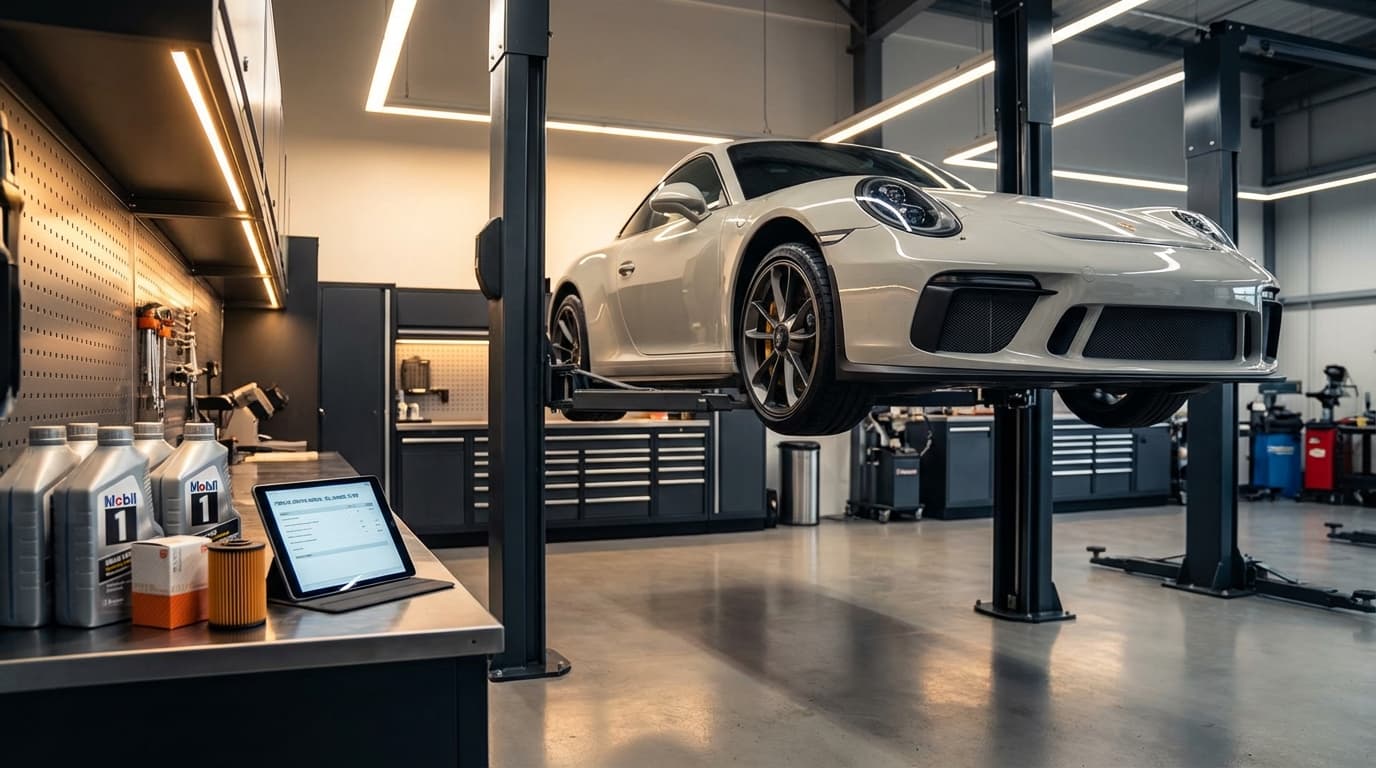
- Place the car on a lift and inspect for any oil, coolant, or fluid leaks
- Pay particular attention to valve cover gaskets, oil filter housing, and transmission seals
- Any active leak should be repaired before track use
Brakes — The Most Critical System
Brake preparation is the single most important aspect of track prep. At track speeds, brakes experience forces and temperatures far beyond street driving.
Brake fluid:
- Flush the entire system with DOT 4 racing-spec fluid (Motul RBF 600 or equivalent)
- Standard DOT 4 fluid boils at approximately 446°F dry — racing fluid boils at 594°F+
- Track driving can push caliper temperatures above 500°F, causing standard fluid to boil (brake fade)
- Flush before every track season minimum; many serious drivers flush before each event
Brake pads:
- Measure pad thickness at all four corners — minimum 50% life remaining for track use
- Ensure pads are track-appropriate compound. Street pads can glaze or fade within laps
- For dedicated track use, consider Pagid RSC or Ferodo DS2500 compounds
- If running PCCB (ceramic brakes), inspect rotors for cracking or delamination
- Carry a spare set of pads — they can wear faster than expected, especially at unfamiliar tracks
Brake rotors:
- Measure rotor thickness against minimum specification
- Check for cracks, deep scoring, or uneven wear patterns
- Heat-checked rotors (light surface cracking in a uniform pattern) are normal after hard use
- Deep or radial cracks require rotor replacement
Brake lines:
- Inspect all brake lines for chafing, especially where they route near the suspension
- Stainless steel braided lines provide better pedal feel and eliminate line expansion under heat
Suspension and Chassis
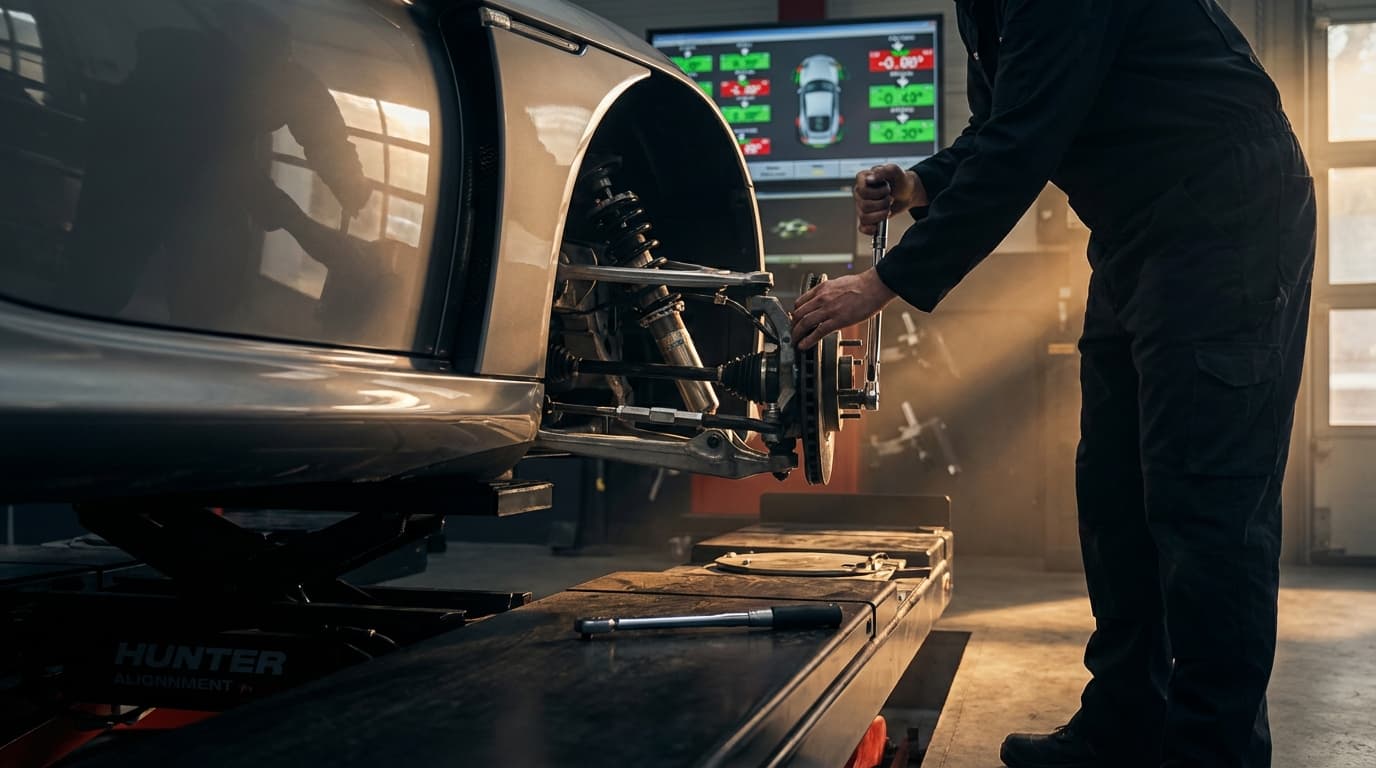
Alignment:
- Track alignment typically uses more negative camber than street settings
- Recommended track settings vary by generation but generally:
- Front: -2.0° to -2.5° camber, 0.0° to 0.1° toe-in per side
- Rear: -1.5° to -2.0° camber, 0.1° to 0.2° toe-in per side
- Record your street alignment settings so you can return to them after the event
Dampers:
- If equipped with PASM, verify the system is functioning properly
- Set PASM to sport mode for track use
- Check for leaking dampers — oil on the damper body indicates seal failure
Wheel bearings and ball joints:
- Jack each corner and check for play
- Any perceptible play requires inspection and likely replacement before track use
- Wheel bearing noise under load can indicate pending failure
Ride height:
- Verify ride height is within specification
- Uneven ride height suggests spring settling or damaged components
Tires
Selection:
- Street tires (Michelin Pilot Sport Cup 2 or equivalent) are acceptable for track days
- Dedicated track tires (Michelin Cup 2 R or slick compounds) offer significantly more grip but wear faster
- Never track on all-season tires
Condition:
- Minimum 4mm tread depth for track use (more is better for wet conditions)
- Inspect sidewalls for cuts, bulges, or impact damage
- Check tire age — tires older than 4 years should not be tracked regardless of tread
- Date code is on the sidewall (DOT format: last 4 digits = week and year of manufacture)
Pressure:
- Starting pressures depend on tire, track, and conditions
- General starting point: 32-34 PSI cold, adjusted based on measured hot pressures
- Check hot pressures after your first session and adjust to target 36-38 PSI hot
- Carry a quality tire pressure gauge and a portable inflator
Safety Equipment
Required for most HPDE events:
- SA2015 or SA2020 rated helmet (check your organizer's requirements)
- Fire extinguisher mounted securely in the cabin (2.5 lb Halon or equivalent)
- Tow hook installed and accessible (GT3s have a screw-in tow hook in the trunk)
- Long pants and closed-toe shoes (some events require a driving suit)
Recommended:
- HANS device or FHR (Frontal Head Restraint)
- Driving gloves (improved grip, prevent blisters)
- Window net (if running a roll cage)
- Cool suit for hot-weather events
Roll cage considerations:
- Not required for HPDE/track days, but recommended for more aggressive driving
- Must be properly designed and installed — a poorly designed cage is more dangerous than no cage
- Porsche offers a factory roll cage option for some GT3 variants
- Aftermarket cages should be built by experienced cage builders to Porsche-specific dimensions
Track-Side Essentials
What to Bring
- Jack and jack stands (for quick tire swaps or inspection)
- Full set of lug bolts and a torque wrench (103 Nm for GT3)
- Brake pad change kit (jack, tools, and spare pads)
- Coolant and oil for top-ups
- Blue painter's tape and markers (for numbering your car)
- Canopy/shade structure (for you and the car between sessions)
- Camera or GoPro (for reviewing your driving)
- Notebook for recording tire pressures, brake wear, and session notes
Between Sessions
- Check tire pressures and adjust (hot pressures tell the real story)
- Visual brake inspection through wheel spokes — look for pad thickness
- Check for new fluid leaks
- Allow brakes to cool — avoid parking with the brake pedal applied (causes pad imprint on hot rotors)
- Hydrate and review your session mentally or on video
Recommended Northeast Tracks
Lime Rock Park (Lakeville, CT)
- 1.53-mile circuit, 7 turns
- Closest track to Repasi Motorwerks
- Excellent for GT3s — fast, flowing, and rewards precision
- Noise restrictions apply — check before bringing modified exhausts
Watkins Glen International (Watkins Glen, NY)
- 3.4-mile full course
- One of America's most storied circuits
- High-speed sections test cooling systems and brakes
- Worth the drive from Connecticut for the experience
Palmer Motorsports Park (Palmer, MA)
- 2.3-mile circuit, 14 turns
- Modern facility with good runoff
- Excellent variation of corners for developing driving skill
- Reasonable driving distance from the greater Connecticut/New York area
Monticello Motor Club (Monticello, NY)
- 4.1-mile full course
- Private club with member and guest events
- Premium facility with excellent safety infrastructure
- Less crowded sessions than public tracks
Thompson Speedway Motorsports Park (Thompson, CT)
- 1.7-mile road course
- Close proximity for Connecticut owners
- Regular HPDE events throughout the season
After the Track Day
Immediate Post-Event
- Cool-down lap — drive the final lap at reduced pace to allow brakes and fluids to begin cooling
- Do not wash the car immediately — hot brake components can warp if hit with cold water
- Visual inspection — walk around the car looking for damage, fluid leaks, or new sounds
Within One Week
- Comprehensive inspection — bring the car to your specialist for post-track evaluation
- Brake measurement — document remaining pad and rotor life
- Fluid check — verify all fluid levels; high-temperature operation can accelerate consumption
- Re-align for street — if you changed alignment for the track, return to street settings
- Torque check — re-torque all wheel bolts
Related Resources
- GT3 Owner's Guide: Maintenance, Track Prep & Long-Term Care
- GT3 Service Guide: Maintenance & Costs
- How Much Does GT3 Ownership Really Cost?
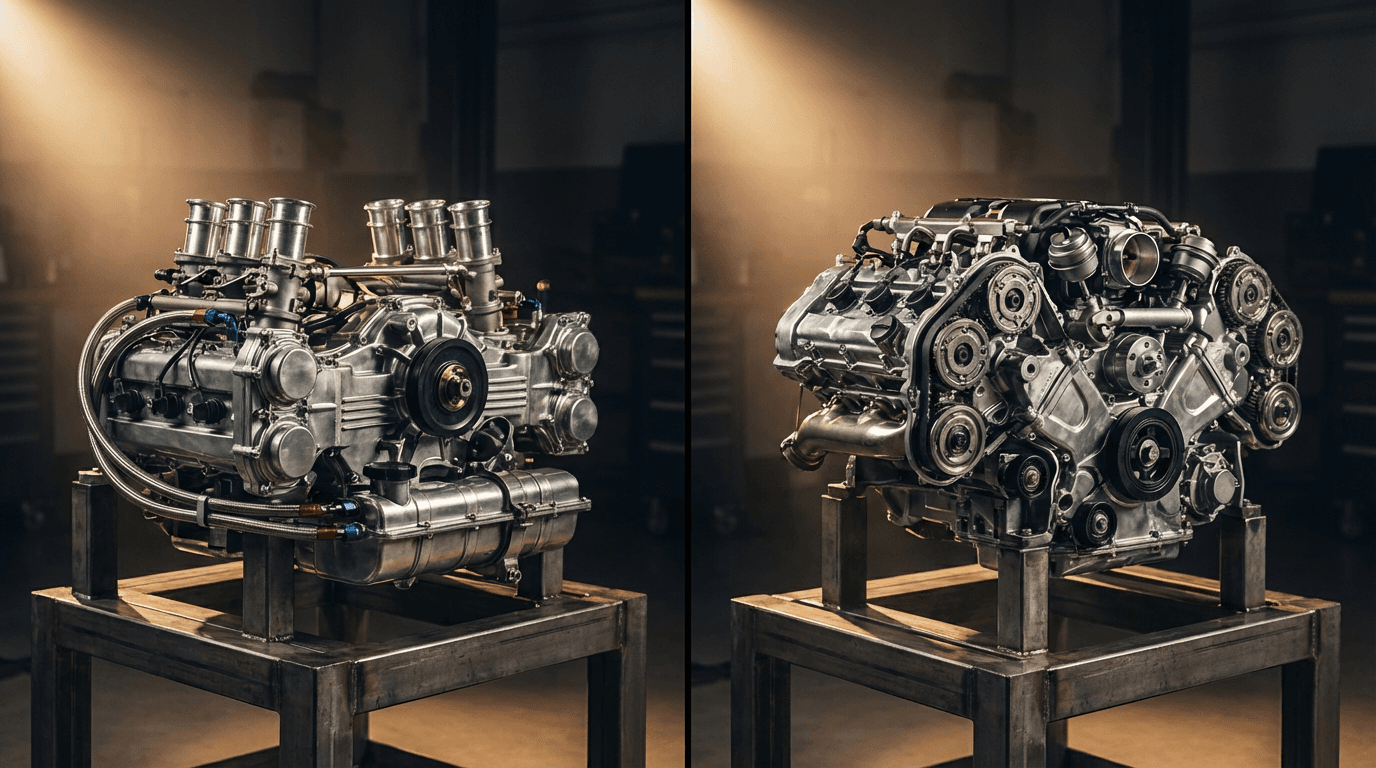
- GT3 Mezger vs 9A1 Engine Comparison
Pre-Track Prep at Repasi Motorwerks
We offer dedicated pre-track inspection and preparation services for GT3 owners heading to any Northeast circuit. From fluid flushes to alignment changes, we ensure your car is ready to perform safely and reliably.