Seven hundred horsepower through the rear wheels. That equation defines the GT2 RS and dictates everything about owning one. The most powerful 911 Porsche has ever built demands respect on the road—and in the service bay.
At Repasi Motorwerks, we've serviced enough GT2 RS examples to understand what keeps these cars reliable and what sends them to the shop unexpectedly. This guide shares hands-on experience, not theoretical concerns. These are the issues we actually see, and these are the prevention strategies that actually work. Our Ultimate GT3 Owner's Guide covers related track-focused maintenance strategies.
What Porsche Accomplished
Before discussing what can go wrong, it's worth appreciating what Porsche achieved. The 991 GT2 RS combines the GT3 RS's track focus with twin-turbocharged force-feeding, producing 700 horsepower and 553 lb-ft of torque from a 3.8-liter flat-six. It hit sixty miles per hour in 2.7 seconds and topped out at 211 miles per hour. At release, it held the production car Nürburgring record at 6:47.3.
This is an extreme car built for extreme use. The reliability considerations reflect that purpose.
The Turbocharger System: Power Comes With Requirements
The twin turbochargers that enable 700 horsepower also require the most attention during ownership.
Wastegate mechanisms cycle thousands of times during normal driving, controlling the boost pressure that determines how much power reaches the rear wheels. At high mileage, wear in these mechanisms can affect boost control precision. You might notice inconsistent power delivery—moments when the car doesn't quite respond as expected. Boost spikes or drops that feel random. Check engine lights related to boost control. These symptoms warrant investigation before they cascade into larger problems.
Turbocharger shaft bearings can develop play under extreme conditions. This is rare with proper maintenance but possible on high-mileage or heavily tracked cars. Listen for unusual whining from the engine bay that changes with engine speed but not road speed. Watch for increased oil consumption as seals wear. Notice any smoke on startup, particularly blue smoke that suggests oil passing through compromised seals.
The GT2 RS uses water-to-air intercooling with an innovative spray system for track use. Intercooler efficiency can diminish over time, reducing the cooling that keeps intake temperatures—and power—where they should be. Reduced power during sustained driving, higher intake temperatures visible on data loggers, and water spray system malfunction warnings all suggest intercooler issues.
Preventing turbocharger problems comes down to temperature management and proper lubrication. Allow the engine to reach operating temperature before demanding full boost—the turbocharger bearings need oil at proper viscosity to survive high speeds. After spirited driving, idle for thirty to sixty seconds before shutdown, letting the turbos slow down while oil is still circulating. Avoid immediately parking in enclosed spaces after hard driving—let the engine shed heat rather than soaking in it.
Use only Porsche-approved oils, and change more frequently than the standard interval if you're tracking the car. The turbocharger bearings depend on that oil. Annual inspection of the turbocharger system, including boost testing and intake system integrity, catches developing problems before they become expensive.
PDK Transmission: Handling 700 Horsepower
The GT2 RS uses Porsche's PDK dual-clutch transmission, specifically calibrated for the car's extreme power. This transmission can handle remarkable abuse—but it's not unlimited.
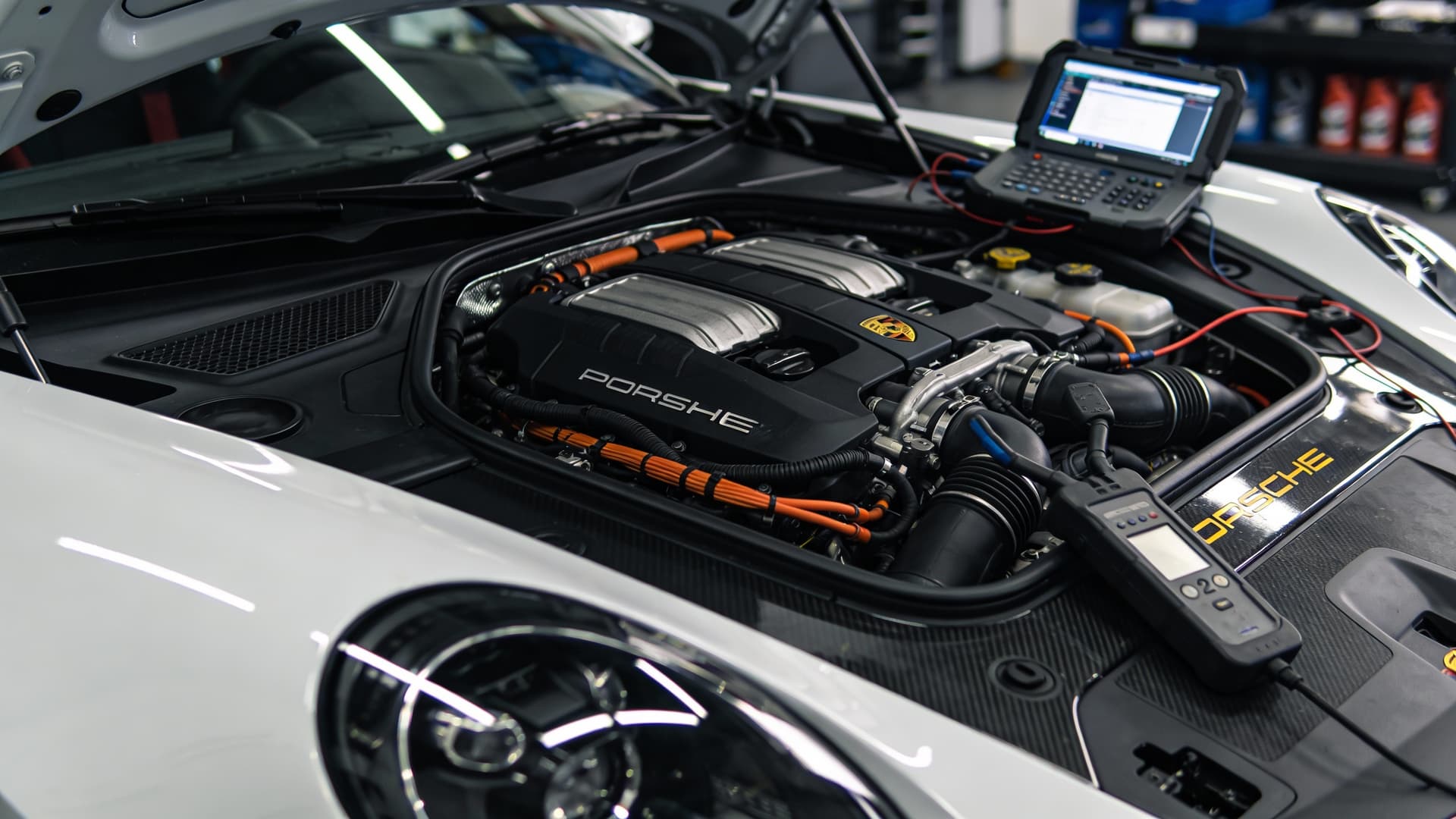
Clutch wear accelerates with track use, launch control, and aggressive driving. The PDK clutches tolerate significant punishment, but they do wear. Watch for slip during hard acceleration, delayed engagement, jerky low-speed behavior, or clutch wear warnings on PIWIS diagnostic systems. These symptoms indicate clutches approaching the end of their service life.
The mechatronic unit that controls PDK operations is generally reliable, but can develop issues on high-mileage cars. Gear selection errors, delayed shifts, warning messages, and transmission fault codes all warrant investigation. These problems don't typically appear suddenly—they develop over time, giving attentive owners warning.
Heat management matters because PDK generates significant heat during aggressive driving. The transmission fluid degrades under excessive temperature, and internal components stress from repeated heat cycling. Track-focused owners should consider more frequent fluid changes than street-only drivers.
Engine Reliability: The Flat-Six Foundation
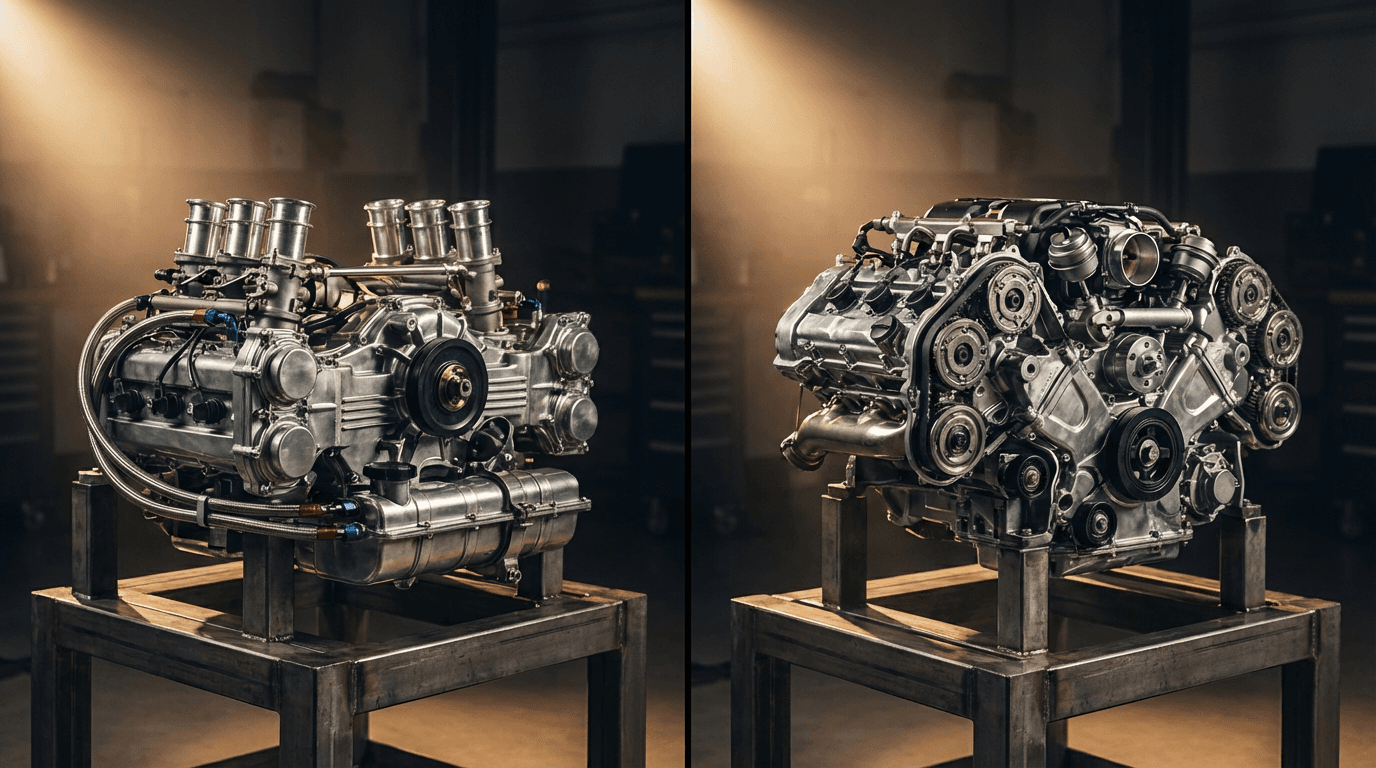
The 3.8-liter twin-turbocharged flat-six is fundamentally the same architecture that powers the GT3 RS, modified for forced induction. The core engine is robust. What changes with turbocharging are the stresses—higher cylinder pressures, higher temperatures, higher loads on bearings and connecting rods.
Proper maintenance makes the difference. Regular oil changes with correct specification oil. Timely spark plug replacement. Attention to cooling system condition. The turbochargers add complexity, but the engine itself rewards attention with reliability.
Cooling System: Under Greater Stress
The GT2 RS's cooling system works harder than on naturally aspirated Porsches. Turbochargers generate heat that must be dissipated. Intercoolers need cooling capacity. The engine runs hotter under boost.
Coolant hoses age faster under heat cycling. The expansion tank can develop stress cracks. Water pump bearings wear over time. The radiators handle more thermal stress. All cooling system components should be inspected annually, and age-related replacement shouldn't wait until failure.
Brake System: Stopping 700 Horsepower
PCCB (Porsche Ceramic Composite Brakes) are standard on the GT2 RS, and they work extraordinarily hard. The power and speed this car achieves creates braking demands that challenge even carbon ceramic systems.
Brake fluid requires more frequent attention on the GT2 RS than on less extreme cars. The heat generated during aggressive braking—especially track use—degrades brake fluid faster. Fluid should be fresh before each track season, and owners who use their cars hard on the street should consider annual changes regardless of the factory interval.
Pad wear accelerates under the forces involved. Monitor pad thickness rather than assuming they'll last a certain mileage. Track use can consume pads surprisingly quickly.
What We See and What We Recommend
The GT2 RS that come through our shop in excellent condition share common patterns. Their owners take warm-up and cool-down seriously. They change fluids more frequently than minimum intervals. They address small concerns before they become large problems. They have their cars inspected annually by technicians who understand what to look for.
The GT2 RS that arrive with problems often have gaps in their service history. Deferred maintenance. Use patterns that outpaced the care provided. Assumptions that a Porsche can tolerate neglect because the brand has a reputation for reliability.
The GT2 RS is reliable—for a 700-horsepower rear-wheel-drive supercar. But that's a conditional statement. It's reliable when maintained properly, when driven with awareness of its nature, when cared for by people who understand what it needs.
Prevention beats repair on every measure: cost, inconvenience, and peace of mind. Annual inspections, timely fluid changes, attention to developing symptoms, and respect for the engineering that makes 700 horsepower possible—these keep GT2 RS ownership rewarding rather than stressful.
Questions about your GT2 RS? Contact Repasi Motorwerks in Stratford, Connecticut. We provide the specialized service these extreme machines require—preventive care that keeps problems from developing and expert diagnosis when they do.