Finding a Porsche Carrera GT requires patience, knowledge, and careful execution. With only 1,270 built worldwide and values now exceeding one and a half million dollars for quality examples, this isn't a purchase to rush—and it's certainly not one to approach without expert guidance.
At Repasi Motorwerks, we've helped clients navigate Carrera GT purchases for over a decade. We've inspected dozens of these cars, witnessed both the finest examples and the most troubled ones, and learned precisely what separates a sound investment from a costly mistake. The insights in this guide come directly from that experience. Start with our Carrera GT resource center for a comprehensive look at CGT ownership.
Understanding What You're Entering
Before you start searching, you need to understand the market you're about to enter. The Carrera GT market has matured significantly since these cars left production in 2006, and it operates differently than any other collector car segment.
Of the 1,270 Carrera GTs built, approximately 650 came to the United States. Some have been wrecked. Some have been exported to overseas collectors. Some sit in private collections, rarely seen and never offered for sale. At any given moment, the active global inventory might consist of twenty to thirty cars. That's the entire available pool.
The buyers in this market are exceptionally well-informed. The days of stumbling upon an unknown Carrera GT at an estate sale or finding a "barn find" are long gone. Everyone who owns one knows exactly what they have, and they price accordingly. When you see what appears to be a deal, it usually indicates a problem you haven't discovered yet.
Documentation has become perhaps the most critical value determinant in this market. Cars with complete, dealer-stamped service records command significant premiums over cars with unknown or incomplete histories. We've seen two otherwise identical cars trade for a quarter million dollars apart based purely on documentation quality.
The condition spectrum among available cars is wider than most buyers expect. You'll find museum-quality single-owner examples with delivery mileage, and you'll find higher-mileage drivers with character and stories. Neither is inherently better or worse—but understanding exactly where a particular car fits on this spectrum is essential to determining fair value.
Where Carrera GTs Change Hands
The Major Auction Houses
RM Sotheby's remains the premier venue for exceptional Carrera GT examples. Their flagship events—Monterey in August, Amelia Island in March, and Arizona in January—regularly feature the finest examples to come to market. If you're pursuing a two-million-dollar-plus example with impeccable provenance, this is likely where you'll find it. The quality is exceptional, provenance verification is thorough, and detailed condition reports are available to registered bidders. You'll pay a buyer's premium of twelve to fifteen percent for the privilege, and pre-sale estimates provide reasonable guidance for bidding strategy.
Gooding & Company operates at a similar quality level, particularly at their Pebble Beach and Amelia Island events. Their consignment standards are high, their cataloging is detailed, and their collector-focused audience means competitive bidding on the right examples.
Bonhams brings international reach and a somewhat wider quality range. You'll find exceptional cars alongside more accessible examples, which can work in your favor if you know exactly what you're looking at. Their international presence also means occasional access to European-delivery cars with interesting histories.
Online Platforms
Bring a Trailer has emerged as a significant Carrera GT marketplace, and for good reason. The transparent bidding history lets you track market movements in real time. The active comment section provides valuable crowd-sourced research—enthusiasts regularly contribute historical information, identify discrepancies, and share relevant market comparables. Fees are lower than the major auction houses, and the extended marketing exposure gives quality cars time to find the right buyer.
That said, BaT requires discernment. Seller quality varies considerably. Remote purchasing carries inherent risks. Independent verification remains essential regardless of how thorough the listing appears. And reserve prices sometimes frustrate bidders who've invested considerable time and research into a car they never had a real chance to buy.
Similar platforms—Cars & Bids, Collecting Cars, and others—offer varying fee structures and audience sizes. They're worth monitoring as part of a comprehensive search, though BaT has established the largest Carrera GT transaction history.
Specialty Dealers
High-end dealers like Mecum Gallery, European Collectibles, and similar operations offer pre-inspected inventory with transaction support. They've typically completed some level of pre-purchase evaluation, may offer short-term warranties, and have verified documentation. The trade-off is pricing—you're paying retail markup for reduced transaction risk and added convenience.
Even with dealer inventory, we recommend independent verification. The dealer's inspection serves their purposes. Your inspection serves yours. They're not the same thing.
Private Sales
Private sales offer the obvious advantage of no buyer's premium—a savings that can exceed one hundred thousand dollars on a high-value transaction. You get direct negotiation with someone who knows the car intimately. Terms can be flexible. And sometimes the relationship you build with a seller leads to future opportunities.
The challenges are equally real. Finding private-sale opportunities requires an established network within the Porsche community. The due diligence burden falls entirely on you. Transaction mechanics—escrow, title transfer, transport—require careful attention. Private sales work best for buyers who have relationships and experience in this space.
What These Cars Actually Cost in 2025
Carrera GT pricing has stratified clearly by condition and mileage, and understanding these bands helps you identify whether a particular car is fairly priced, overpriced, or suspiciously underpriced.
At the top of the market, museum-quality examples with delivery mileage—under a thousand miles—and perfect documented history command two point eight to three point five million dollars or more. These are collector pieces rather than cars to drive, and they trade infrequently among a small group of buyers willing to pay for perfection.
One step down, exceptional examples with one thousand to three thousand miles and complete history typically trade between two point three and two point eight million. These are the cars that have been driven enough to stay healthy but carefully enough to remain extraordinary.
Excellent examples—three thousand to seven thousand miles, well documented, properly maintained—range from one point nine to two point three million. This is often the sweet spot for buyers who want to drive their cars while maintaining strong value retention.
Very good examples with seven thousand to twelve thousand miles and known history trade between one point six and one point nine million. These cars have been enjoyed but remain well above average.
Good examples with twelve thousand to eighteen thousand miles typically sell for one point three five to one point six million. These are solid, usable cars that may show some age-appropriate wear.
Driver-quality cars—eighteen thousand miles and above—range from one point one five to one point three five million. These are the most accessible entry points, cars meant to be driven rather than stored.
Several factors move cars within these ranges. Color matters—desirable shades like GT Silver, Guards Red, and Black command premiums, while unusual colors cut both ways depending on buyer preferences. Complete dealer-stamped service records justify premium pricing within any band. Any accident history reduces value, with major structural damage potentially cutting values by thirty to fifty percent even with quality repairs. Clutch status matters significantly given replacement costs of sixteen to twenty-seven thousand dollars. And original accessories—luggage sets, fitted covers, the desirable carbon-backed racing seats—add value at the margins.
The Pre-Purchase Inspection Is Non-Negotiable
Never purchase a Carrera GT without a comprehensive independent inspection by a specialist who knows these cars intimately. The investment—typically one thousand to two thousand dollars—is trivial compared to your purchase price and infinitesimal compared to potential discovery costs.
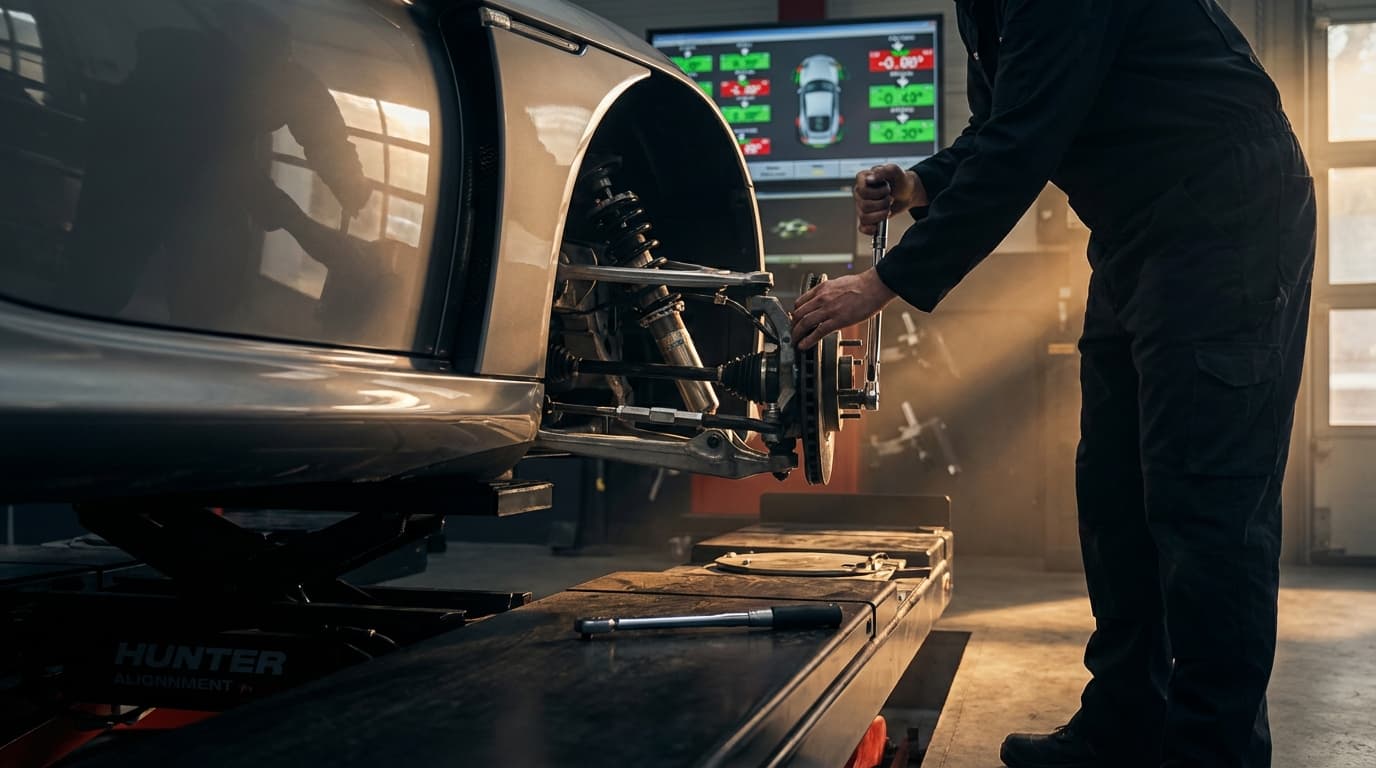
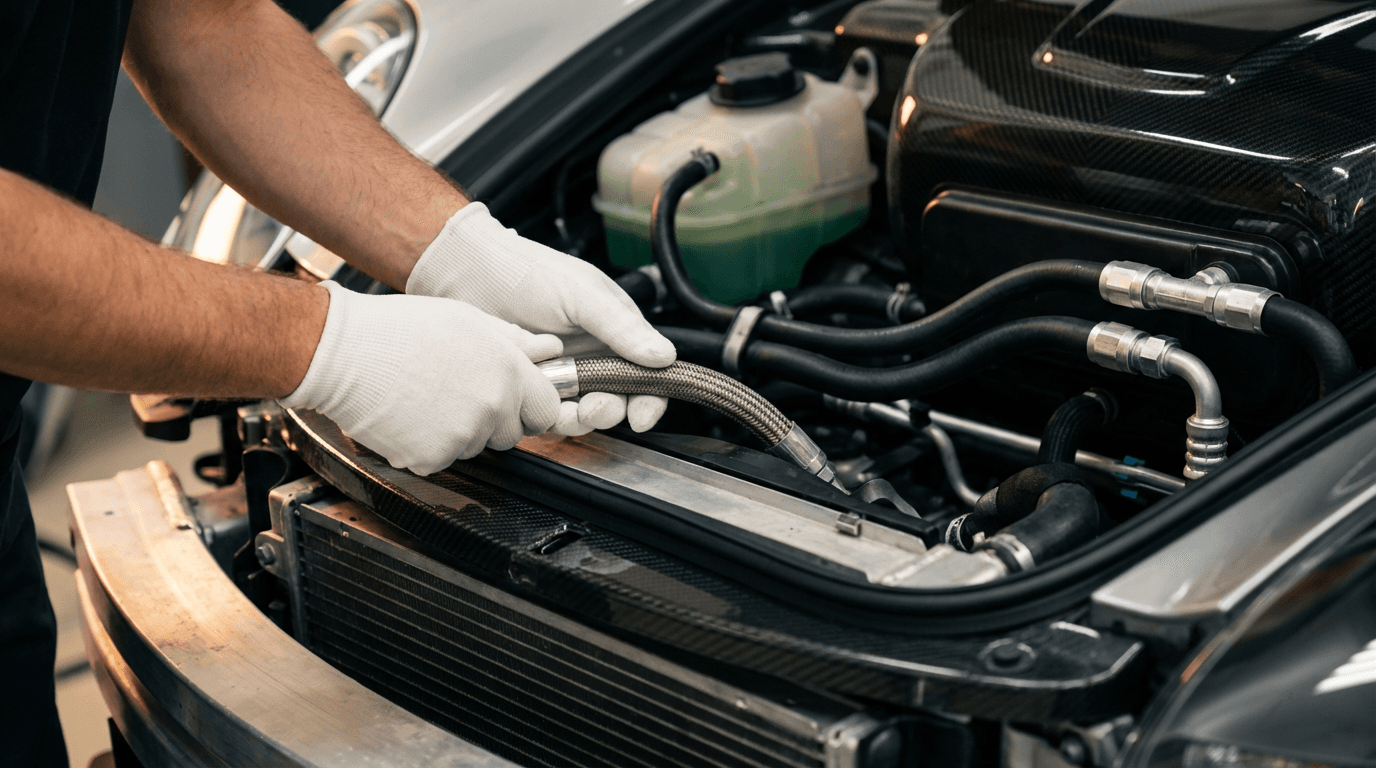
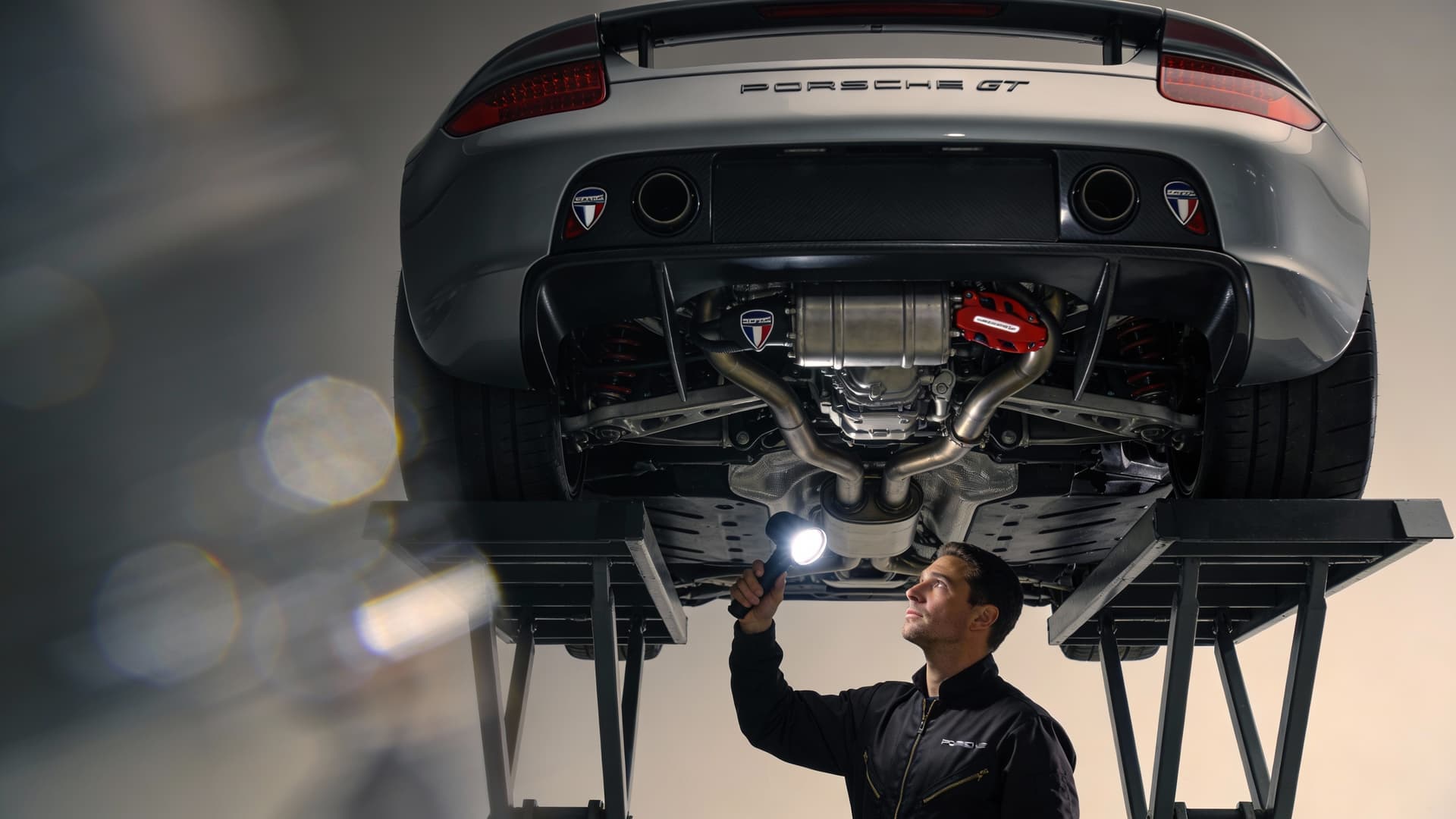
A proper PPI includes complete visual inspection covering paint measurement and analysis, body panel alignment, underbody examination, interior condition, and every fluid and component. Mechanical evaluation should assess clutch condition and remaining life, engine compression and leak-down values, suspension geometry and components, brake system condition, and cooling system integrity.
Diagnostic scanning requires PIWIS factory equipment to check fault code history, verify system functionality, and confirm odometer integrity. Documentation review should cover service history analysis, title history verification, recall compliance confirmation, and previous owner research.
Finally, a thorough road test covers all driving modes, clutch engagement characteristics, engine performance, transmission operation, brake function, and identification of any unusual sounds or behaviors. The resulting report should include detailed written findings with extensive photographs documenting everything discovered.
Schedule the PPI before finalizing any purchase agreement. Sellers confident in their car accommodate this request without hesitation. Those who resist are telling you something important.
Red Flags That Should End Negotiations
Certain PPI findings should stop negotiations immediately. Hidden accident damage, especially structural, indicates concealment and unpredictable future problems. Unknown clutch history combined with symptoms suggesting wear means you're buying an expensive known unknown. Missing service documentation on a high-mileage car raises questions about what else is missing. Seller resistance to inspection is itself a finding—and a damning one. VIN or title discrepancies of any kind are disqualifying. And when a seller refuses to adjust pricing to reflect legitimate findings, that tells you everything about the transaction you're entering.
What Happens After You Buy
Immediate Priorities
Before your Carrera GT arrives, several critical arrangements need completion. Insurance coverage must be agreed-value policy from a specialty collector insurer—standard coverage is completely inadequate for these values. Identify and establish contact with a qualified Carrera GT service provider before you need one. Climate-controlled storage is essential, not optional. Arrange this before the car arrives.
Even after a thorough PPI, we recommend a baseline inspection at your chosen service facility. This establishes your service relationship, documents current condition with your technician's eyes rather than a stranger's, and creates a reference point for future work.
The Ongoing Cost Reality
Carrera GT ownership carries significant ongoing costs that buyers should understand before committing. Annual insurance typically runs fifteen thousand to thirty-five thousand dollars depending on coverage limits and your driving history. Proper climate-controlled storage costs three thousand to twelve thousand annually depending on your market and facility quality. Routine maintenance—oil changes, inspections, fluid services—runs three thousand to eight thousand yearly.
Budget at least five thousand dollars annually for unexpected repairs, because something always needs attention on a car this complex. Tires require replacement every two to three years at roughly three thousand to four thousand dollars per set. And major service items—clutch replacement, timing belt service—add fifteen thousand to thirty thousand when they come due.
These aren't warning costs meant to dissuade ownership. They're reality costs that informed buyers build into their planning.
Our Role in Your Purchase
At Repasi Motorwerks, we provide comprehensive Carrera GT pre-purchase inspections backed by more hands-on experience with these cars than nearly any independent facility in North America. Our two-hundred-plus point inspection covers everything described above and more. PIWIS diagnostic analysis, detailed photographic documentation, thorough written findings, service history analysis, and honest valuation perspective are all standard.
We can inspect cars anywhere in the Northeast, and we've evaluated cars that clients have shipped to our Stratford, Connecticut facility from across the country. Our findings have saved clients from costly mistakes and helped others negotiate fair prices on quality examples.
When you're ready to pursue a Carrera GT purchase, we're here to help you do it right.
Ready to find the right Carrera GT? Contact Repasi Motorwerks in Stratford, Connecticut. Our Gold Meister certified technicians have inspected more Carrera GTs than nearly any independent shop in the country. Let our experience protect your investment.
Schedule a Pre-Purchase Inspection