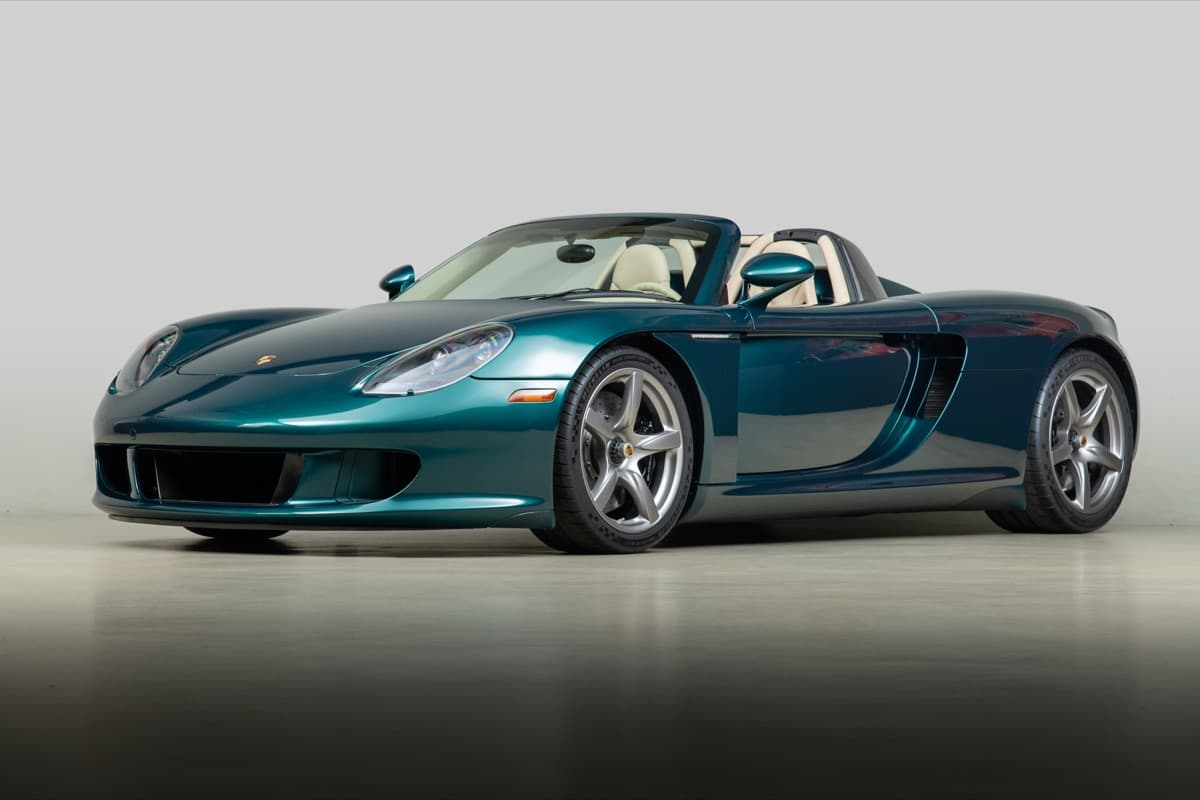
The Carrera GT's reputation precedes it. Internet forums overflow with warnings about the clutch, dire predictions about maintenance costs, and stories of cars that somehow never ran right. Scrolling through these threads, you'd think the Carrera GT was an unreliable machine best avoided.
That reputation doesn't match what I see in my shop. Visit our Carrera GT resource center for complete ownership and service guidance.
Having worked on dozens of Carrera GTs over the years, I can tell you the V10 supercar is fundamentally robust when properly maintained. Yes, it demands more attention than a Camry. Yes, certain components require specific knowledge. But the car isn't fragile, and the horror stories usually trace back to neglect, improper service, or simply buying a car without understanding what it needs.
Let me walk you through what we actually encounter—the issues worth knowing about, the ones that don't deserve their reputations, and how to approach each.
The Clutch: A Reputation That Needs Context
No Carrera GT conversation goes far without someone mentioning the clutch. It's become legendary, often for the wrong reasons. Let me provide context that usually gets lost.
The ceramic composite clutch is unusual, but it's not inherently problematic. It requires specific driving technique, particularly during engagement from a stop. This is where owners succeed or fail with Carrera GT clutch life.
What actually happens: the clutch operates differently than conventional units. It tolerates no slipping. Engagement must be smooth and decisive. Riders who feather the pedal or try to slip the clutch in traffic will destroy it quickly. Drivers who learn proper technique—quick, smooth engagement with appropriate throttle—find the clutch entirely predictable.
I've seen clutches fail at two thousand miles in hands that never learned proper technique. I've also seen original clutches exceed twenty thousand miles with owners who understood what the car needed. That variance tells you more about driving technique than component durability.
When the clutch does need replacement, expect ten to twenty thousand dollars including labor. It's expensive, but it's also a known quantity. The cost shouldn't scare away qualified buyers—but qualified buyers should learn proper technique before taking delivery, not after.
The clutch shouldn't make you afraid of the Carrera GT. It should make you respectful of it.
Cooling System: The Hidden Priority
The Carrera GT's cooling system works constantly to manage heat from a V10 mounted right behind the cabin. This system doesn't get the attention it deserves from owners, which creates problems that proper maintenance would prevent.
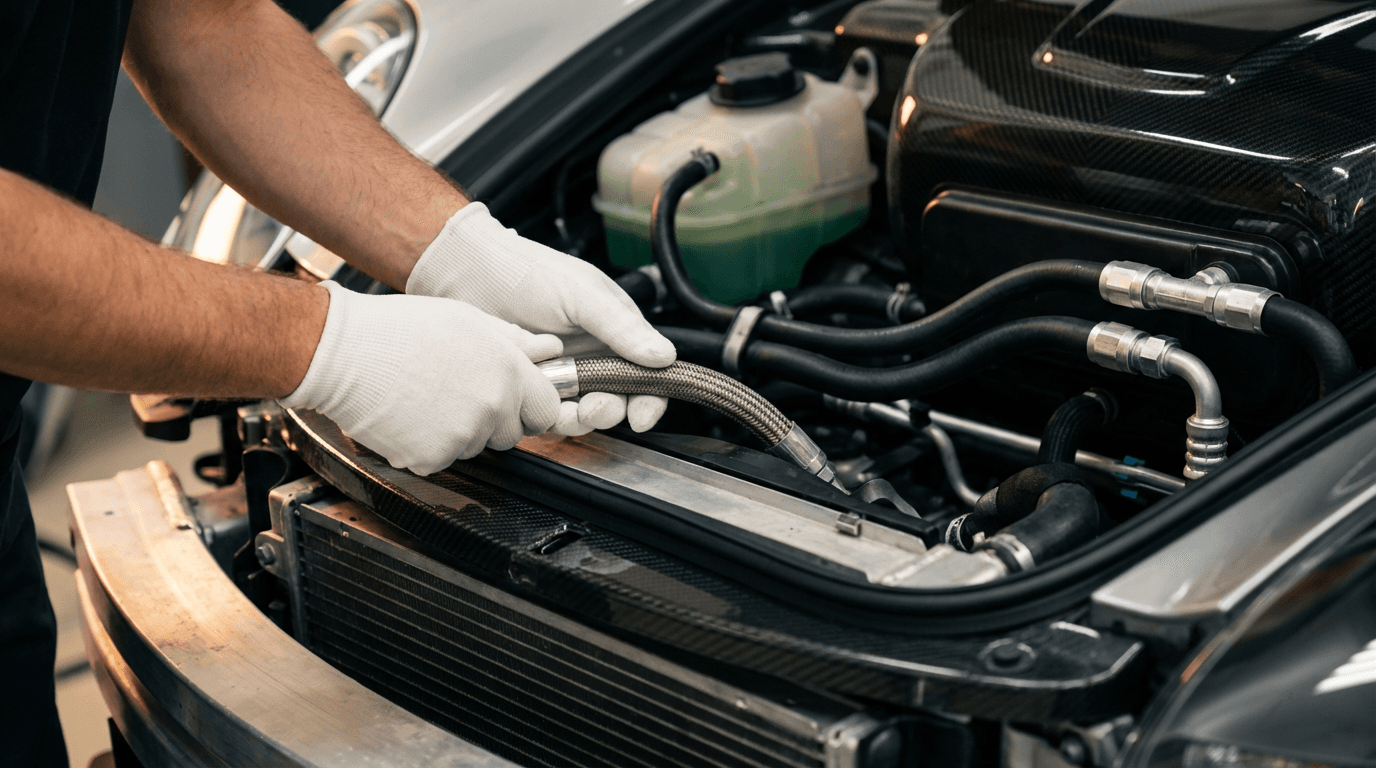
Coolant hoses deteriorate with age. I recommend inspection at every annual service and replacement every ten years regardless of appearance. The expansion tank can develop cracks as plastic ages—another item to check annually. Thermostat housing seals can seep after years of heat cycling. Water pump bearings wear over time.
None of these are exotic problems. They're exactly what happens to any car's cooling system over two decades. The difference is that Carrera GT cooling system failure has more severe consequences than it would in a commuter car. The engine runs hot by design; cooling system integrity is non-negotiable.
Our approach: comprehensive cooling system inspection at every annual service, with preventive replacement of age-sensitive components before they fail. The cost of preventive maintenance is a fraction of what happens when cooling systems fail catastrophically.
Cam Followers: A Solved Problem
Early production Carrera GTs experienced cam follower wear issues that generated significant attention. Porsche addressed the problem with updated components, and at this point, most cars have either received the update from Porsche or during subsequent service.
If you're evaluating a Carrera GT for purchase, verify cam follower status. Cars with updated followers are not at elevated risk. Cars with original early-specification followers should have them inspected and updated if necessary.
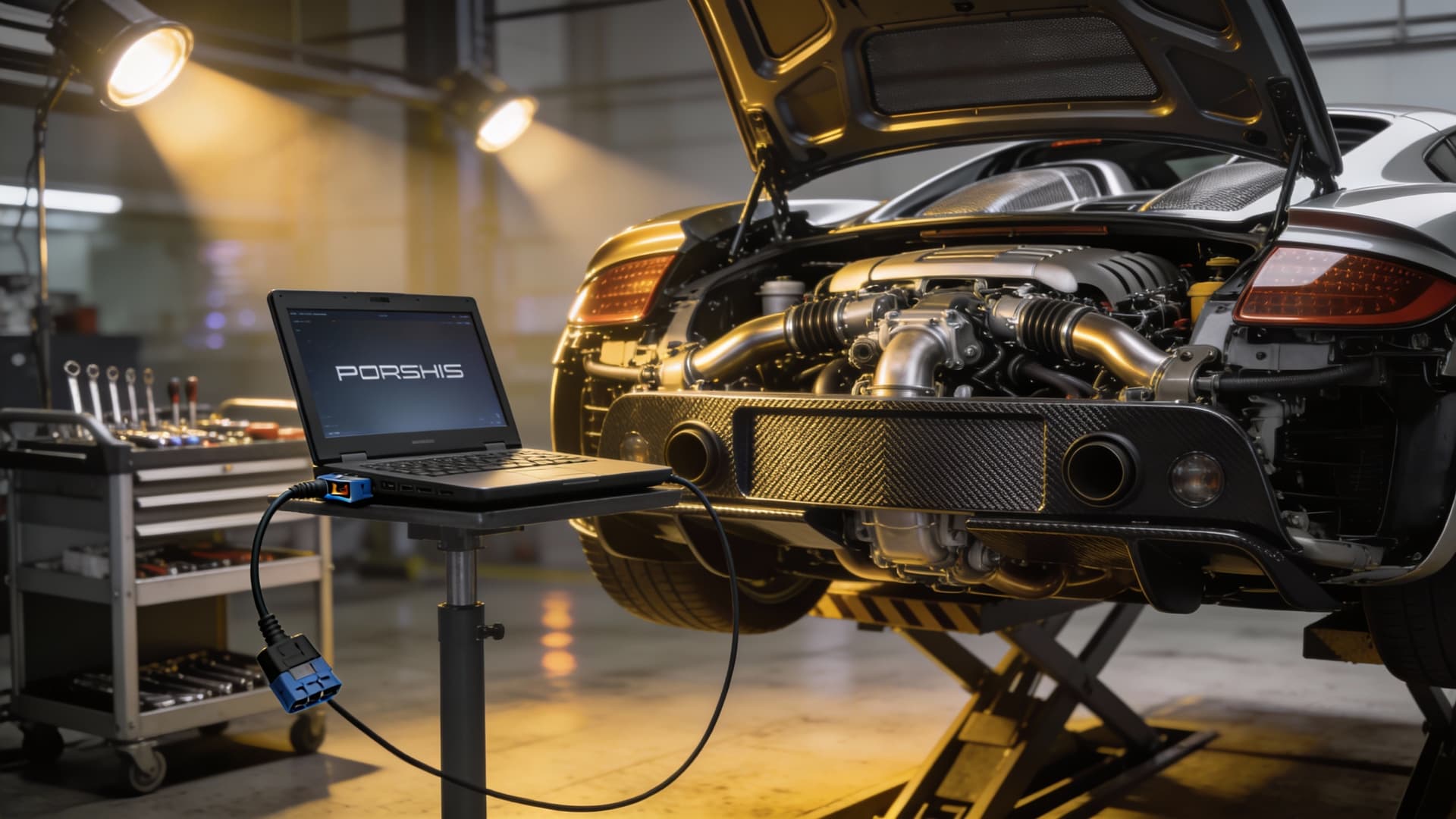
We can assess cam follower condition using borescope inspection without major disassembly. This is part of our comprehensive inspection protocol and should be included in any pre-purchase evaluation of a car with unknown follower history.
The cam follower issue was real twenty years ago. For well-maintained cars today, it's resolved.
Electrical System: Twenty Years Takes a Toll
Electronic components don't last forever, and twenty-year-old electronics face age-related challenges regardless of how well the car was built. This is simply physics and chemistry working against stored capacitors and aging circuits.
Window regulators fail—motor problems and cable stretch are typical. The instrument cluster's LCD can degrade over time, though specialist repair is available. Keyless entry systems may develop antenna or module failures. The convertible top system can experience hydraulic leaks or sensor issues.
None of these failures are dramatic or surprising. They're the same things that happen to any twenty-year-old car with complex electrical systems. The good news: most electrical issues are repairable. Few require complete component replacement, and the repair community has developed solutions for common problems.
When we encounter electrical issues, the approach is diagnosis followed by targeted repair. Panic isn't warranted—these are known problems with known solutions.
Suspension: Built to Last, Still Needs Attention
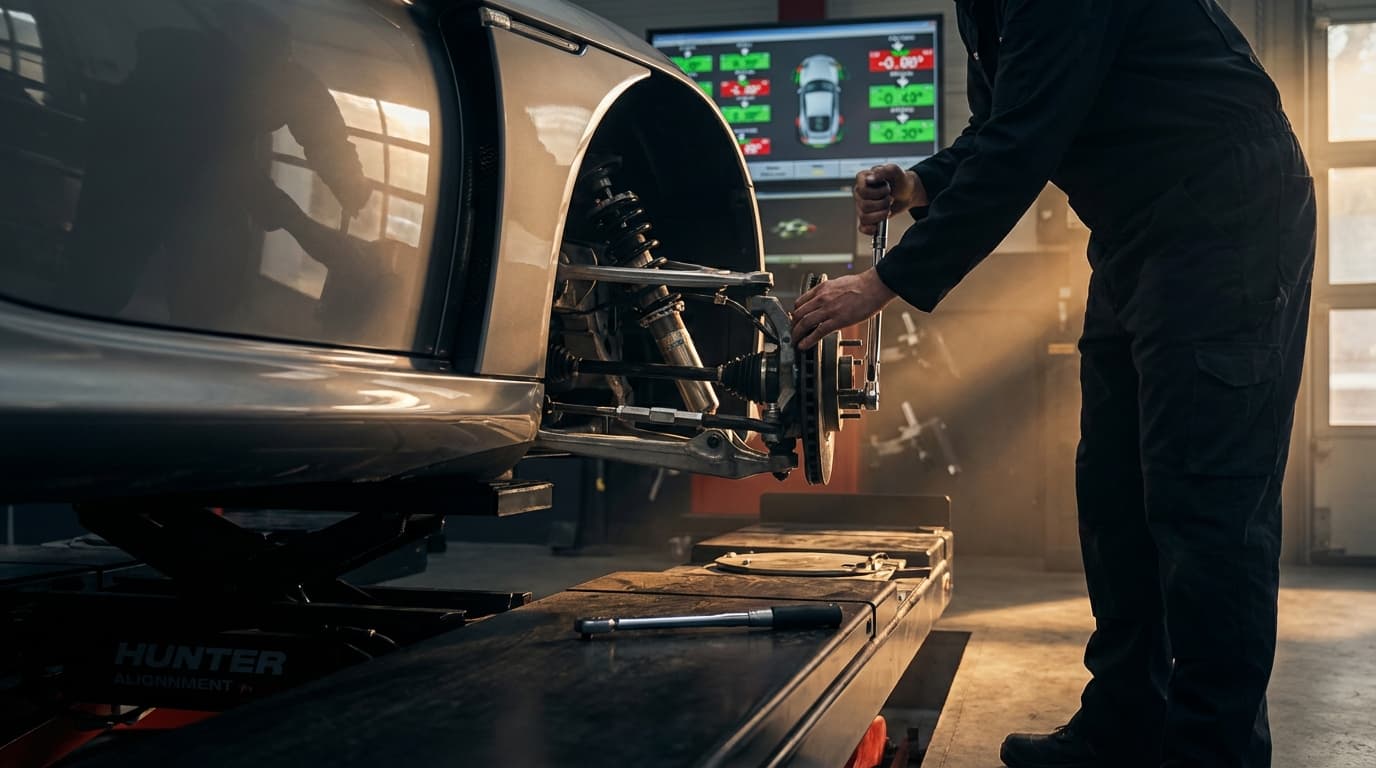
The pushrod suspension system is sophisticated and long-lasting, but components wear over time. Ball joints should be inspected annually and replaced as needed. Bushings typically last five to ten years depending on use. Shock absorbers may need rebuilding after fifteen or more years. Alignment should be checked annually and adjusted as necessary.
The good news about Carrera GT suspension: most components are serviceable rather than requiring complete replacement. Rebuilds and individual part replacement keep costs manageable compared to systems that demand full-assembly swaps.
Owners who drive their cars notice suspension wear before it becomes problematic. Owners who store their cars extensively may find wear that accumulated invisibly. Either way, inspection and maintenance keep the handling the Carrera GT is famous for intact.
Exhaust System: Heat Takes Its Toll
The top-exit exhaust endures extreme heat cycling every time you drive the car. Over years, this stress accumulates.
Heat shields can loosen or deteriorate. Manifold cracks sometimes develop at welds. Catalytic converters lose efficiency with age, triggering codes or affecting emissions testing. Tips and hardware corrode, particularly on cars stored in humid climates or driven in winter conditions.
The pattern with exhaust issues is gradual progression rather than sudden failure. You'll typically see developing problems during routine inspection, allowing planned repair rather than emergency intervention. This is why annual service matters—catching exhaust issues early prevents expensive cascading failures.
Oil System: Reliable With Attention
The dry sump oiling system is fundamentally reliable, but it's not maintenance-free. Oil cooler lines can develop seepage over time. Tank mounting can loosen with vibration. Scavenge pump function should be verified at services. Oil consumption within specification is normal—typically about a quart every three thousand miles or more, though this varies with driving style.
When we service Carrera GT oil systems, we check all lines, fittings, and components. Catching a small seep early prevents the oil starvation that destroys engines. There's no mystery here—just careful inspection and maintenance.
Brakes: The PCCB Reality
Every Carrera GT left the factory with Porsche Ceramic Composite Brakes. These systems have aged, and understanding that aging process matters for current owners and prospective buyers.
For the first decade of life, PCCBs with normal use typically show excellent condition. Between ten and fifteen years, surface cracking may appear. After fifteen to twenty years, rotors may need evaluation for replacement.
Here's the critical nuance: surface cracks don't always indicate failure. Some surface cracking is cosmetic and doesn't affect performance or safety. Other cracking indicates structural issues that warrant replacement. Professional evaluation distinguishes between them.
Replacement is expensive—fifteen to twenty-five thousand dollars per axle with factory rotors. This makes rotor condition significant for purchase negotiations. A car needing imminent brake replacement should be priced accordingly.
What Prospective Buyers Should Prioritize
When evaluating a Carrera GT for purchase, focus investigation in order of importance.
First, verify clutch measurements and history. Current wear values and documentation of driving style matter more than mileage alone. Second, examine cooling system condition. Any age-related deterioration should be addressed before it becomes critical. Third, confirm cam follower status—updated components or documented condition. Fourth, review service documentation. Complete records indicate attentive ownership. Fifth, investigate any accident history. The Carrera GT's carbon fiber structure complicates repairs, and previous damage affects value and potentially safety.
Beyond these priorities, investigate brake system condition, suspension component wear, electrical function, and exhaust condition. None of these are deal-breakers if issues exist, but they should factor into price negotiation.
The Maintenance Philosophy That Works
The Carrera GT rewards proactive maintenance and punishes neglect. This isn't unusual for exotic cars, but it's worth stating clearly.
Annual service regardless of mileage keeps components in known condition. Small issues addressed early remain manageable; the same issues ignored become expensive. Specialists with genuine Carrera GT experience catch developing problems that generalists miss. Documentation of everything protects resale value and your investment.
The owners I see with trouble-free Carrera GTs share common habits: they maintain their cars consistently, they address issues promptly, and they work with technicians who understand these cars. The owners I see with problematic cars often deferred maintenance, used inexperienced shops, or bought without proper inspection.
The car itself isn't the variable. How you maintain it determines your experience.
Questions about your Carrera GT? Contact Repasi Motorwerks in Stratford, Connecticut. We provide the specialized service these V10 supercars require—and honest assessment of what your car needs.