The Porsche Carrera GT represents the pinnacle of analog supercar engineering. With only 1,270 examples produced between 2004 and 2006, finding qualified service can feel impossible. Many shops claim Carrera GT expertise, but what actually separates a true CGT specialist from a general Porsche shop?
The Complexity of Carrera GT Service
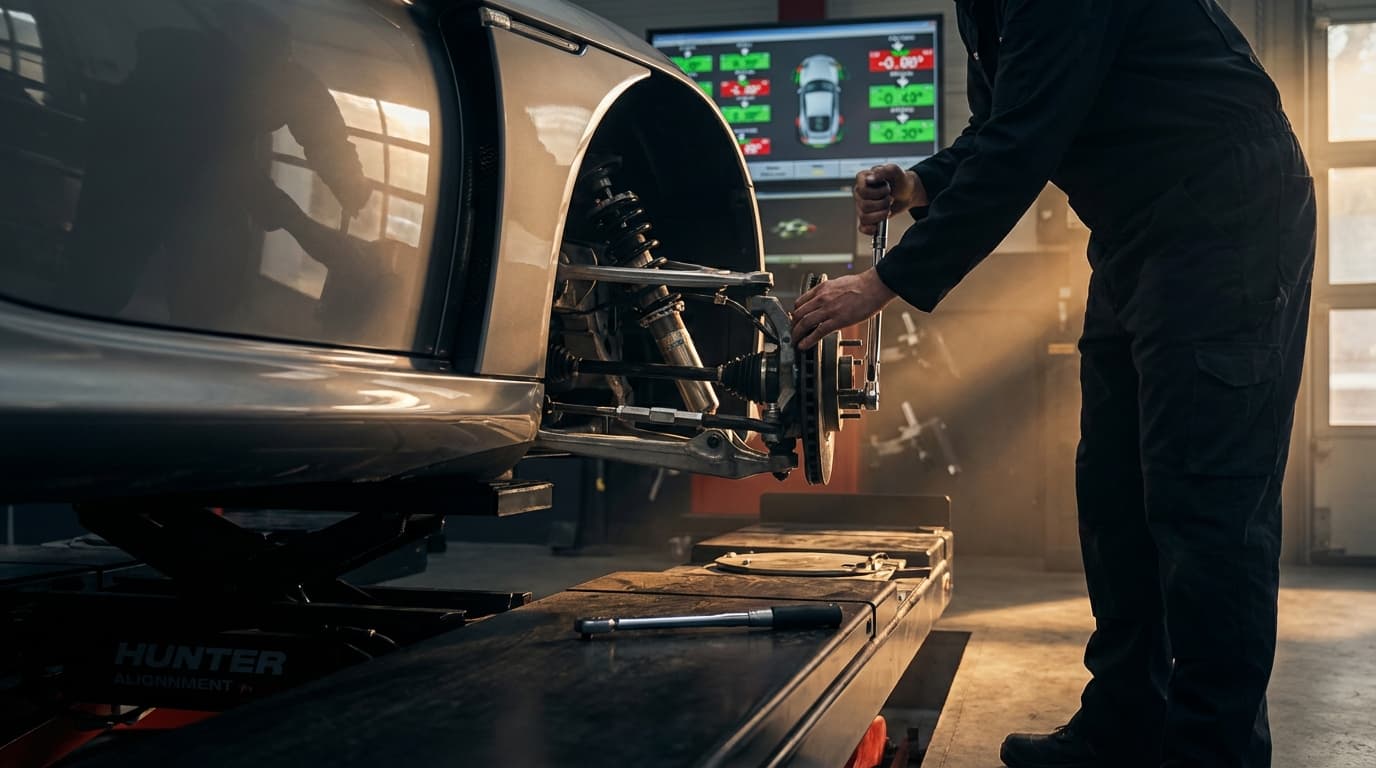
See our [Carrera GT resource center](/carrera-gt/) for the full scope of our CGT expertise.The Carrera GT was never designed for dealer service. Its 5.7-liter V10 engine, derived from Porsche's aborted Le Mans prototype program, requires specialized knowledge that most technicians never encounter. The carbon fiber monocoque, ceramic clutch, and unique suspension geometry all demand specific expertise.
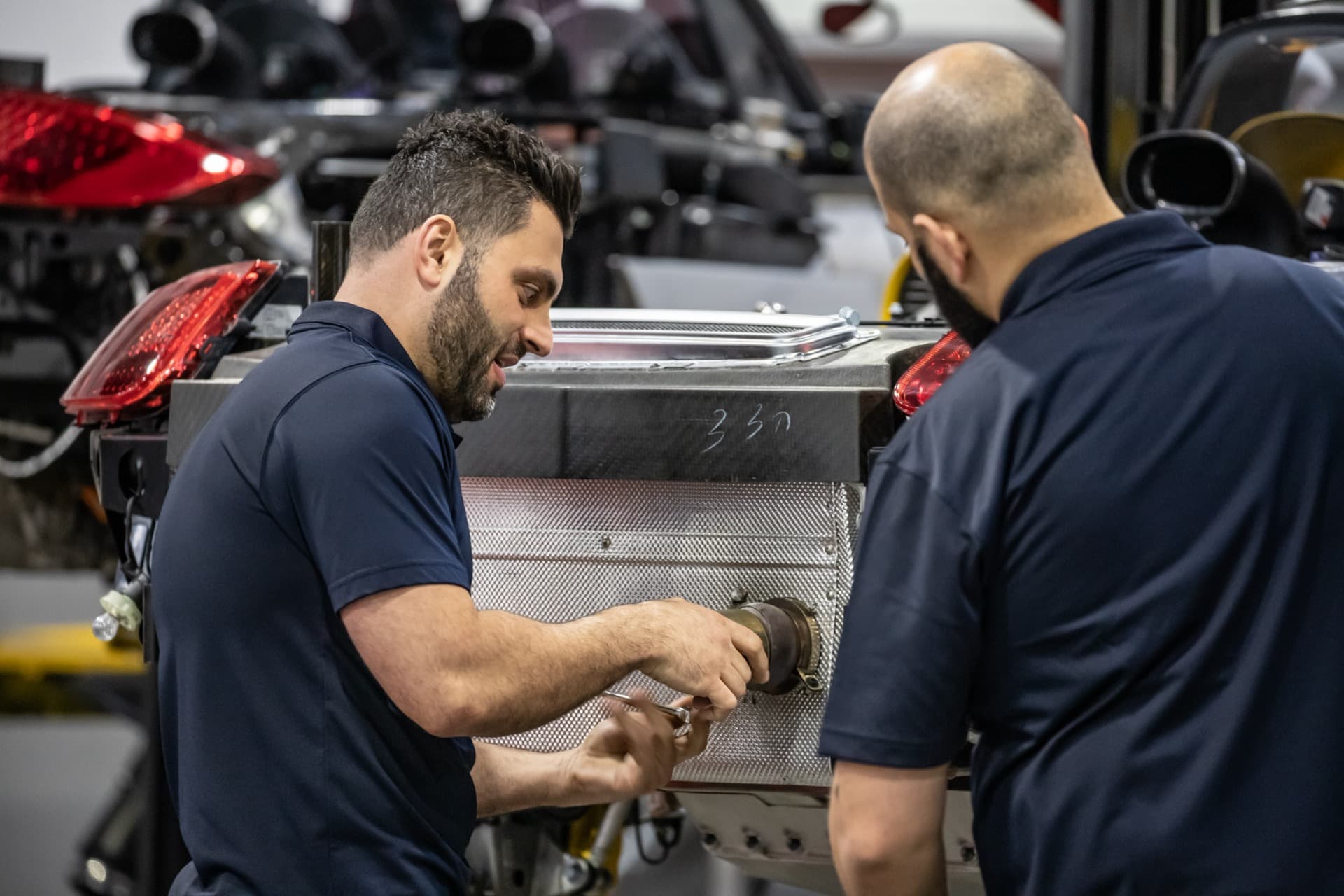
Consider the engine-out service: unlike most Porsches where the drivetrain can be serviced in place, the CGT's mid-mounted V10 requires complete removal for major work. This isn't a procedure you want performed by someone learning on your $1.5+ million investment.
What Defines a True CGT Specialist?
Genuine Carrera GT expertise isn't about marketing—it's about documented experience:
- Volume of CGT work: Has the shop serviced dozens of Carrera GTs, or just one or two?
- Dedicated tooling: The CGT requires specialized tools and fixtures that general shops don't own
- Parts relationships: Access to OEM and quality aftermarket components, plus knowledge of supersession numbers
- Documentation quality: Investment-grade service records with 300+ photos per major service
- Industry recognition: Are other CGT owners referring business? Is the specialist known within the CGT community?
Common CGT Issues Requiring Specialist Knowledge
The Carrera GT has specific failure patterns that only experienced specialists recognize:
Camshaft Pitting
Early CGTs (2004-2005) are particularly susceptible to camshaft surface pitting. Identifying this issue early, before catastrophic failure, requires specific inspection protocols during routine service.
Ceramic Clutch Wear
The PCCC (Porsche Ceramic Composite Clutch) is a work of engineering art—and a $25,000+ replacement. Understanding its wear characteristics and proper break-in procedure after service separates specialists from generalists.
Cooling System Complexity
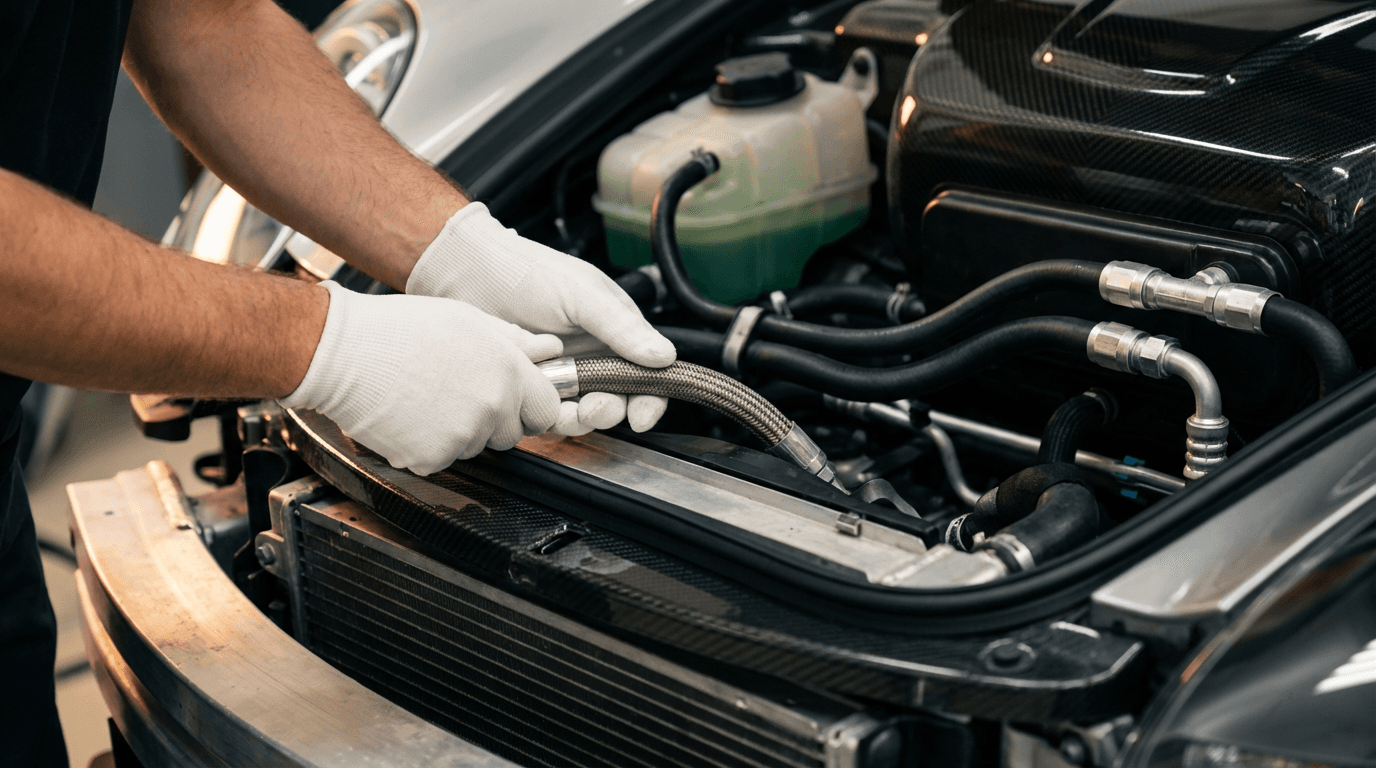
The CGT's cooling system runs at the edge of capacity by design. Air pockets, thermostat issues, and cooling fin damage can cause overheating that ruins engines. Proper bleeding and inspection protocols are critical.
Pre-Purchase Inspection: The Specialist Advantage
Perhaps nowhere is specialist experience more valuable than during a pre-purchase inspection. A CGT PPI isn't a standard checklist—it's a comprehensive evaluation that can save buyers from six-figure mistakes:
- Carbon monocoque inspection for damage or repairs
- Camshaft condition evaluation
- Clutch wear measurement
- Suspension bushing and joint assessment
- Service history verification against known issues
- Authenticity confirmation for numbers-matching components
The Value of Specialist Service
With Carrera GT values now exceeding $1.5 million for clean examples, proper service documentation directly impacts resale value. Investment-grade records from a recognized specialist provide auction houses and collectors confidence that the car has been properly maintained.
More importantly, a true specialist understands these cars intimately. They can identify developing issues before they become catastrophic, recommend appropriate upgrades, and ensure your CGT remains a reliable driver rather than a garage ornament.
Choosing the Right Shop
When evaluating Carrera GT service providers, ask direct questions:
- How many CGTs have you serviced?
- Can you provide references from CGT owners?
- What specialized tooling do you have?
- How do you document service work?
- What is your approach to common issues like camshaft wear?
The answers—or evasions—will tell you everything you need to know about whether you're dealing with a true specialist or a shop that's simply willing to work on your car.
Your Carrera GT deserves better than experimentation. It deserves experience.
--- ## Related Reading - [Best Carrera GT Specialists in America](/blog/best-carrera-gt-specialists-america) - [How to Choose a Porsche Specialist](/blog/how-to-choose-porsche-specialist) - [Carrera GT Annual Service Checklist](/blog/carrera-gt-annual-service-checklist-cost)