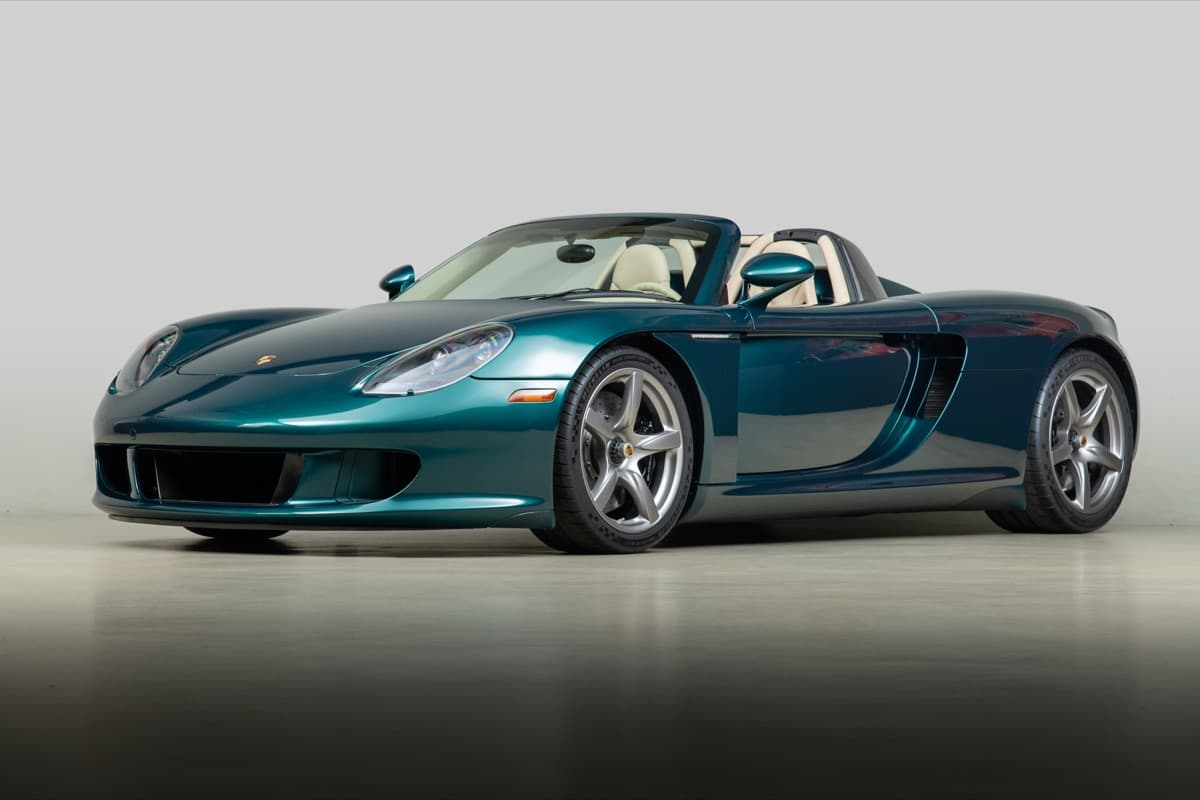
The Carrera GT's 5.7-liter V10 produces 605 horsepower — and a tremendous amount of heat. The cooling system that manages this heat is one of the most critical systems in the car, yet it often receives less attention than the engine, clutch, or brakes during routine conversations about CGT maintenance.
At Repasi Motorwerks, we've seen cooling system neglect cause problems ranging from slow overheating to catastrophic engine damage. This guide covers the cooling system components, common failure points, and the maintenance schedule that keeps this system working as Porsche intended.
Cooling System Architecture
The Carrera GT uses a front-mounted radiator system with electric cooling fans. Coolant is pumped from the radiators through lines running the length of the car to the mid-mounted V10 engine. This layout creates unique challenges compared to front-engine cars.
Key Components
Radiators:
- The CGT uses multiple radiators (front-mounted) to manage the V10's heat output
- Radiator cores can accumulate debris and lose efficiency over time
- External fin damage from road debris reduces cooling capacity
Water pump:
- Engine-driven water pump circulates coolant through the entire system
- Bearing wear is the primary failure mode
- A failing water pump may produce a whining sound before complete failure
Thermostat:
- Controls coolant flow based on engine temperature
- A stuck-open thermostat prevents the engine from reaching operating temperature efficiently
- A stuck-closed thermostat is dangerous — it can cause rapid overheating
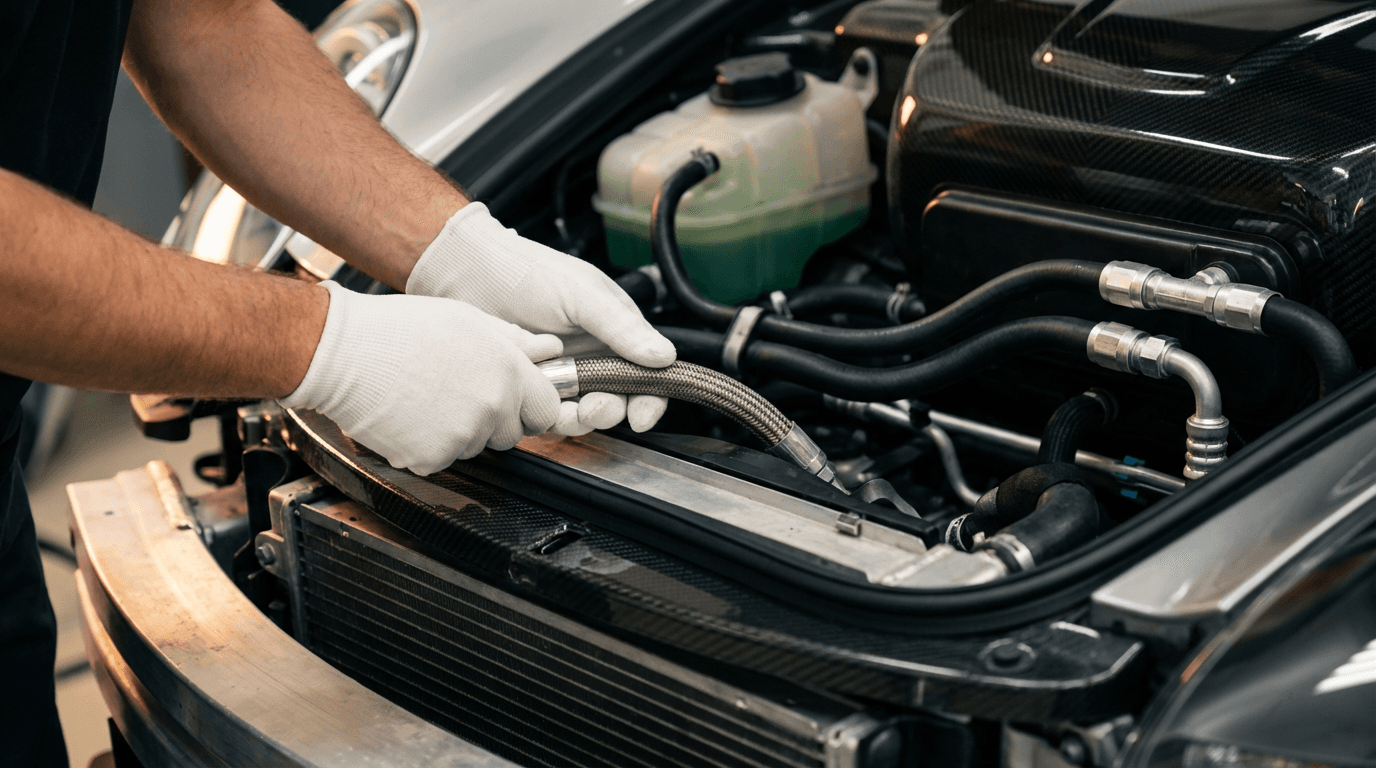
Hoses and lines:
- The CGT has significant coolant line runs from front radiators to the mid-mounted engine
- Rubber hoses and connections are exposed to engine heat and age-related degradation
- Hose clamps can loosen with thermal cycling
Expansion tank:
- Maintains proper system pressure and provides a coolant reservoir
- Cap condition is critical — a failed cap allows pressure loss and lowers the boiling point
- Check for hairline cracks, especially around mounting points
Electric cooling fans:
- Continue running after engine shutdown to manage residual heat
- Fan motor failure can cause overheating in traffic or after hard driving
- Fan relay and controller should be inspected during routine service
Coolant Specification
The Carrera GT requires Porsche-specified coolant mixed to the correct ratio with distilled water.
Do not use:
- Generic "universal" coolant
- Tap water (mineral content causes deposit buildup)
- Pure coolant without water (actually reduces heat transfer efficiency)
Correct procedure:
- Use Porsche factory coolant or approved equivalent
- Mix with distilled water per factory specifications (typically 50/50)
- Use a refractometer to verify mixture concentration
Coolant replacement interval: Every 4 years or 40,000 miles, whichever comes first. In practice, most CGTs accumulate mileage slowly, so the time-based interval is more relevant.
Common Leak Points
Hose Connections
The most frequent source of coolant leaks on the CGT. Hose clamp connections can weep as rubber hoses age and lose their compression set. This is accelerated by the heat cycling that the mid-engine layout imposes on coolant lines running near the engine and exhaust.
Inspection: Visual check for coolant residue at every hose connection point. Green or pink coolant stains on hoses or surrounding components indicate a leak.
Water Pump Seal
The water pump seal can develop a weep as it ages. A small amount of seepage from the weep hole is a designed indicator that the seal is beginning to fail. This is a warning, not an emergency — but it should be addressed at the next service opportunity.
Expansion Tank
Plastic expansion tanks can develop hairline cracks, particularly around mounting bolts and cap seating surfaces. These cracks may only leak under pressure (when the system is hot), making them intermittent and harder to detect at rest.
Radiator End Tanks
The joints between radiator cores and end tanks can develop leaks with age. This is typically a slow seep that's visible as coolant staining on the radiator face.
Preventive Maintenance Schedule
| Interval | Service Items |
|---|---|
| Every service visit | Visual inspection of all hoses and connections |
| Every 2 years | Pressure test the entire cooling system |
| Every 4 years | Coolant flush and replacement |
| Every 6-8 years | Proactive hose replacement (all rubber coolant hoses) |
| As needed | Water pump replacement (if bearing noise or seal weeping detected) |
| As needed | Expansion tank replacement (if cracking detected) |
Overheating Prevention
In Traffic
The CGT's electric cooling fans handle low-speed cooling, but extended idle in hot weather pushes the system to its limits.
- Monitor coolant temperature gauge closely in traffic
- If temperature rises above normal, turn on the cabin heater (transfers heat away from the engine)
- If temperature approaches the red zone, pull over safely and allow the engine to idle with fans running
- Never shut off a hot engine immediately — let it idle for 2-3 minutes to allow circulation to continue
On Track
Track driving generates sustained high heat loads that challenge the cooling system:
- Verify cooling system is in perfect condition before any track event
- Monitor temperature throughout sessions
- End sessions immediately if temperature rises abnormally
- Cool-down laps are essential for the cooling system, not just brakes
After Engine-Out Service
Any service that requires draining and refilling the cooling system must include proper bleeding of air from the system. Air pockets in the cooling system create hot spots and reduce cooling efficiency.
Proper bleeding procedure:
- Fill system according to factory procedure
- Run engine to operating temperature with expansion tank cap off
- Watch for air bubbles escaping from the expansion tank
- Top off as air escapes and coolant level drops
- Repeat the heat cycle until no more air bubbles appear
- Verify coolant level after the car has cooled completely
Related Resources
- Carrera GT Annual Service Checklist
- Carrera GT Common Problems
- Carrera GT Buyer's Guide
- Carrera GT Suspension: Street vs Track
Cooling System Service at Repasi Motorwerks
Cooling system maintenance is included in every Carrera GT service appointment at our facility. For cars with unknown cooling system history, we recommend a comprehensive inspection including pressure testing and hose condition assessment.