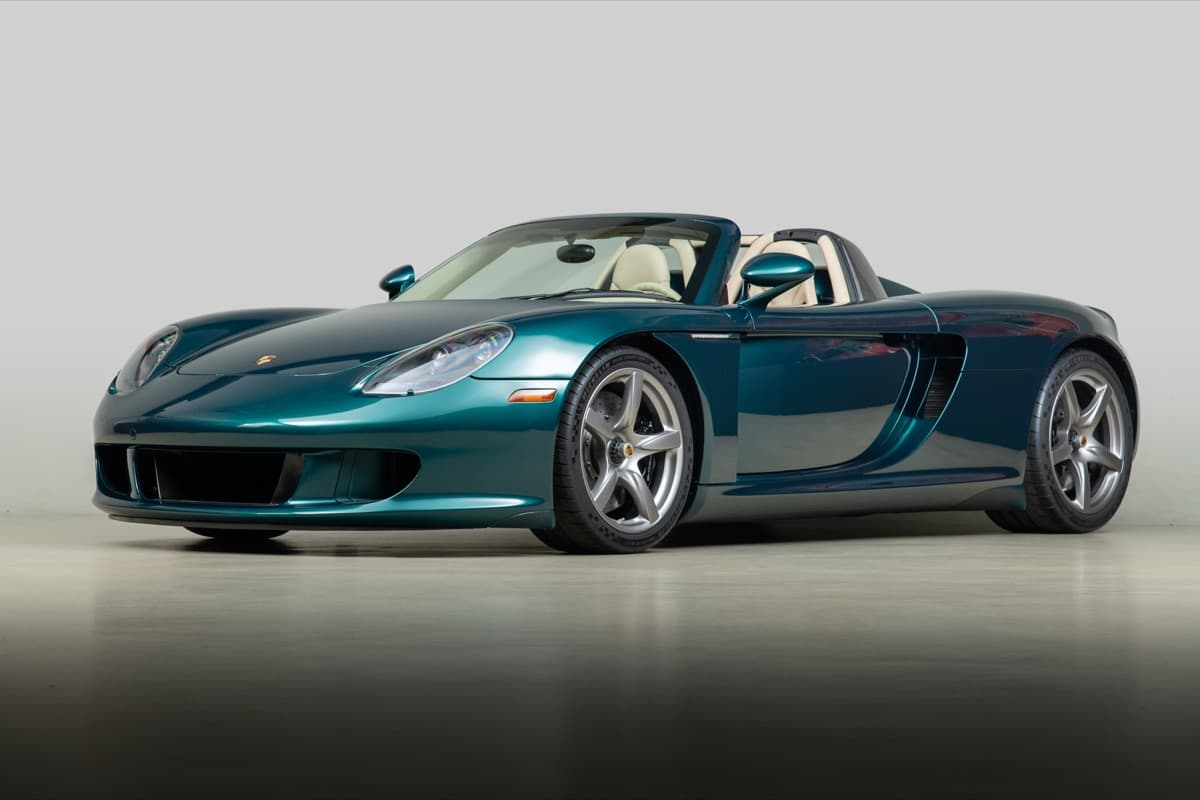

Values on Carrera GTs have stabilized in a way that tells you something important: these aren't speculative investments anymore. They're established blue-chip collectibles with correspondingly substantial—and relatively stable—prices.
Understanding where your Carrera GT fits in the current market helps whether you're considering a sale, evaluating insurance coverage, or simply curious about what years of appreciation have done to your asset. At Repasi Motorwerks, we service these cars constantly and interact with the market regularly. This guide reflects what we actually see, not wishful thinking from either buyers or sellers. Our Carrera GT resource center provides the full ownership picture — from purchase to long-term care.
Why Carrera GT Values Remain Strong
The fundamentals supporting Carrera GT values haven't changed. If anything, they've strengthened as time passes.
Production scarcity is permanent. Porsche built exactly 1,270 Carrera GTs between 2004 and 2007. Of those, approximately 650 came to the United States. No more will ever exist. Every accident, every fire, every car lost to whatever fate befalls exotic cars reduces the supply permanently.
The character these cars offer is irreplaceable. The Carrera GT represents the last naturally aspirated, manual-transmission Porsche supercar. The V10 derived from Formula 1 development, the ceramic clutch that demands real driving skill, the carbon fiber monocoque that was cutting-edge when built—none of this can be replicated today. Modern supercars are faster and more sophisticated, but they're not this.
Engineering significance matters to collectors. The Carrera GT wasn't just fast for its time—it was an engineering statement. The technology Porsche deployed in this car showed what they could accomplish when budget constraints disappeared. Collectors who understand engineering value that achievement.
The driving experience appeals to a specific buyer. The Carrera GT demands driver skill in ways that modern, electronically-assisted supercars don't. There's no stability control safety net. The clutch requires technique. The car will bite if you exceed its limits—or your own. This analog character attracts enthusiasts who value engagement over accessibility, and that group isn't shrinking.
Porsche's brand strength underpins everything. The company's reputation for engineering excellence and motorsport success supports collectible values across their range. The Carrera GT benefits from this halo.
Where Current Values Actually Sit
Market values depend heavily on condition, and condition means more than just mileage. Let me break down what we're seeing.
At the top of the market sit concours and museum-quality examples: under a thousand miles, showroom-perfect, typically single-owner with complete documentation, always stored in climate-controlled environments, driven only to shows if at all. These cars trade between roughly .8 million and .5 million or more when they surface—which isn't often. Most transactions happen privately, and when one does appear at auction, records often follow.
One step down, exceptional examples with one to three thousand miles in near-perfect condition trade between .3 million and .8 million. These cars have careful ownership histories, complete records, and look essentially new despite light use. Premium collectors pursue these.
The sweet spot for many buyers falls in the excellent category: three to seven thousand miles, well-maintained with documented service history, showing light use evidence but clearly cared for properly. These cars trade between .9 million and .3 million. Collectors who actually want to drive their cars often target this range—enough use history to suggest the car hasn't just sat, enough care to suggest nothing's been hidden.
Very good examples with seven to twelve thousand miles, maintained per schedule with normal wear and no significant issues, trade between .6 million and .9 million. Drivers seeking quality without paying collector premiums shop here.
Good condition cars with twelve to eighteen thousand miles—active use history, perhaps needing updating or service—trade between .35 million and .6 million. Value-focused buyers who prioritize driving over preservation target this range.
Driver-grade cars with eighteen thousand miles or more, varying condition, possibly needing work, trade between roughly .15 million and .35 million. Buyers unconcerned with mileage who want to use their cars without guilt shop here.
What Increases Value Beyond Condition
Documentation quality affects value more than many owners realize. Complete service records with dealer stamps can add ten to twenty percent versus an equivalent car with unknown history. Buyers pay for certainty.
What constitutes complete documentation? The original window sticker. Service records from all owners. Dealer stamps in the service book. Maintenance invoices showing what was done and when. Any correspondence with Porsche. The more paper you have, the more valuable that paper becomes.
Color and specification matter, though premiums fluctuate with fashion. GT Silver Metallic typically adds five to ten percent. Guards Red adds five to eight percent. Rare colors like Fayence Yellow can add ten to fifteen percent or more. Special-order colors vary widely depending on how attractive the specific color is to current buyers.
Desirable options carry value too. Carbon racing seats add fifteen to twenty-five thousand dollars over standard seats. A complete original luggage set adds ten to twenty thousand. The original fitted car cover adds three to five thousand. These numbers seem specific because transactions establish them.
Single ownership provides provenance that buyers value. First-owner cars typically command premiums because known history from new provides confidence that documentation gaps don't hide problems.
Recent major service matters more than you might expect. A car with a fresh clutch replacement, just-completed timing service, or other recently-addressed major items provides buyers peace of mind. They're not buying into immediate expenses. This justifies higher asking prices and faster sales.
What Decreases Value
Accident history affects value at every severity level. Minor cosmetic damage, properly repaired, reduces value five to ten percent. Moderate panel damage drops values fifteen to twenty-five percent. Significant structural damage, even if expertly repaired, reduces values thirty to fifty percent. Severe damage can render a car essentially unsalable to knowledgeable buyers.
Even perfect repairs can't fully restore value on significant damage. The history follows the car through Carfax, through insurance records, through the network of specialists who remember what came through their shops. Buyers who do their homework discover this history.
Missing documentation creates buyer uncertainty. Even if the car appears perfect, unknown service history raises questions. Was the clutch ever replaced? How many times has the oil been changed? Did the previous owner know what they were doing? Uncertainty means discount.
Inappropriate modifications decrease value for collectors. Aftermarket exhaust, non-stock wheels, modified suspension—these might appeal to some drivers but turn off collectors who want original specification. Reversible modifications matter less than permanent ones, but the preference for stock cars is clear.
Deferred maintenance compounds. A car that missed services and shows evidence of neglect trades at discounts even if current condition seems acceptable. Buyers assume hidden problems and price accordingly.
Making Sense of the Market
The Carrera GT market rewards patience and preparation. Sellers who document everything, maintain properly, and present their cars well achieve the highest prices. Buyers who do homework, inspect thoroughly, and move decisively when the right car appears get the best values.
Values have appreciated dramatically since production ended. A car that sold for under ,000 a decade ago now trades for well over a million. Whether this appreciation continues depends on factors beyond anyone's control—but the fundamentals supporting these values haven't weakened.
If you're considering selling, proper documentation and presentation matter. If you're considering buying, pre-purchase inspection by someone who knows these cars is essential. Either way, understanding where specific cars fit in the market helps make better decisions.
Questions about Carrera GT values? Contact Repasi Motorwerks in Stratford, Connecticut. We provide honest assessment based on actual market experience—whether you're buying, selling, or simply curious.