When someone tells you the Porsche 918 Spyder is reliable, they're usually selling something. When someone tells you it's a maintenance nightmare, they've probably never owned one. The truth, as always, lives somewhere in between—and after servicing these cars for years, I can tell you exactly where that middle ground sits.
The 918 is remarkable for what it accomplishes: 887 combined horsepower from three power sources integrated more seamlessly than any hybrid before or since. But complexity creates opportunities for failure, and understanding what actually goes wrong helps owners prevent problems rather than react to them. Our 918 Spyder Complete Ownership Guide addresses these concerns in context.
This isn't a scare piece designed to discourage 918 ownership. It's a practical guide to what we see in our shop, why it happens, and what you can do about it.
The Battery: Separating Fear from Reality
Nothing generates more anxiety among 918 owners than the hybrid battery. Horror stories about six-figure replacement costs circulate in owner forums, creating fear that sometimes exceeds the actual risk.
Here's what we actually see: after nearly a decade since the last 918 left the factory, battery capacity degradation has been less severe than many predicted. Cars with proper maintenance typically retain eighty-five to ninety-five percent of original capacity. Complete battery replacement remains rare for well-maintained examples.
The battery management system is sophisticated, maintaining cells within optimal temperature and charge ranges automatically. But it can't overcome physics—several factors affect long-term battery health, and owners have meaningful control over most of them.
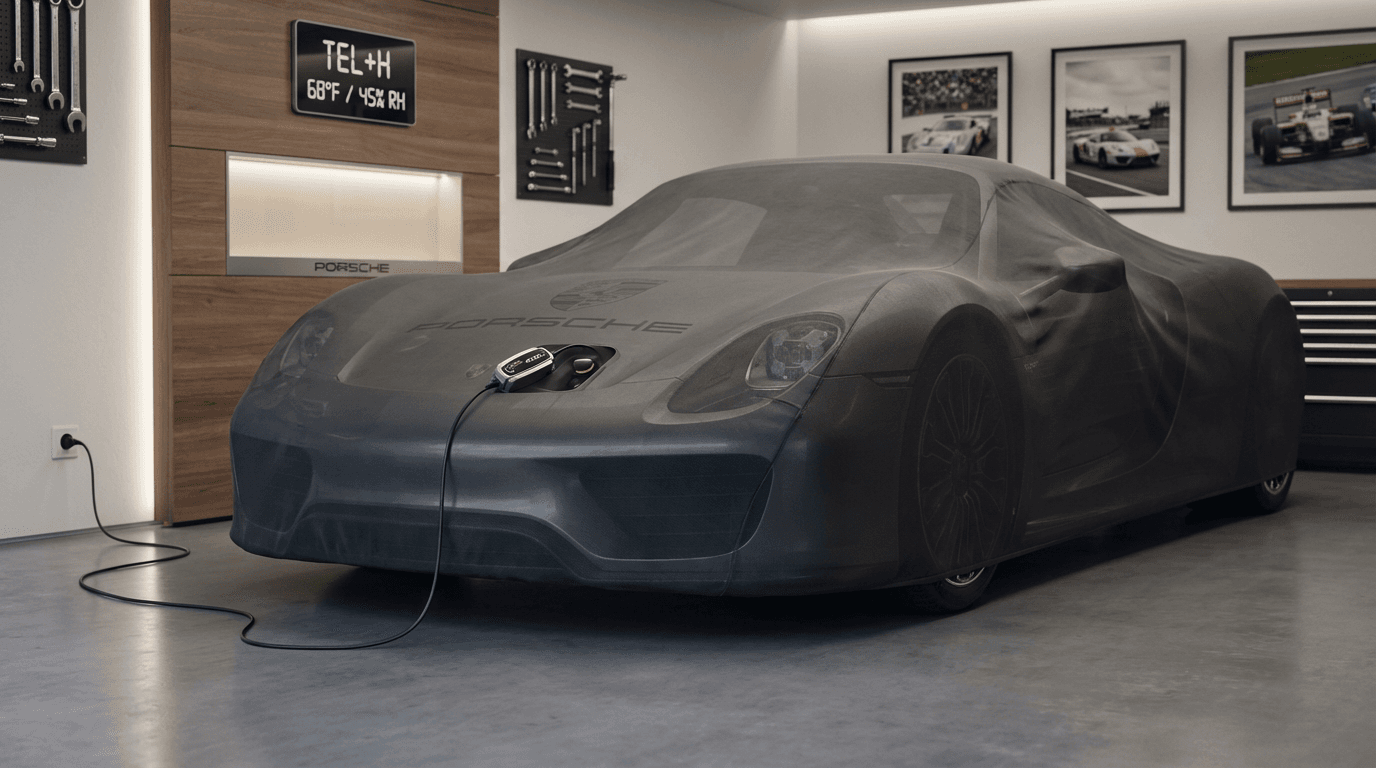
Cars that sit for extended periods without proper maintenance protocols develop cell imbalance. The battery management system draws power even when the car sits, and over months, individual cells can drift apart in ways that stress the pack. The 918 should either be driven regularly—monthly at minimum—or maintained on proper storage charging systems that prevent deep discharge while keeping cells balanced.
Charging infrastructure matters more than most owners realize. Home charging requires proper installation, and the 918's onboard charger is sensitive to power quality issues. We've seen cases where improper home installations caused system faults that required dealer-level diagnostics to resolve. If you're having charging issues, check your installation before assuming the car has a problem.
What does real battery trouble look like? Reduced electric range is the most obvious sign—a healthy 918 should achieve twelve or more miles on pure electric power. When that drops below eight to ten miles, significant capacity loss has occurred. Charging anomalies—the battery reaching full charge faster than it should, or not quite reaching a hundred percent—also indicate declining capacity. And any warning messages related to the high-voltage system warrant immediate professional attention.
The good news: battery conditioning, which essentially optimizes cell balance and capacity, costs a fraction of full replacement and can extend useful life considerably. When problems do develop, individual modules can sometimes be replaced rather than the entire pack, again reducing costs substantially compared to worst-case scenarios.
Cooling Systems: The Silent Risk
The 918 has multiple cooling circuits serving the engine, hybrid components, and battery system. These systems are critical for performance and longevity, and they age in predictable ways.
The plastic coolant expansion tanks can crack with age—a problem shared with many modern Porsches. When they crack, you lose coolant, and the car may not give you much warning before temperatures spike. Regular inspection catches this before it becomes an emergency. We examine these tanks at every service, looking for stress cracks that indicate impending failure.
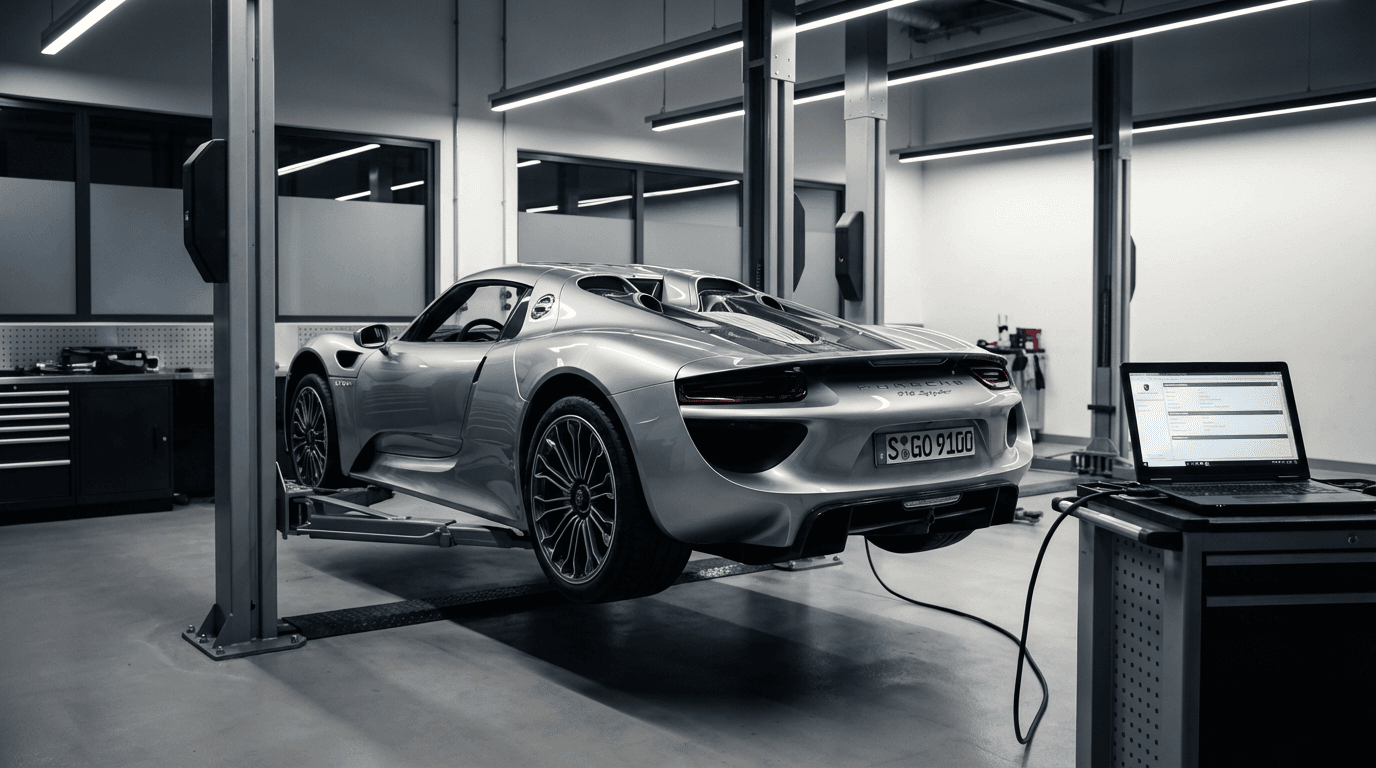
The battery cooling circuit uses electric water pumps that can fail. Unlike mechanical pumps driven by the engine, these electric units can fail without warning. Replacement is straightforward but requires proper bleeding procedures to ensure the cooling circuit functions correctly afterward. We test pump operation during inspections—it's not something you can evaluate yourself without diagnostic equipment.
Thermostat housing seepage appears as cars age. Age-related seal degradation causes minor leaks that may not trigger warnings initially but worsen over time. Better to address proactively than wait for a roadside failure.
Our approach: cooling system pressure testing annually, with particular attention to hose connections, expansion tank condition, water pump operation, radiator condition for road debris damage, and heat exchanger efficiency. Finding a small leak during a scheduled inspection is inconvenient; finding one on the highway ruins your day and potentially your engine.
High-Voltage System: Respect Required
The 918's 400-volt hybrid system isn't something anyone should approach casually. This isn't a criticism of owner knowledge—it's a statement about electrical safety. Even trained technicians approach these systems with specific protocols because the consequences of mistakes can be severe.
We've seen cars where previous shops attempted service without proper high-voltage protocols. Sometimes this causes direct damage to expensive components. Other times it triggers safety interlocks that require dealer-level reset procedures—turning a simple service into a diagnostic nightmare.
Proper 918 service requires high-voltage isolation procedures before any work begins, insulated tools for hybrid system components, personal protective equipment rated for electrical hazard, understanding of the interlock systems that protect both people and components, and emergency protocols for hybrid vehicle incidents.
If a shop can't explain their high-voltage certification and safety procedures, they shouldn't be working on your 918. This isn't elitism—it's basic safety and competency.
The V8: Racing DNA with Road Expectations
The 918's 4.6-liter V8 derives from the RS Spyder racing engine, adapted for road use but retaining its high-revving, naturally aspirated character. Like the Carrera GT's V10, it's intolerant of neglect but rewards proper care with remarkable performance and longevity.
Oil consumption under spirited driving is normal and not cause for concern—typically about a quart every two to three thousand miles during aggressive use. This is within specification for a high-performance engine designed to rev past eight thousand RPM. Check levels regularly and top off as needed rather than worrying about the consumption itself.
The top-exit exhaust system endures extreme heat cycling. We inspect mounting hardware and heat shielding at every service, watching for fatigue that could lead to failures or rattles. The active engine mounts and intake system require occasional attention as well—intake plenum seals and mount condition are part of our standard inspection protocols.
Spark plug replacement, listed in factory schedules around forty thousand miles, requires partial disassembly for access. This isn't a weekend project—plan for professional service. Drive belts should be inspected annually and replaced every six years regardless of appearance. Valve clearance rarely needs adjustment, but we check at sixty thousand miles to verify nothing has drifted.
PDK Transmission: Integrated Complexity
The 918 uses a 7-speed PDK transmission specifically designed for hybrid integration, with one electric motor mounted within the transmission case itself. This integration creates extraordinary performance but adds considerations for service and repair.
We monitor clutch wear values through diagnostic scans, shift quality and response, integration with electric drive modes, and fluid condition using specialized procedures. The integrated electric motor means that transmission problems are more expensive to resolve than on conventional PDKs—there's simply more involved.
The good news: PDK issues in 918s are genuinely rare. Porsche engineered the system robustly, and with proper maintenance, these transmissions last. Preventive care—maintaining fluid quality, monitoring wear values, addressing any shift quality concerns early—is far cheaper than reactive repair.
Electronic Quirks and Software
The 918's electronics are complex and generally reliable, but age brings certain patterns.
Software updates have been released multiple times since production ended. Cars with outdated software may exhibit quirks that have been resolved in later releases—strange mode transitions, unexpected messages, or minor behavior inconsistencies. We verify software status at every major service and update when appropriate.
Various sensors can fail: wheel speed sensors causing ABS or traction faults, battery temperature sensors creating charging limitations, ride height sensors generating suspension faults, power steering sensors affecting assist characteristics. Most sensor issues are straightforward to diagnose and resolve with proper equipment.
The center display can fail—a known issue across Porsche models of this era with well-established replacement procedures. It's annoying when it happens but not mysterious or particularly expensive in the context of 918 ownership.
Weissach Package: Additional Considerations
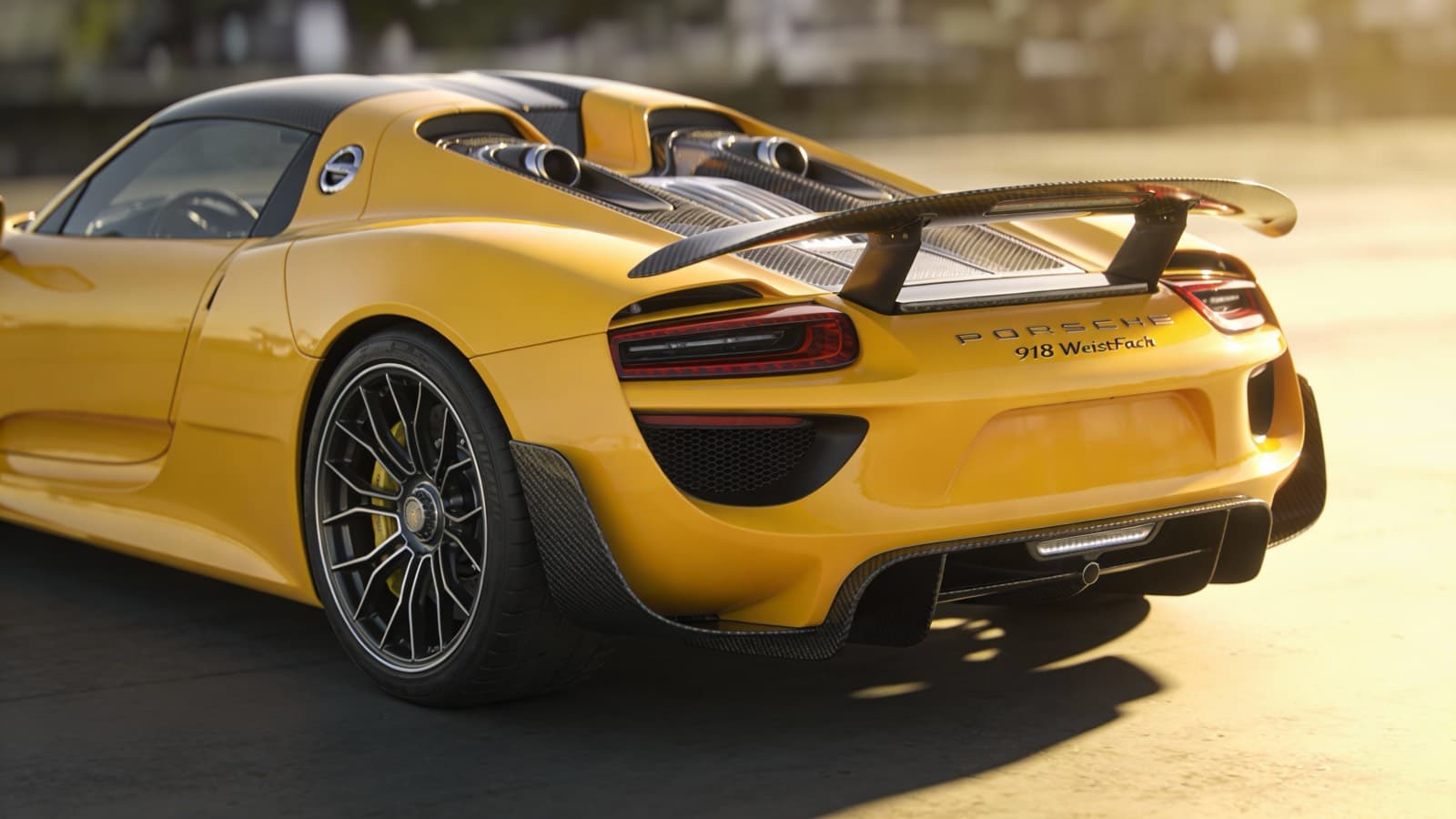
Roughly forty percent of 918s left the factory with the Weissach package, which shaved ninety pounds through lightweight materials. Those materials require specific attention.
The magnesium wheels are lighter but more susceptible to corrosion than aluminum. They should be inspected regularly for coating integrity, and any damage addressed promptly before corrosion spreads. Replacement wheels are extraordinarily expensive—we've seen quotes exceeding what some people pay for entire cars.
The extensive carbon fiber components require inspection for road damage and UV degradation. Minor cosmetic damage can often be repaired by specialists; structural damage requires replacement at significant cost.
Various Weissach weight-reduction measures create subtle long-term considerations. The reduced sound insulation exposes interior components to more heat and noise stress. Some owners report that Weissach cars age differently than standard 918s in ways that become apparent only after years of use.
What This Means for Ownership Costs
918 maintenance is substantial but predictable with proper planning. Annual service runs three to six thousand dollars. Major service every four years costs fifteen to twenty-five thousand. Tires run three to five thousand per set. Brake pads, when needed, add four to eight thousand.
These costs assume nothing goes wrong—and with proper maintenance, that assumption often holds. But unexpected repairs can be expensive. Battery system issues, while rare, can cost fifty thousand or more. High-voltage component replacement runs into five figures. This is why specialist service and preventive maintenance matter—you're not just maintaining the car, you're reducing the probability of catastrophic expense.
Choosing Your Service Partner
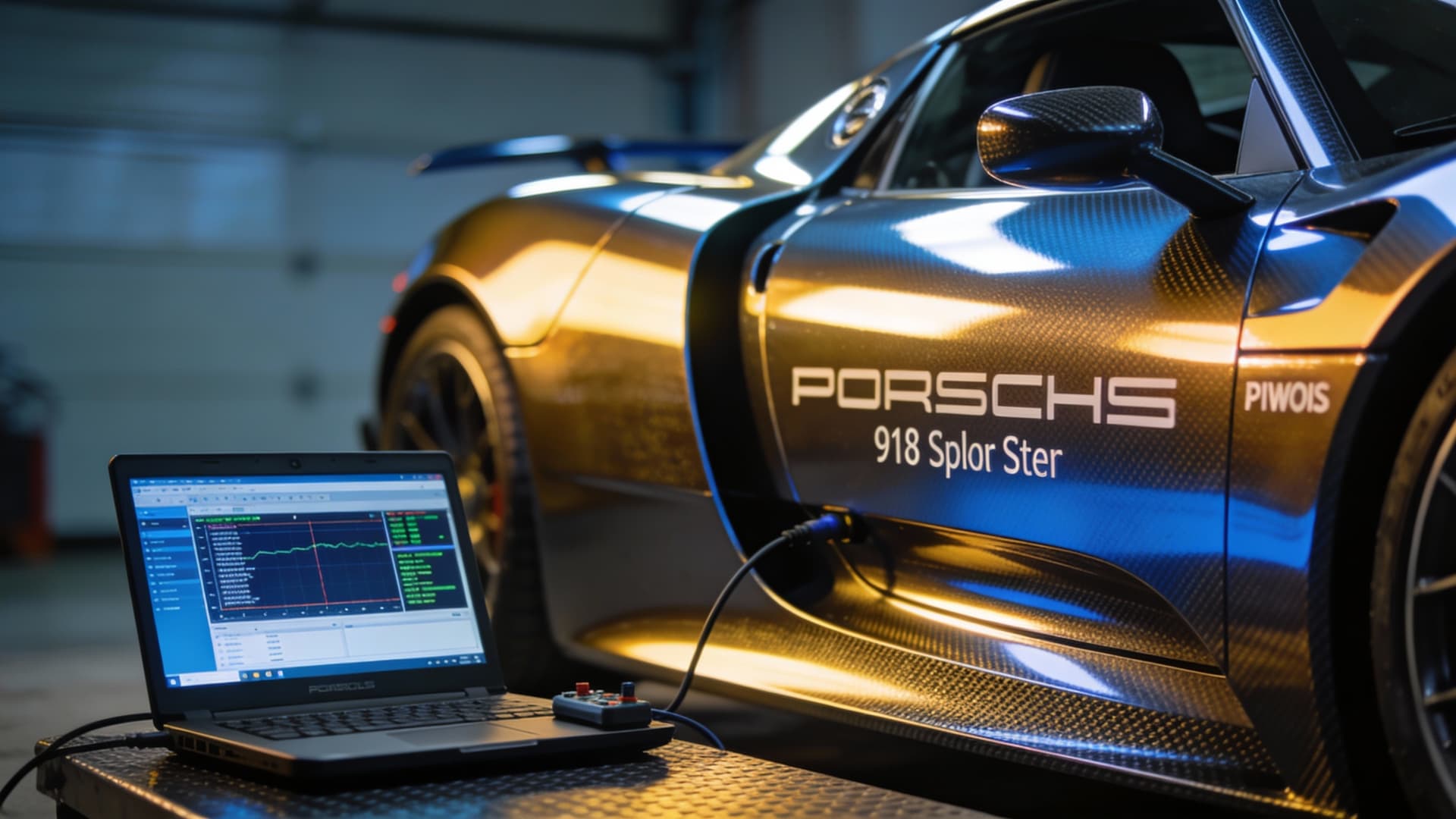
918 owners should select service providers carefully. Essential qualifications include factory training on 918 systems, high-voltage certification and equipment, PIWIS diagnostic capability with current software, established parts sourcing relationships, and insurance appropriate for high-value vehicles.
Not every Porsche specialist has these capabilities—the 918 is rare enough that many excellent shops have never worked on one. Direct conversation about specific 918 experience should precede any service relationship.
The Proper Maintenance Difference
The contrast between well-maintained 918s and neglected examples is stark. Properly cared-for cars retain performance, reliability, and value. Neglected cars develop cascading problems where small issues compound into expensive repairs.
Our maintenance protocols follow factory specifications while incorporating improvements developed through years of hands-on experience. We document every service comprehensively, building records that protect both the car's function and its long-term value.
The 918 Spyder rewards owners who understand its nature and meet its requirements. It's not maintenance-free—nothing with 887 horsepower should be. But with informed ownership and proper care, these cars deliver the experience Porsche engineered into them, year after year.
Questions about your 918 Spyder? Contact Repasi Motorwerks in Stratford, Connecticut. We provide the specialized service these remarkable hybrids require—comprehensive care from technicians who understand both what makes them extraordinary and what keeps them running.