The GT3 arrived on a flatbed from Virginia with a cracked windshield and brake dust covering every wheel. The owner had done twelve track days in six months, and his local shop had just told him the brakes needed complete replacement—pads, rotors, the works. He wanted a second opinion before spending $15,000.
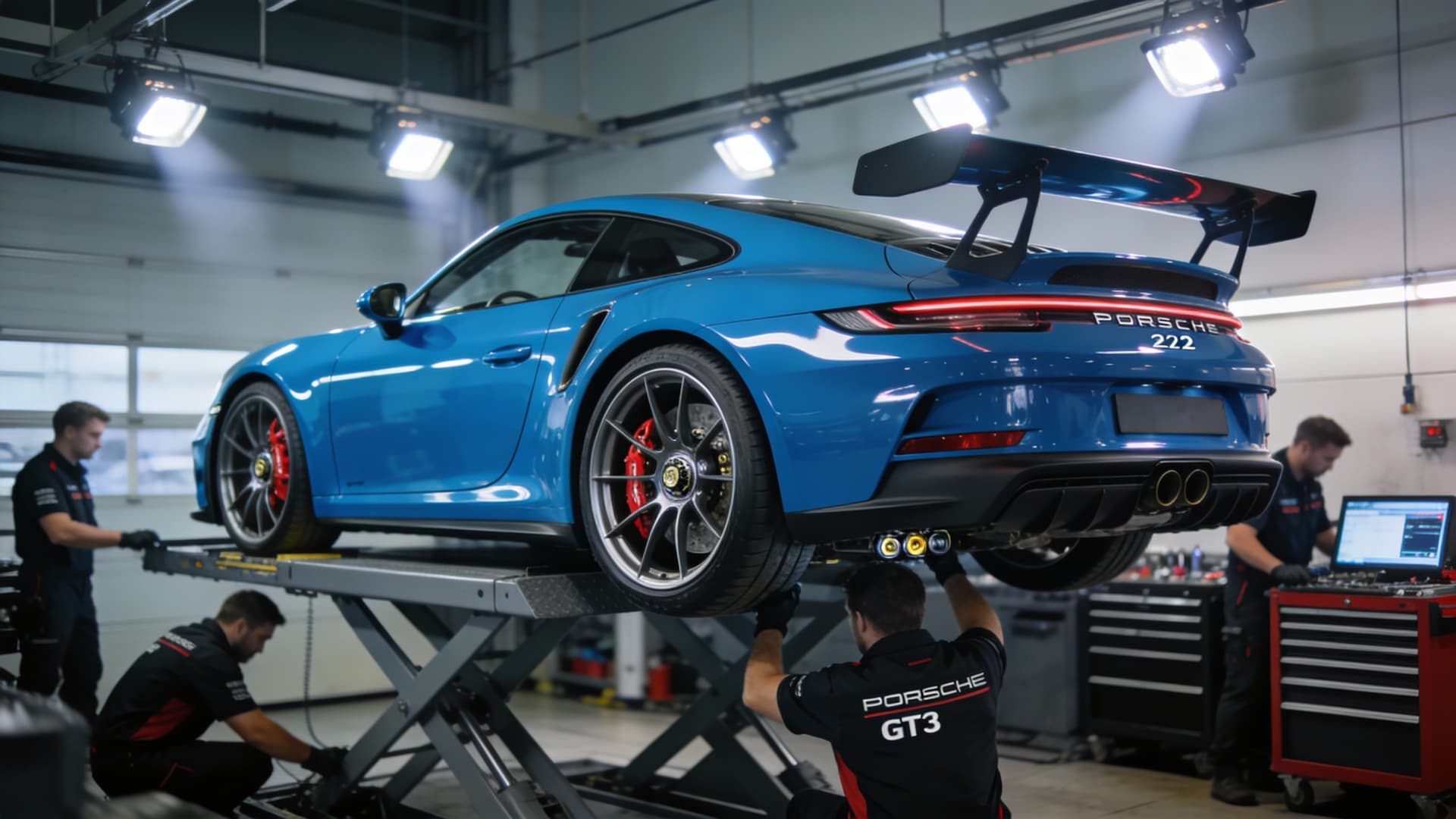
We put the car on the lift and started measuring. The front pads had plenty of life left. The rear pads were worn but not dangerous. The rotors showed normal wear patterns with no cracking or heat damage. What his local shop had seen as replacement-ready, we saw as another season of track days with proper monitoring. For the complete ownership picture, see our Ultimate GT3 Owner's Guide.
This scene plays out regularly with GT3 owners. The cars are designed for track use, and many owners take advantage of that capability. But track-focused Porsches need track-focused maintenance knowledge. General repair shops—and even some Porsche dealers—don't always understand the difference between worn-out components and components that have been used as intended.
Understanding What You Own
The GT3 represents Porsche's most uncompromising expression of 911 performance short of actual race cars. Each generation has evolved the formula while maintaining the essential character: naturally aspirated power, rear-engine handling dynamics, and hardware borrowed directly from motorsport programs.
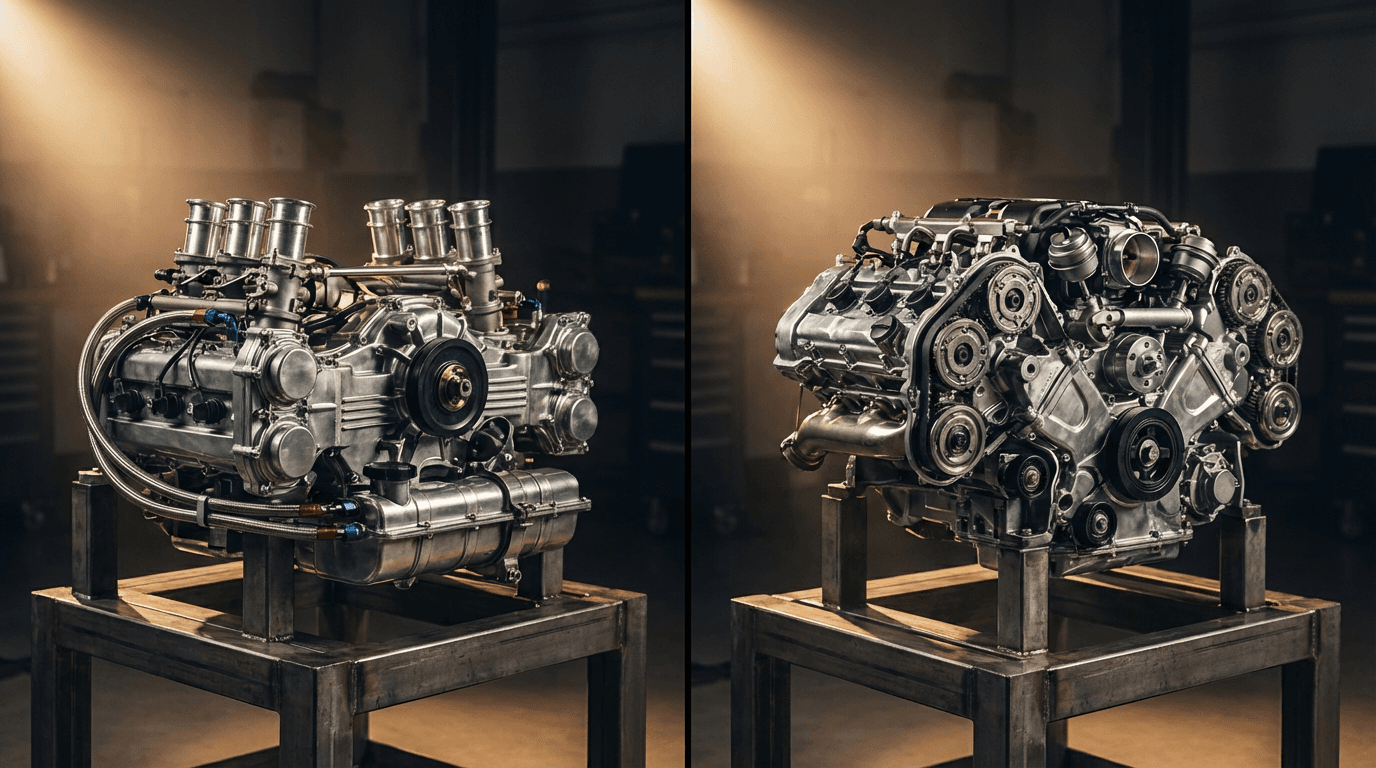
The 991.1 GT3 that debuted in 2013 marked a significant departure from its predecessors. The PDK-only transmission sparked controversy among purists, but the 475-horsepower 3.8-liter engine and first-generation active rear steering created a genuinely new category of track capability. Electric power steering replaced hydraulic for the first time, and while many initially complained, the system proved well-calibrated for both street and circuit use.
The early 991.1 generation did experience the engine issues that led to Porsche's recall and replacement program. Most affected cars have received updated engines at this point, but service history verification remains critical for any 991.1 purchase. Knowing whether an engine is original or replacement—and having documentation either way—matters for both reliability and resale.
The 991.2 generation answered enthusiast prayers with a manual transmission option alongside PDK. Displacement grew to 4.0 liters, power rose to 500 horsepower, and refinement improved across the board. The 4.0-liter engine has proven reliable, settling concerns that arose from the earlier generation. Manual-equipped cars add clutch wear as a maintenance consideration, though wear varies dramatically based on driving style and traffic exposure.
The current 992 GT3 brought race-derived double-wishbone front suspension from the 911 RSR, along with 510 horsepower and the most refined driving experience yet. Still early in its production lifecycle, the 992 hasn't revealed widespread issues, though its increased electronic sophistication demands current diagnostic capabilities for proper service.
What Maintenance Actually Looks Like
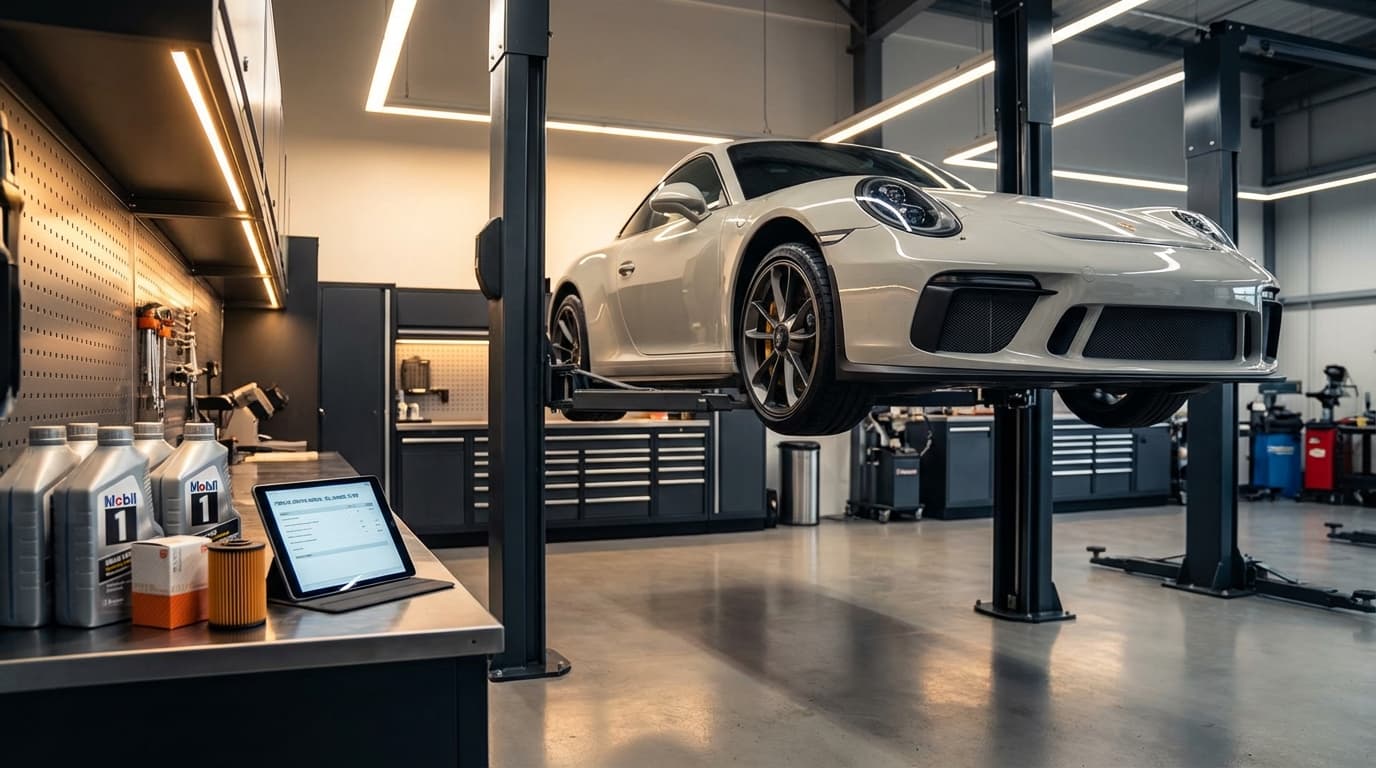
GT3 maintenance follows Porsche's recommended intervals but deserves thoughtful interpretation rather than blind application. The 10,000-mile oil change interval works fine for street-driven cars covering easy highway miles. Track-driven cars need more frequent attention regardless of what the service interval sticker says.
We change oil on track-focused GT3s every 5,000 miles or after intensive track weekends, whichever comes first. High-revving engines running at sustained elevated temperatures stress oil more than casual driving ever could. The cost difference between 5,000-mile changes and waiting for 10,000 miles is trivial compared to what engine damage costs to repair.
Brake fluid demands similar thinking. GT3s with any track exposure need brake fluid changes at every service interval—annually at minimum. Even street-driven cars benefit from annual fluid replacement because brake fluid absorbs moisture from the atmosphere, and moisture-contaminated fluid boils at lower temperatures than fresh fluid. Boiled brake fluid means no brakes when you need them most.
The twenty-thousand-mile service adds spark plugs, air filters, and cabin filter replacement. PDK-equipped cars need transmission fluid service at this interval. The dual-clutch system generates significant heat during aggressive driving, and fresh fluid ensures the shift quality that makes PDK remarkable continues to impress.
Coolant flush, complete brake evaluation, suspension inspection, and drive belt assessment happen at forty thousand miles. By this point, track-driven cars may have already needed brake components depending on usage intensity. Street-driven examples typically arrive at this interval with all systems healthy but due for comprehensive evaluation.
Track Use Changes Everything
The GT3 was built for the track. Porsche engineering specifically designed these cars to handle circuit abuse that would destroy ordinary vehicles. But track capability doesn't mean track immunity. Components wear faster under track conditions, and owners need to understand what that means for maintenance planning.
Brakes take the hardest hit. Track days generate sustained heat loads that street driving never approaches. Even Porsche Ceramic Composite Brakes—the PCCB option that costs a small fortune from the factory—wear under track conditions. Pads might need replacement every five to ten track days with steel brakes; ceramic pads last longer but still wear. Rotors typically survive two or three pad sets before needing replacement.
Brake fluid should be changed before every track event if you're serious about safety. Heat-soaked fluid from a previous session carries into the next one, and contaminated fluid fails at precisely the worst moment. Fresh high-quality racing brake fluid costs less than a hundred dollars. That's cheap insurance against brake failure at triple-digit speeds.
Fluids throughout the car suffer from track heat. We recommend transmission fluid changes every 10,000 miles for regularly tracked PDK cars—twice the normal interval. Engine coolant needs inspection at the same frequency. Components that seem fine during a visual check can be breaking down internally from repeated thermal cycling.
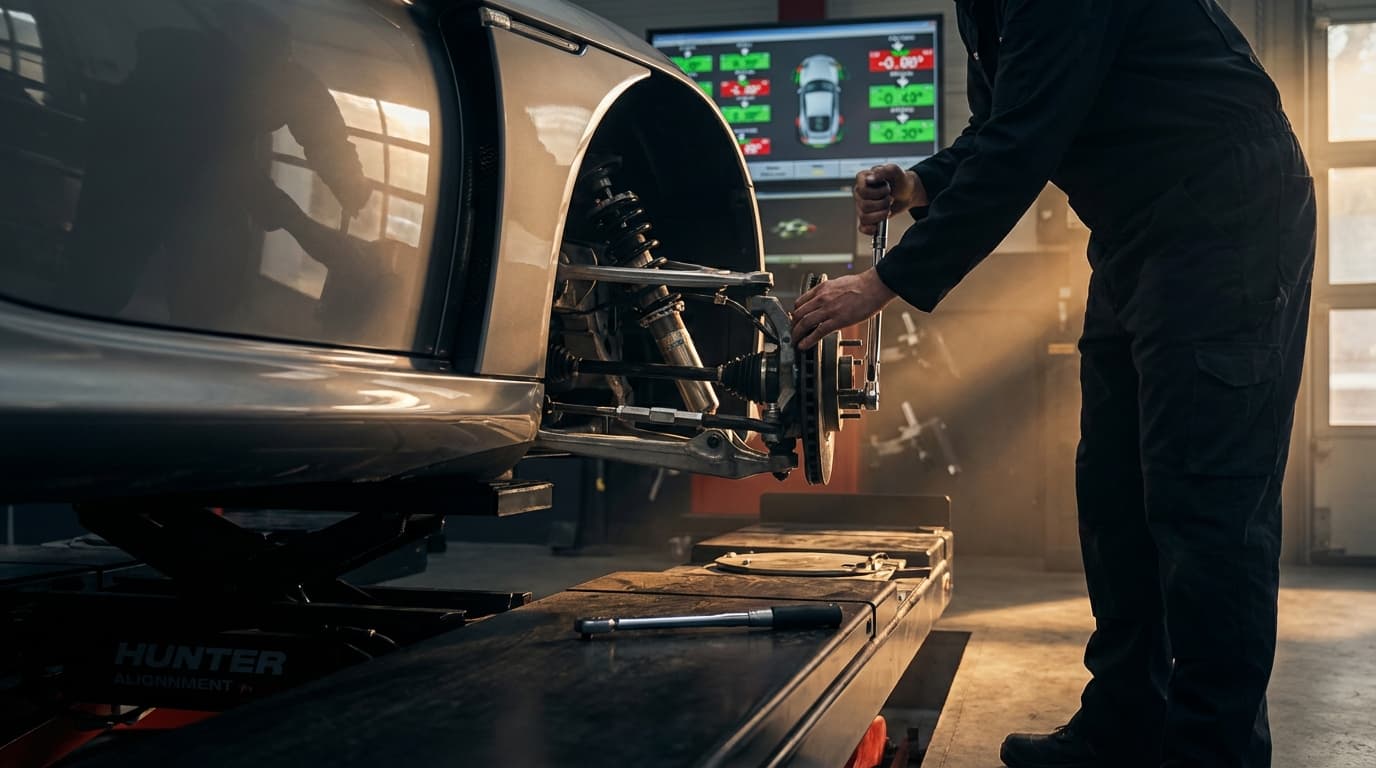
Tires and alignment deserve track-specific attention. A spirited session can scrub significant rubber and knock alignment out of specification. We check alignment after every three or four track days for cars that see regular circuit use. Tire rotation during standard service extends life and maintains balanced handling characteristics.
What Goes Wrong by Generation
Each GT3 generation has developed its own reputation for specific concerns. Understanding these helps owners anticipate potential issues and address them proactively.
The 991.1's engine concerns dominated early discussions, but most affected cars have been addressed through Porsche's program. Front suspension ball joints wear faster on tracked cars—plan for replacement if you're driving hard. Steering rack fluid leaks occur occasionally and should be addressed before they become failures.
The 991.2 added clutch wear as a consideration for manual-equipped cars. How long a clutch lasts depends almost entirely on driving style and traffic exposure. Some owners wear clutches in under 20,000 miles; others pass 50,000 with plenty of life remaining. The front lift system can develop hydraulic leaks, and rear engine mounts wear on cars that see aggressive use.
The 992 remains too new for widespread pattern issues to emerge. Software updates should be kept current as Porsche refines the sophisticated electronics. The double-wishbone front suspension requires specific expertise for service—this isn't the same system as previous generations, and technicians need training on its unique characteristics.
The Cost Reality
GT3 maintenance costs more than standard 911 service but less than many owners fear. Understanding realistic budgets helps with ownership planning.
Street-focused GT3s driven 10,000 miles annually typically need $2,000 to $3,500 in routine maintenance through a specialist shop. Dealer pricing runs roughly double—$4,500 to $7,000 for the same services. The difference isn't quality; it's overhead. Dealers carry facility costs and corporate structures that independents don't. Both can deliver proper service; one simply charges more.
Light track use pushes annual maintenance toward $3,500 to $5,500 at a specialist, or $6,500 to $10,000 at dealers. The additional cost comes from more frequent fluid changes, increased brake wear, and closer monitoring of track-stressed components.
Regular track use—the owners who appear at multiple events monthly—should budget $5,500 to $8,000 annually through specialists, or $9,000 to $15,000 through dealers. These cars need shorter service intervals, more frequent brake attention, and ongoing monitoring of components that track use accelerates toward replacement.
The financial argument for specialist service becomes compelling over ownership. A car driven ten years with regular track use might see $30,000 to $40,000 in savings compared to dealer service, with no compromise in work quality or parts authenticity.
Finding the Right Service Partner
Not every shop should service a GT3. These cars deserve specialists who understand their specific characteristics and track-use requirements.
Technical expertise matters enormously. GT3s behave differently than standard 911s, and their service needs reflect those differences. Shops without GT3 experience may not recognize normal wear patterns versus concerning ones—like the Virginia shop that wanted to replace perfectly functional brakes.
Equipment investment is non-negotiable. PIWIS diagnostic access—Porsche's factory diagnostic system—is essential for proper GT3 service. Without it, technicians work blind on the sophisticated electronics that manage everything from engine performance to stability control. Verify that any shop you're considering has current diagnostic capability.
Track experience separates adequate service from excellent service. If you use your GT3 on track, choose a shop that understands track car requirements: proper brake bedding procedures, appropriate fluid selection for operating temperatures, and inspection protocols calibrated for track use rather than street driving.
We see GT3s from across the country at our Connecticut facility. Many owners ship their cars specifically for our expertise with these models, preferring the quality of specialized service over the convenience of local shops without track-car knowledge.
Preserving What Makes Them Special
GT3s hold value remarkably well when properly maintained. Documentation matters—complete records from qualified shops support resale value and buyer confidence. Every service we perform includes detailed notes and photographs, building a record that follows the car through future ownership.
The difference between a neglected GT3 and a properly maintained one becomes obvious on inspection. Wear patterns tell stories. Service history reveals priorities. Buyers who know these cars can read their condition accurately, and those buyers pay appropriately for cars that have been cared for correctly.
Maintenance isn't just about keeping a GT3 running—it's about preserving what makes it special. These are not ordinary cars. They deserve attention that matches their engineering and purpose.