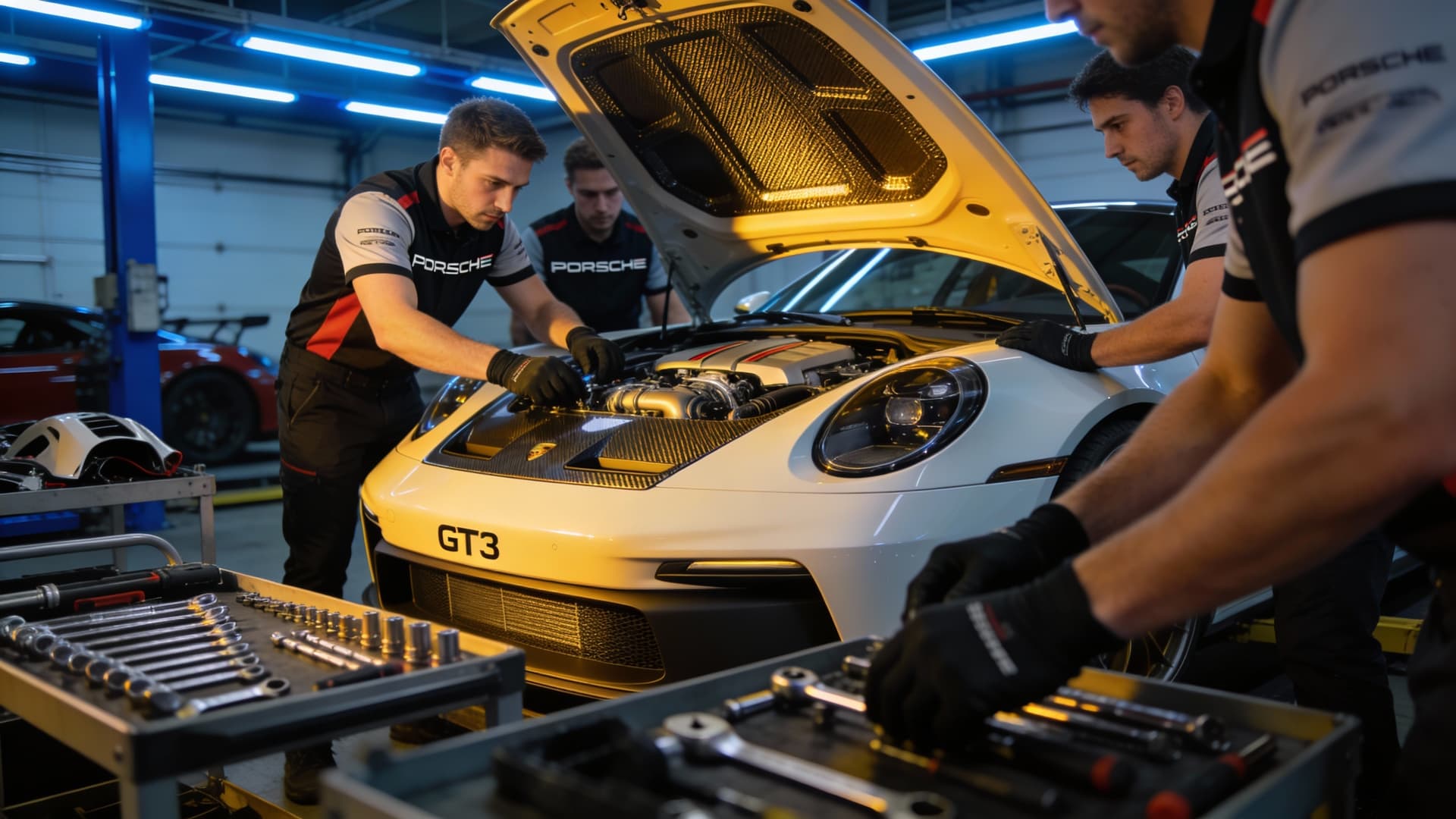
Everyone claims to be a Porsche specialist. The phrase has been stretched so thin it barely means anything anymore. A shop that once fixed a 996 Carrera calls themselves a Porsche expert. A former Audi technician who took a weekend course advertises Porsche specialty service. Without knowing what to look for, owners end up trusting their cars to people who may not have the knowledge or equipment to service them properly.
The consequences range from inconvenient to catastrophic. Improper service can mean missed problems that become expensive failures, damage from incorrect procedures, or simply overpaying for work that doesn't need to be done. Finding the right mechanic isn't about proximity or the nicest waiting room—it's about protecting a significant investment and ensuring your car performs the way it should. For what to evaluate in any specialist, see our guide to choosing a Porsche specialist.
What Actually Separates the Best from the Rest
Credentials matter, but not in the way most people think. A wall full of certificates doesn't guarantee competence, and some of the best Porsche technicians I've worked with earned their expertise through decades of hands-on experience rather than classroom hours. That said, certain credentials do indicate a serious commitment to the craft.
Gold Meister certification represents the highest level Porsche offers to technicians. Earning it requires hundreds of hours of factory training, comprehensive testing across all vehicle systems, and ongoing education to maintain current. Not everyone with this certification is necessarily the best technician for your specific car, but the investment of time and effort required to achieve it demonstrates dedication that counts for something.
Beyond certifications, experience with your specific model matters enormously. A technician who's brilliant with 997 Turbos may have never touched a 964 RS or a Carrera GT. The skills don't transfer automatically. When evaluating a shop, asking how many of your particular model they've serviced reveals far more than general Porsche experience numbers.
The Equipment Question
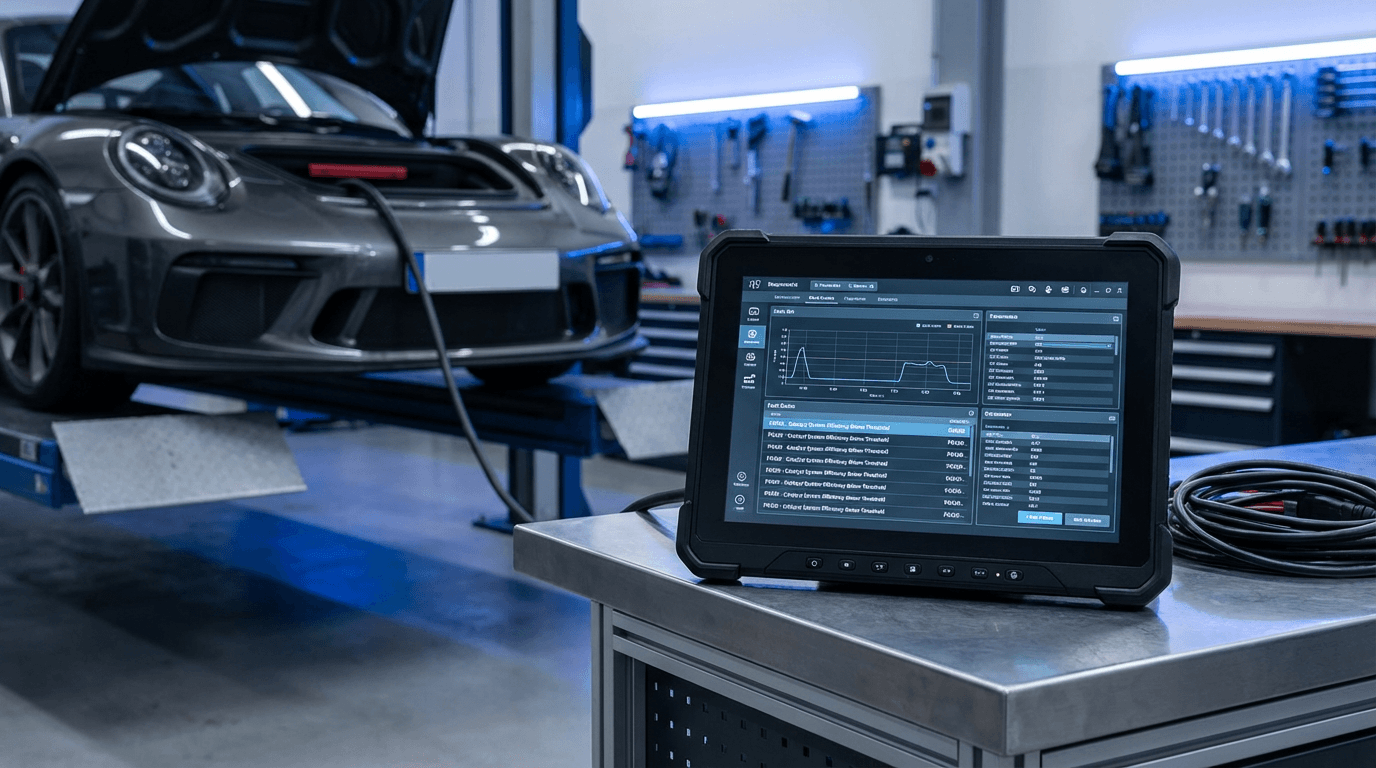
Modern Porsches are as much computer as car. Without proper diagnostic equipment, even an experienced technician is working partially blind. The PIWIS system—Porsche's factory diagnostic platform—can access vehicle systems at a depth that generic scan tools cannot approach. It allows software updates, module programming, and access to the full range of fault codes and live data.
Shops that claim Porsche expertise but lack current PIWIS capability are limited in what they can actually accomplish. They might handle an oil change or brake service just fine, but anything requiring software integration, module coding, or comprehensive diagnostics becomes either impossible or a matter of guesswork.
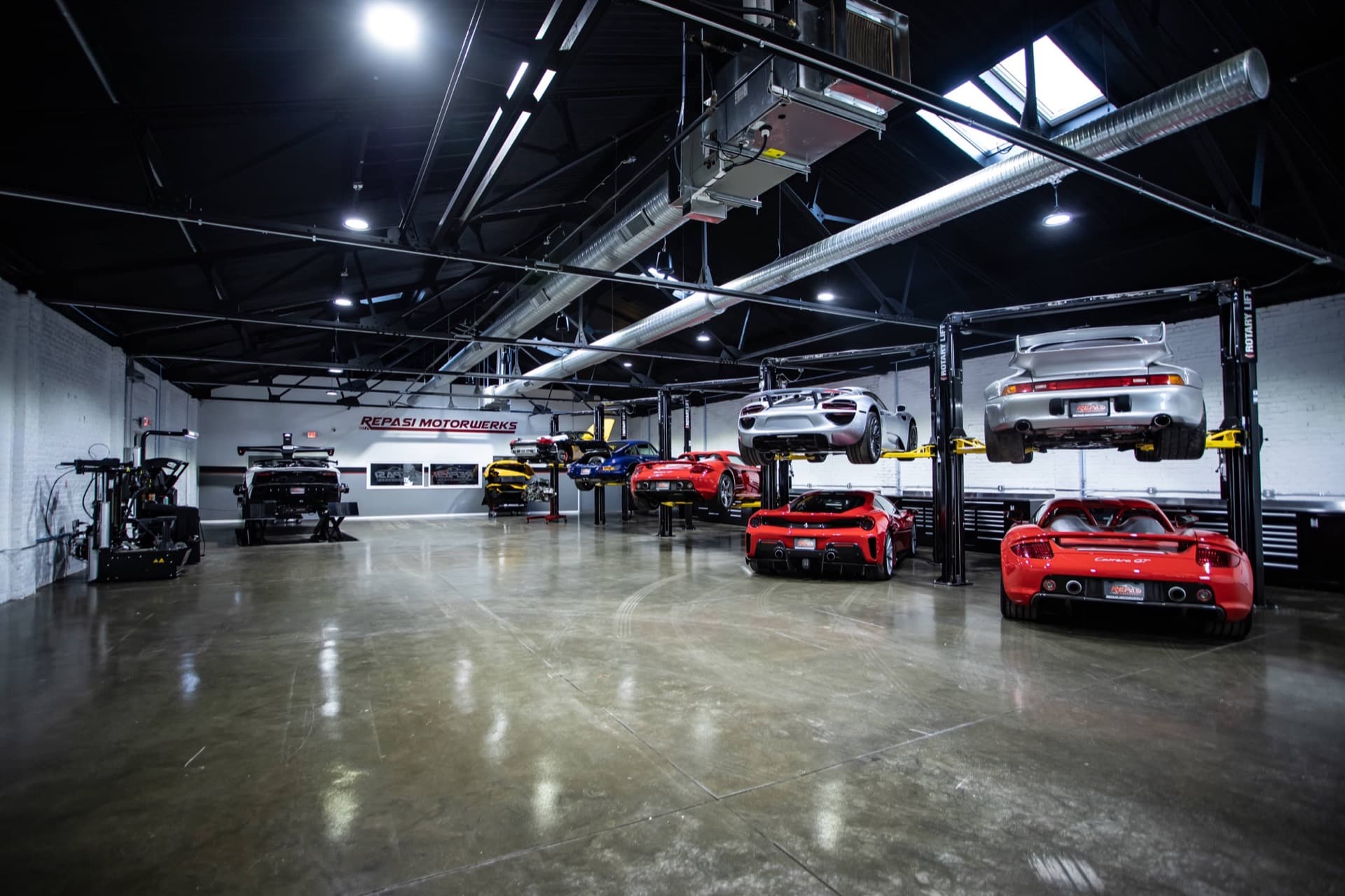
Specialty tools represent another investment that separates serious shops from casual ones. Many Porsche procedures require specific tools that only make sense if you're working on these cars regularly. The cost of maintaining current equipment, software subscriptions, and specialty tools is significant, which is one reason truly capable independent specialists are relatively rare.
Finding the Right Shop
The evaluation process starts with questions, but not the usual ones about hourly rates and turnaround times. Ask about the technicians themselves. What certifications do they hold? How long have they worked specifically on Porsches? What ongoing training do they complete? A shop that can't answer these questions clearly either doesn't know or doesn't want you to know—neither is encouraging.
Ask about equipment directly. Do they have current PIWIS capability? Can they perform software updates and programming? What specialty tools do they have for your model? A confident shop will happily show you their equipment. Hesitation suggests limitations they'd rather not discuss.
Ask about process. Can you talk directly with the technician who works on your car? How do they handle unexpected findings during service? What documentation do they provide? The answers reveal how the shop actually operates, not just how they market themselves.
Most importantly, ask about specific experience with your model. How many have they serviced? What are the common issues they see? Can they provide references from owners of similar cars? A shop that's genuinely expert with your Porsche will have detailed answers. A shop that's bluffing will offer vague generalities.
Warning Signs Worth Heeding
Certain patterns suggest a shop isn't what it claims to be. Shops that advertise expertise in everything—Porsche, BMW, Mercedes, Audi, and domestic cars—rarely excel at any of them. Specialization requires focus. When a shop works on everything, they develop breadth at the expense of depth.
Shops that can't or won't show you their equipment are concealing limitations. Shops that prevent you from speaking with technicians may be hiding the technicians' lack of qualifications—or may have a single capable person surrounded by inexperienced staff.
Pricing that seems too good is usually exactly that. Porsche service requires expensive equipment, specialized training, and specific parts. Shops offering dramatic discounts are cutting corners somewhere, whether in labor, parts quality, or thoroughness of the work.
The Connecticut Landscape
Connecticut offers the full spectrum of Porsche service options. Authorized dealers can perform warranty work and have access to the latest factory training and equipment. They also charge premium rates, often feel impersonal, and may decline to work on certain older or exotic models that don't fit their typical workflow.
Independent specialists—shops that focus exclusively or primarily on Porsches—represent the middle ground. Many are staffed by former dealer technicians who left for the independence and the ability to build real relationships with clients. Pricing typically runs thirty to forty percent below dealer rates, with more personal attention. The variable is equipment and expertise, which ranges from fully capable to limited.
General German car shops can handle basic maintenance at lower costs but rarely have the Porsche-specific knowledge or diagnostic capability for anything beyond routine service. For oil changes and basic inspections, they may be adequate. For anything requiring real expertise, they're a compromise that can become expensive if problems get missed.
Finding the Right Fit for Your Car
The right shop depends partly on what you drive. Routine service on a modern Cayenne or Macan requires different capabilities than maintaining a GT3 RS or servicing a Carrera GT. Air-cooled classics need technicians who understand mechanical fuel injection, carburetors, and systems that predate computer control entirely.
For GT cars and anything with a Mezger engine, seek shops with specific track car experience. These vehicles have unique maintenance requirements that go beyond standard Porsche knowledge. The technician who's excellent with a Panamera may never have touched a car designed for motorsport use.
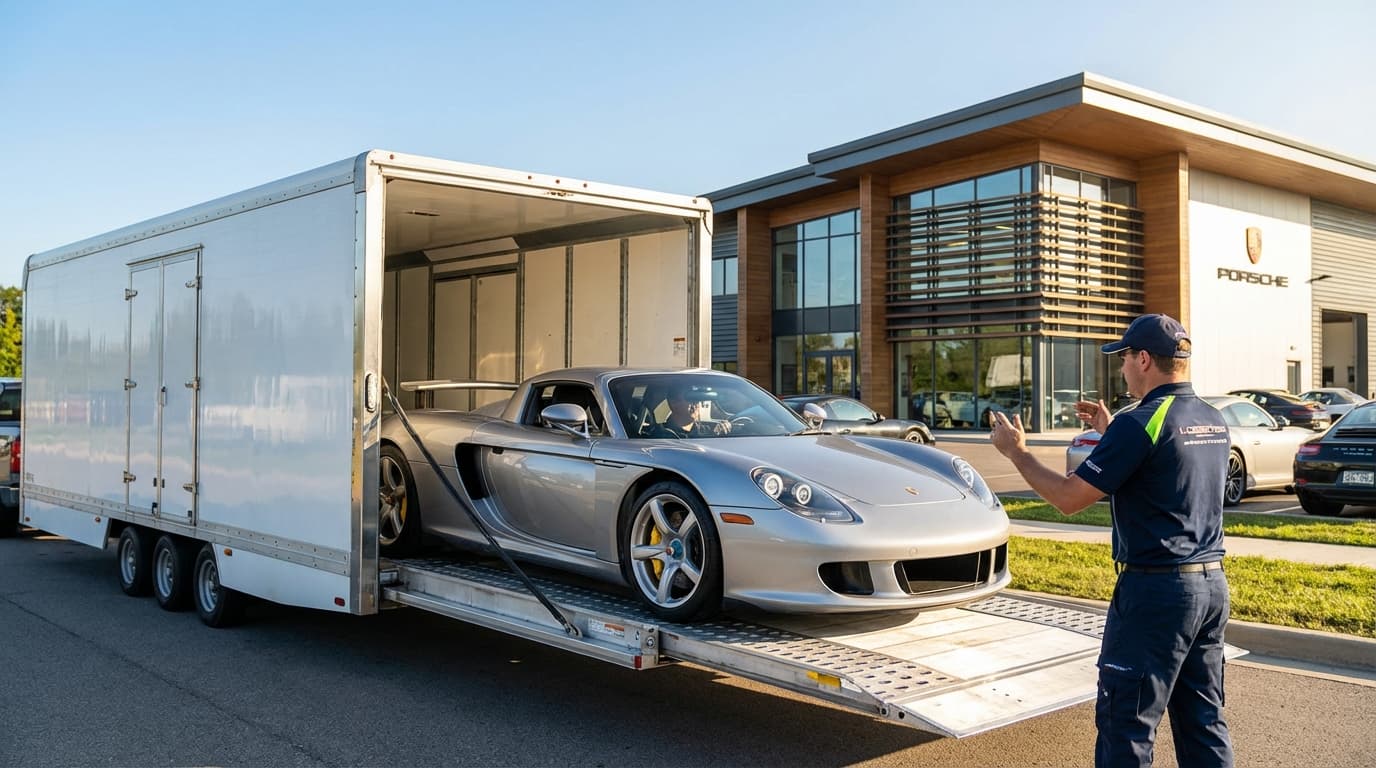
For exotics like the Carrera GT or 918 Spyder, the pool of truly qualified shops shrinks dramatically. Very few independents have the training, equipment, and experience to work on these cars properly. Demonstrated expertise matters enormously—these aren't vehicles where you want someone learning on your car.
What Good Service Looks Like
When you find the right shop, the experience differs noticeably from mediocre service. Communication happens directly with the person working on your car, not through layers of service advisors. Recommendations come with explanations that make sense, not pressure tactics or vague warnings. Documentation includes photographs showing what was found and what was done.
Good shops treat your car like the significant investment it is. They document everything in ways that protect future value. They tell you what your car actually needs, not what would be most profitable to sell you. They build relationships because they understand that trust is earned over time.
Finding that shop takes effort, but the difference in ownership experience makes it worthwhile. The right mechanic becomes a partner in maintaining something you care about. The wrong one becomes an expensive lesson in why quality matters.
Looking for a Porsche specialist in Connecticut? Contact Repasi Motorwerks in Stratford. Our Gold Meister certified technicians work exclusively on Porsches—from air-cooled classics to current GT cars. We'll show you exactly what we do and how we do it.