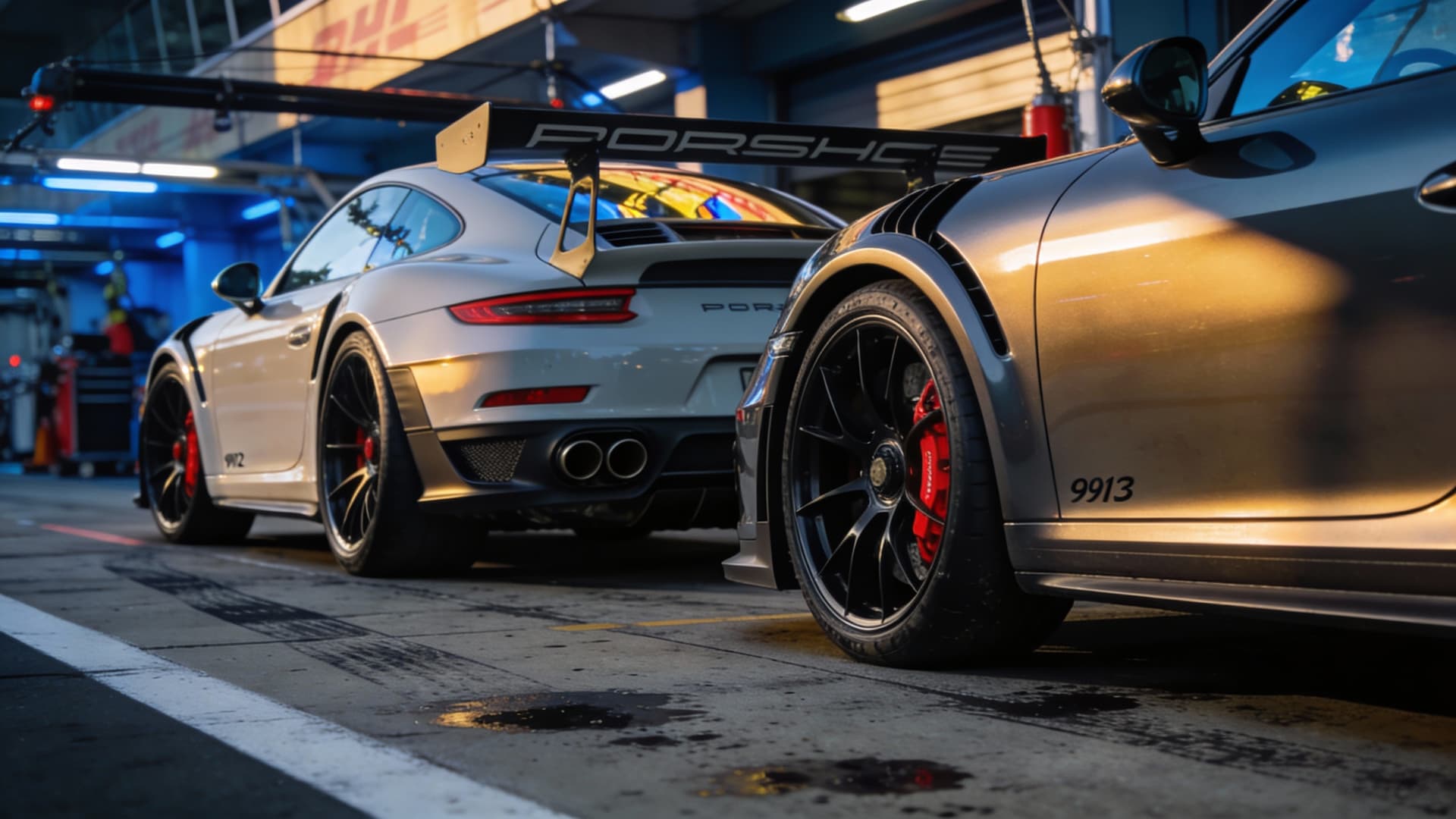
The 992 GT3 arrived carrying expectations that would crush most cars. The 991.2 GT3 it replaced had earned a reputation as one of the finest driver's cars ever built—a naturally aspirated, high-revving masterpiece that somehow managed to be both devastatingly fast on track and genuinely usable on the street. Following that act required Porsche to get everything right.
Having serviced both generations extensively at Repasi Motorwerks, I can tell you that both cars deliver. The question isn't which is better in absolute terms—it's which better suits what you want from a GT3. Our Ultimate GT3 Owner's Guide covers every generation from the 996 through the 992.
What Changed and What Didn't
The fundamentals carry over between generations. Both use naturally aspirated 4.0-liter flat-six engines derived from Porsche's motorsport program. Both rev to 9,000 RPM. Both offer the choice between a six-speed manual and seven-speed PDK. Both weigh within a few pounds of each other. Both achieve roughly the same acceleration and top speed figures.
The 992 makes slightly more power—510 horsepower versus 500—and slightly more torque, hitting these peaks at slightly higher RPM. Zero to sixty improves by about two tenths of a second. Top speed gains a single mile per hour. On paper, these differences barely register.
Where the generations diverge meaningfully is in engineering philosophy and execution.
The Suspension That Changes Everything
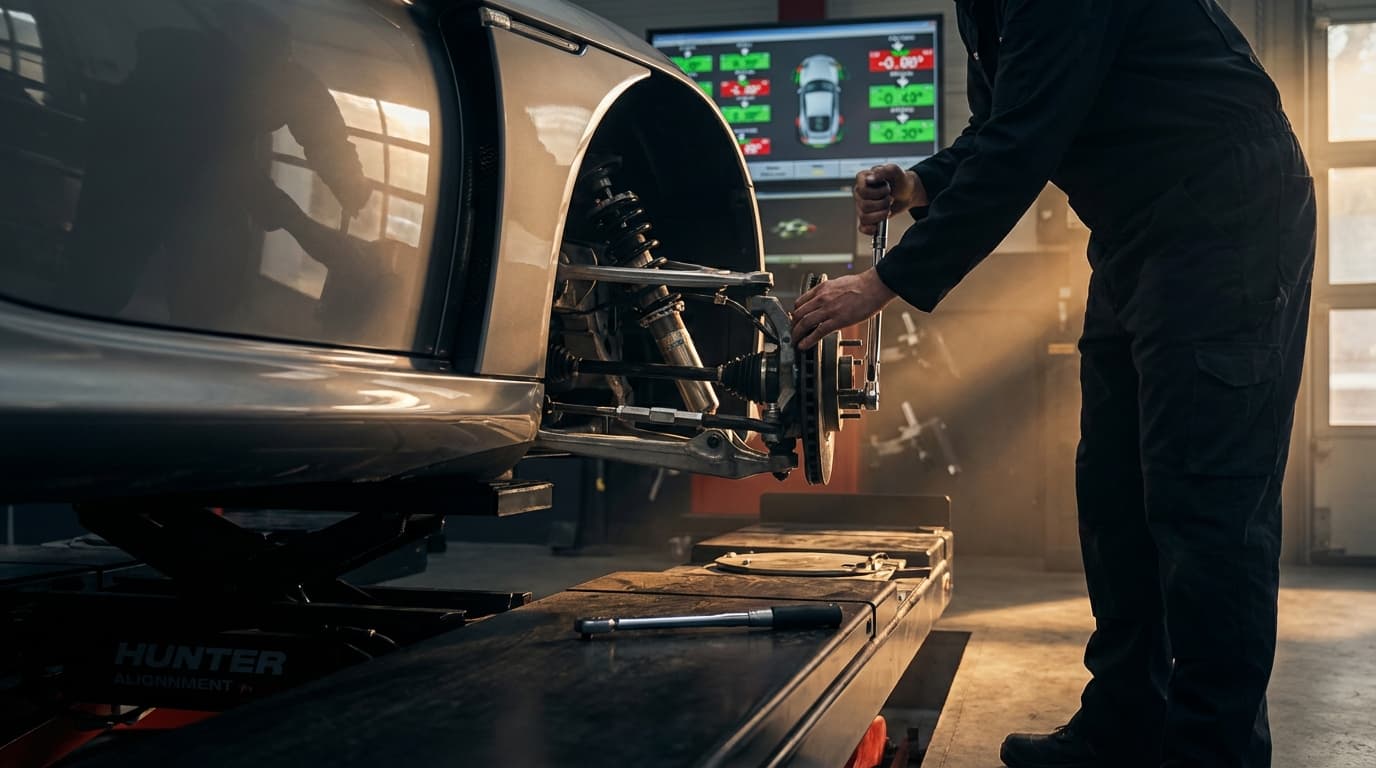
The 992 GT3's double-wishbone front suspension represents the most significant engineering evolution between these generations. Previous 911s, including the 991.2 GT3, used MacPherson strut front suspension adapted from the base 911 platform. The 992 GT3 borrows from motorsport, adopting double wishbones that fundamentally alter the car's character.
What does this mean in practice? The 991.2 GT3's front end feels planted and predictable, with steering that communicates grip levels clearly. It's an excellent chassis by any measure, refined through generations of evolution.
The 992 GT3's front end feels transformed. Turn-in is sharper—the car responds to steering input with an immediacy that the strut-type suspension can't match. Steering feedback is more detailed, revealing more about what the front tires are doing. Ultimate grip is higher because the double-wishbone geometry allows greater negative camber for cornering without the compromises that struts impose.
For track-focused owners, this evolution matters enormously. The 992 carries more speed through corners, inspires more confidence at the limit, and rewards precise driving in ways that the 991.2 couldn't quite match. It's measurably faster on track, with differences that skilled drivers feel immediately.
For street driving, the differences are subtler. Both cars feel incredibly capable. The 992 is sharper; the 991.2 is perhaps slightly more approachable. Neither disappoints.
How the Engines Differ
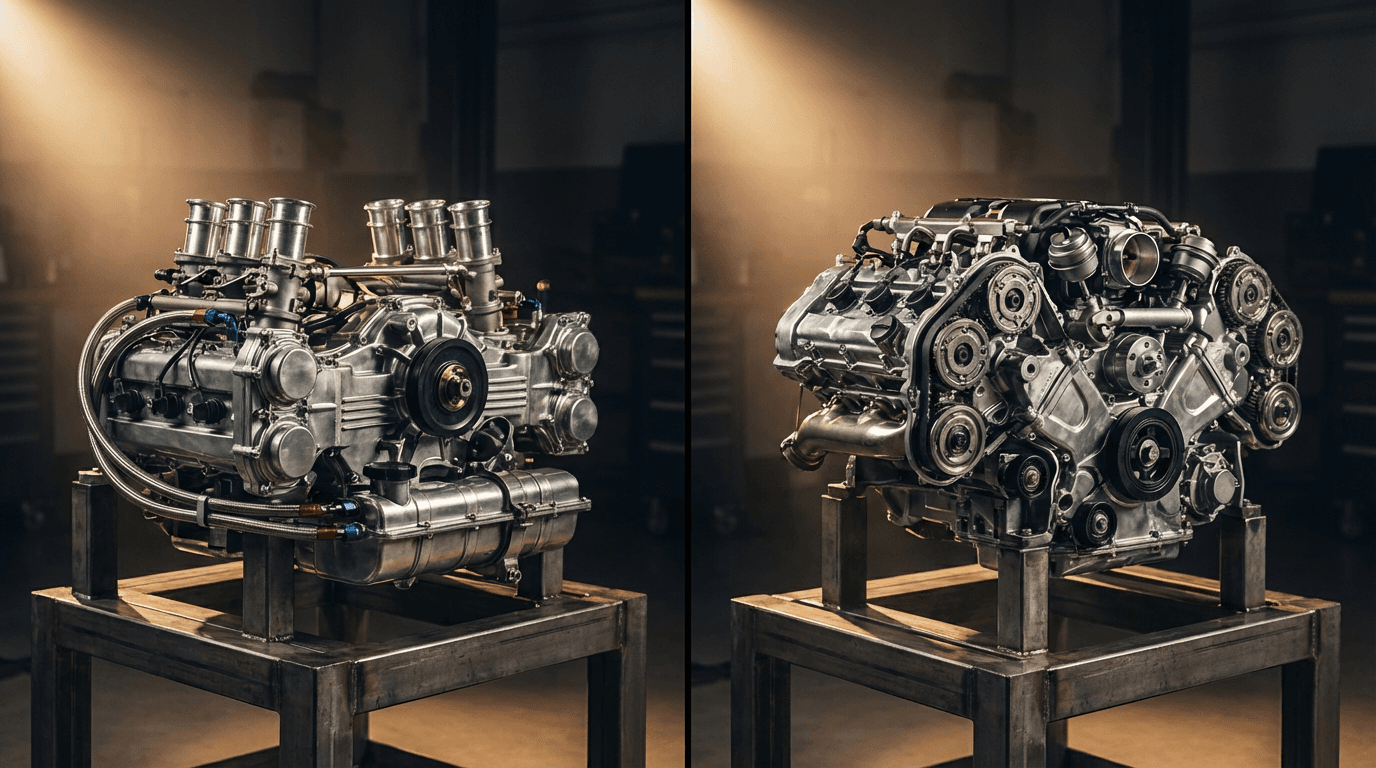
Both engines are magnificent—naturally aspirated flat-sixes that rev toward 9,000 RPM with the kind of mechanical intensity that turbocharging fundamentally changes. But the 992 engine shows refinement in areas that experienced drivers notice.
The intake system evolved. The 992 uses individual throttle bodies with optimized runner lengths, creating marginally sharper response and stronger pull at high RPM. You might not notice this in casual driving, but at full attack, the 992 feels more urgent as it approaches redline.
The exhaust system was redesigned. The 992 is louder at full throttle—more visceral, more exciting—while maintaining acceptable cruise noise. The character leans more toward motorsport without becoming antisocial.
Internal refinements reflect lessons learned from 991.2 production. No major reliability concerns have emerged with either generation, but the 992 incorporates component updates that should serve long-term durability well.
Living With Each Generation
Both cars work as daily drivers in ways that dedicated track cars shouldn't. The compromises are there—firm ride quality, road noise, occasional scrapes over speed bumps—but they're manageable for owners willing to accept them.
The 992 has advantages in this regard. Updated PCM infotainment replaces the aging system in the 991.2. Standard front-axle lift eliminates the need to crawl into driveways. Climate control and convenience features reflect current expectations rather than mid-2010s standards.
The 991.2 counters with a simpler feel. Less electronic intervention, less complexity, more direct connection between driver inputs and car responses. Some owners prefer this analog character; others see it as dated.
Fuel economy is similar—expect fifteen to eighteen miles per gallon in mixed driving with either car, worse on track, better on highway cruises. Both require premium fuel. Both consume some oil under spirited driving. Both demand the same attention to maintenance.
What Maintenance Looks Like
Ownership costs are essentially identical between generations. Annual service runs twenty-five hundred to four thousand dollars. Brake pads cost twelve hundred to two thousand when needed. Manual transmission clutches run four to six thousand for replacement. Major service at forty thousand miles adds four to six thousand beyond annual items.
No generation-specific problems have emerged that would shift the maintenance equation. Both cars use proven, refined engines. Both have electronic systems that age predictably. Both require the same careful attention to brake fluids, suspension components, and drivetrain maintenance.
If anything, the 992's double-wishbone front suspension adds complexity that the simpler 991.2 struts don't have. More adjustment points mean more to check during alignments. More components mean more potential wear items long-term. But this hasn't translated into higher actual costs yet—the engineering is too good.
The Market Reality
Values tell their own story. 991.2 GT3s have appreciated since new, with clean examples commanding strong premiums. The 992 GT3 faces market adjustments that all new cars experience, though demand has remained high enough to support values well.
Allocation-holder owners paid MSRP for their 992 GT3s—around ,000 to start—though actual transaction prices often exceeded ,000 during the car's initial allocation period. 991.2 GT3s now trade in similar ranges depending on mileage and specification.
As investment propositions, both generations seem sound. The 991.2 represents proven collectibility; collectors understand what they're buying. The 992 represents technical advancement that future collectors may value highly. Neither choice seems obviously wrong.
Which Should You Choose?
Choose the 991.2 GT3 if you prefer analog character over ultimate capability. If you want the car that's easier to sense at the limit. If you're buying for the driving experience first and track performance second. If you want a car that's already proven its long-term reliability. If depreciation concerns matter less because initial depreciation has largely occurred.
Choose the 992 GT3 if track performance is your priority. If you want the sharpest front end Porsche has ever put on a street-legal 911. If updated technology and daily-driver refinements matter to you. If you're buying the car you'll keep for decades and want the most recent engineering. If you believe the double-wishbone suspension represents the future of 911 development.
Either choice rewards you with one of the finest driver's cars money can buy. The GT3 formula—naturally aspirated power, high-revving engine, manual transmission option, track-focused chassis—works in both generations. Your preference determines which version of that formula you prefer.
Questions about GT3 ownership? Contact Repasi Motorwerks in Stratford, Connecticut. We service both generations and can help you understand what each car needs—whether you're buying, maintaining, or preparing for track use.