The call never comes casually. Something has changed in the engine's character—oil consumption that wasn't there before, a compression test that shows worrying variation, metal particles in an oil analysis that shouldn't be present. The GT3 RS owner on the other end of the line already suspects what's coming. The question is whether it's as serious as feared, and if so, what it will take to make things right.
Most GT3 RS engines never need rebuilding during typical ownership. These are robust engines designed for sustained high-RPM operation, and many examples exceed a hundred thousand miles without major intervention. The naturally aspirated flat-sixes in these cars—whether the 4.0-liter in 991 models or the current 992 generation—represent some of Porsche's finest engineering. But circumstances arise where the engine requires attention that goes beyond routine maintenance. Understanding what that means, what it costs, and what the process entails helps owners navigate a situation no one wants to face. For comprehensive GT3 maintenance guidance, see our Ultimate GT3 Owner's Guide.
When the Conversation Begins
The symptoms that suggest engine work is needed vary in urgency. Oil consumption that has increased beyond a quart per thousand miles warrants investigation. Compression variation of more than ten percent between cylinders indicates problems that won't resolve themselves. Metal particles visible in drained oil or detected through laboratory analysis demand immediate attention. Bearing noise—particularly knocking at startup—requires urgent response before small problems become catastrophic ones.
Not every symptom leads to complete rebuild. Early detection often allows targeted repairs that address specific issues without full disassembly. The key is proper diagnosis before jumping to conclusions that may not be warranted.
The Engines Themselves
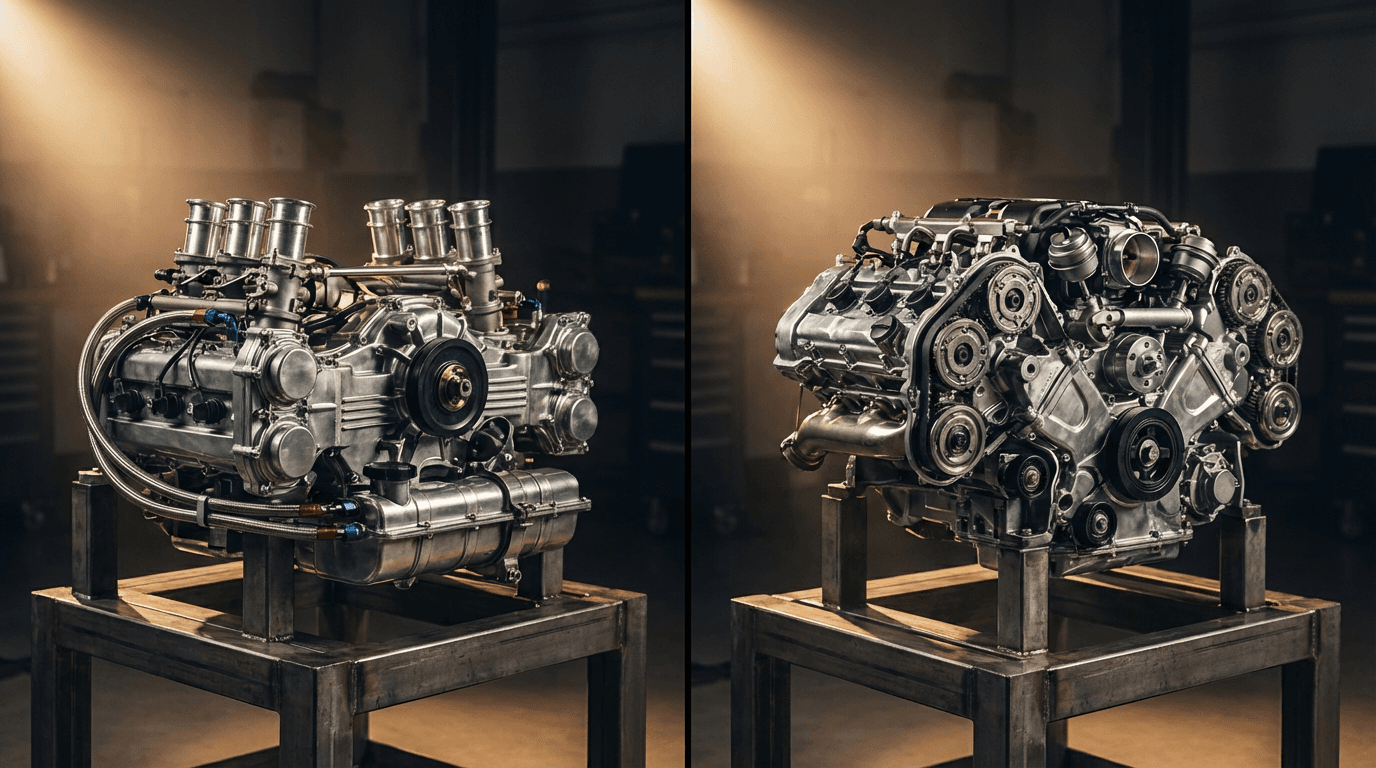
The 991.1 GT3 RS introduced in 2016 uses a 4.0-liter naturally aspirated flat-six producing 500 horsepower at 8,250 RPM. This engine shares its basic architecture with the 991.1 GT3 but carries RS-specific tuning for its application. Compression runs 12.9:1 with an 8,800 RPM redline, and dry sump lubrication with a front-mounted tank ensures oil supply under extreme lateral loads.
The 991.2 GT3 RS that followed received an updated engine producing 520 horsepower at the same 8,250 RPM. Compression climbed to 13.3:1 with a 9,000 RPM redline. Individual throttle bodies improved response. This version represents the final development of the 991-generation GT3 RS powerplant.
The current 992 GT3 RS uses a further developed 4.0-liter producing 518 horsepower at 8,500 RPM. The focus shifted toward throttle response and high-RPM power delivery, with a revised intake system contributing to the character that defines this generation.
What Rebuild Actually Involves
A complete GT3 RS engine rebuild is not a weekend project. It's a multi-week undertaking involving complete disassembly, comprehensive inspection, precision machining where needed, and meticulous reassembly. The process moves through distinct phases, each with its own timeline and considerations.
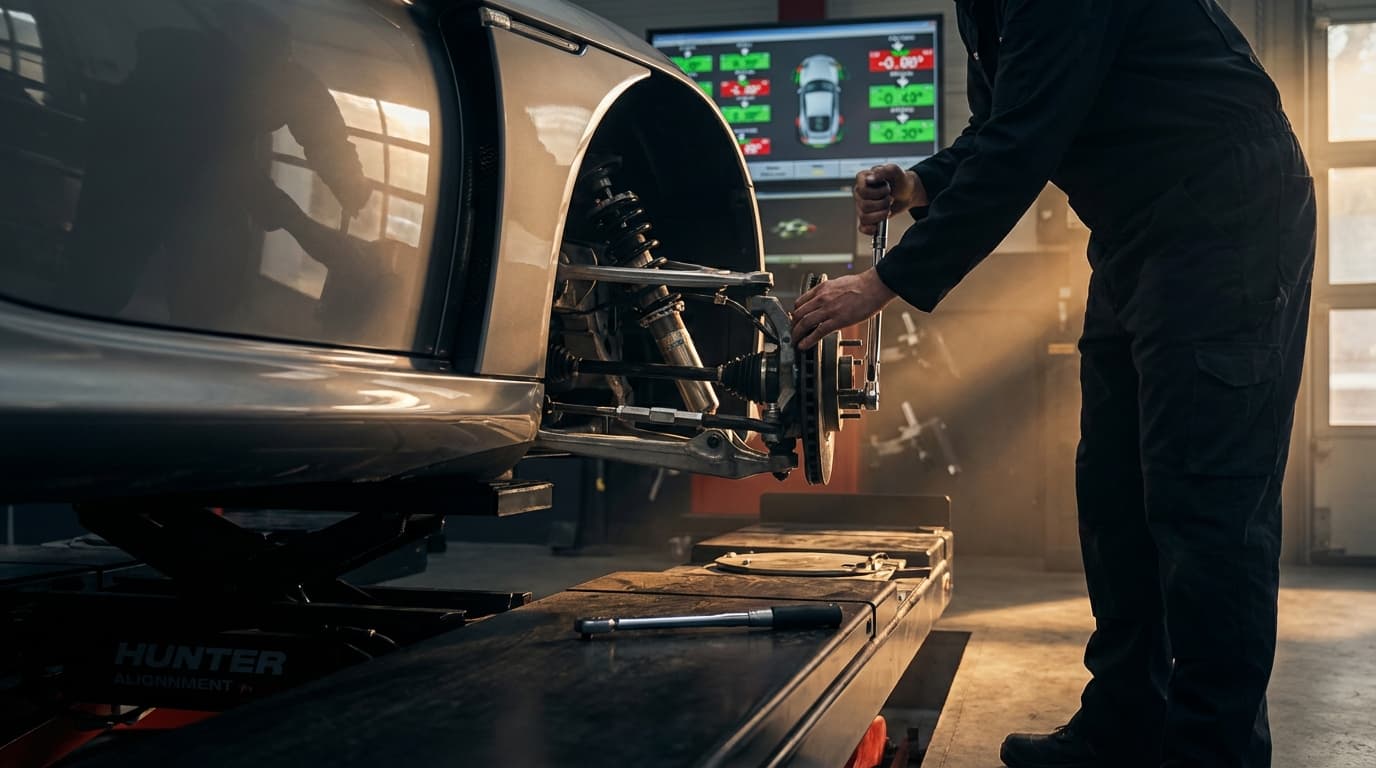
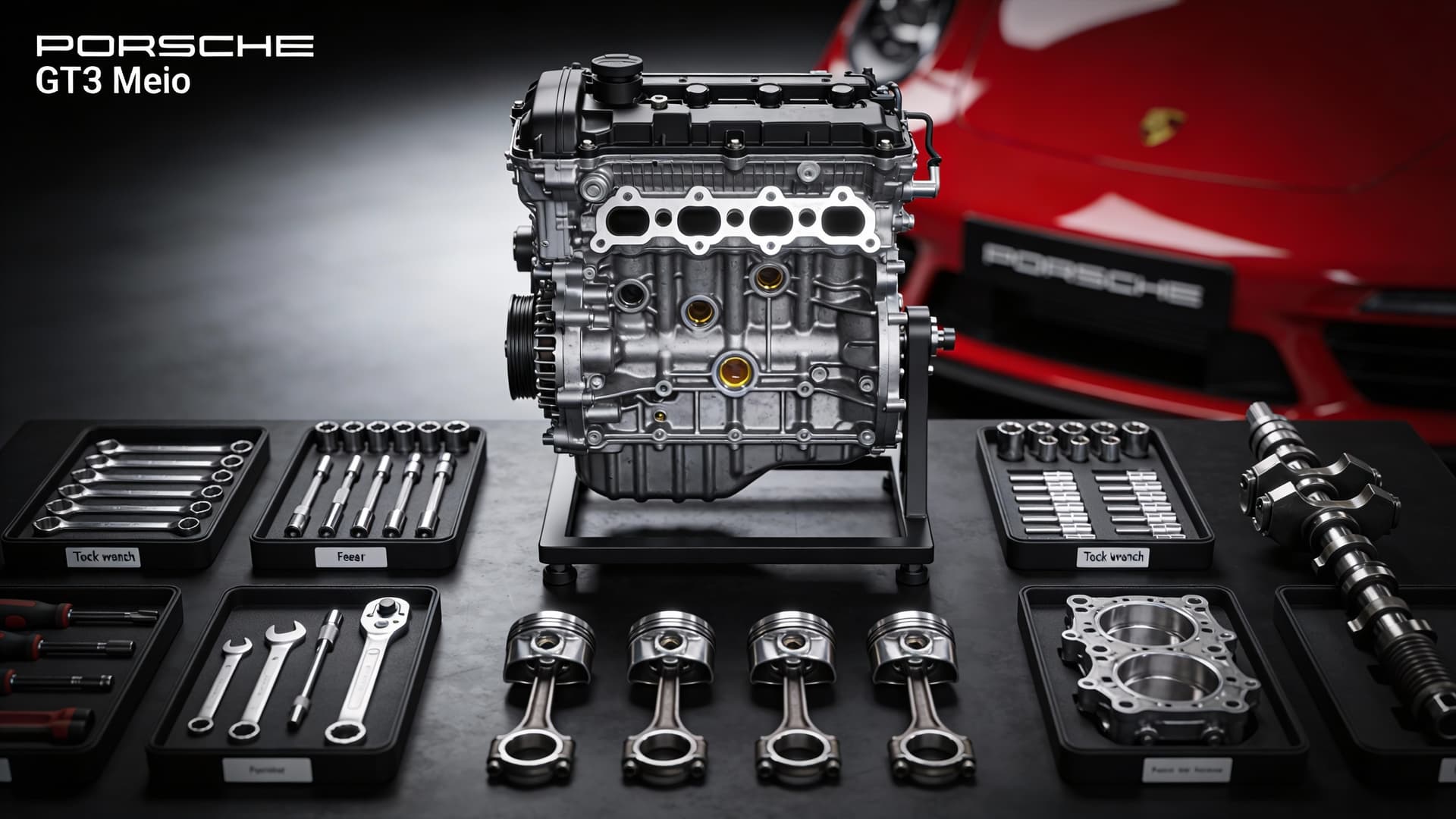
Engine removal requires careful extraction from the mid-rear engine bay, disconnecting exhaust, intake, accessories, and engine mounts while avoiding damage to carbon body components. Once on the stand, disassembly proceeds methodically—cylinder heads come off, the crankcase separates, and every component gets catalogued and photographed. This documentation serves multiple purposes: providing reference for reassembly, recording component condition, and creating the paper trail that protects provenance.
Inspection reveals what the rebuild actually requires. Crankshaft journals get measured for wear and checked for runout. Cylinders get measured at multiple points for wear, roundness, and surface condition. Cylinder heads undergo examination for valve seat condition, guide wear, and camshaft bearing surfaces. Connecting rods get measured for bearing surface wear and big end roundness. Every measurement gets recorded against factory specifications.
Machining follows inspection findings. Cylinder honing is essentially always required. Boring and replating become necessary when wear exceeds acceptable limits. Crankshaft grinding addresses journal wear. Head resurfacing corrects warpage. Valve jobs restore sealing. Some of this work happens in-house; some goes to specialty machine shops with GT3-specific experience. Not every machinist can work to the tolerances these engines require.
Reassembly reverses the process with the precision these engines demand. Main bearings install with proper clearances. The crankshaft goes in following the specified torque sequence. Connecting rods install with new bearings. Cylinders go on with properly gapped rings. Cylinder heads follow with fresh gaskets and correct stud torque. Camshafts install and get timed. The entire assembly proceeds step by step, each fastener receiving the specified torque, each clearance verified against specification.
Testing and break-in complete the process. Initial start confirms oil pressure and checks for leaks. The break-in procedure maintains controlled RPM limits for the first several hundred miles, followed by an oil change and gradual increase toward normal operating range. Performance verification confirms the rebuild achieved its objectives.
What the Numbers Look Like
Complete rebuild costs vary based on what inspection reveals, but realistic ranges help with planning.
A standard rebuild where the core components remain serviceable typically runs between twenty-five and forty thousand dollars. This includes labor for removal, rebuild, and reinstallation, gaskets and seals, bearings, piston rings, necessary machine work, hardware, and consumables. The range reflects variation in machine work requirements and specific findings during inspection.
When inspection reveals damaged components requiring replacement—a cracked crankshaft, scored cylinders, damaged connecting rods—costs climb significantly. Crankshafts run five to twelve thousand depending on source and condition. Connecting rod sets cost three to five thousand. Piston sets run four to seven thousand. Rebuilt cylinder heads cost six to ten thousand. A rebuild requiring significant parts replacement can exceed sixty thousand dollars.
This is why proper diagnosis before disassembly matters. Sometimes a used engine from a wrecked vehicle or a Porsche exchange unit makes more economic sense than rebuilding a heavily damaged core. Honest assessment of all options protects owners from surprises that proper planning would have revealed.
Timeline Reality
GT3 RS engine rebuilds don't happen quickly. Realistic timelines span eight to fourteen weeks depending on what the engine needs and parts availability.
Removal and disassembly take one to two weeks. Inspection and measurement require roughly a week. Machining runs two to three weeks depending on what's needed and machine shop scheduling. Parts procurement can add one to four weeks depending on availability—some components require extended lead times, especially for older 991 models. Reassembly takes two to three weeks. Testing and break-in add another week.
Throughout the process, communication matters. Owners deserve updates on what inspection finds, what the implications are, and how findings affect timeline and cost. We provide that transparency because surprises serve no one's interests.
Alternatives Worth Considering
Complete rebuild isn't always the answer. Depending on the problem, targeted repairs may address the issue at significantly lower cost.
Oil consumption from worn valve seals can often be resolved with top-end work in the five to eight thousand dollar range without touching the bottom end. Single cylinder work, when the problem is isolated, runs eight to fifteen thousand. Timing chain tensioner issues can be addressed for three to five thousand.
Engine replacement sometimes makes more sense than rebuilding a heavily damaged unit. Used engines from wrecked vehicles trade in the forty to eighty thousand dollar range depending on mileage and condition. Porsche exchange engines cost forty-five to seventy thousand plus core deposit. For an engine with extensive damage, replacement may be the more economical path.
Choosing the Right Shop
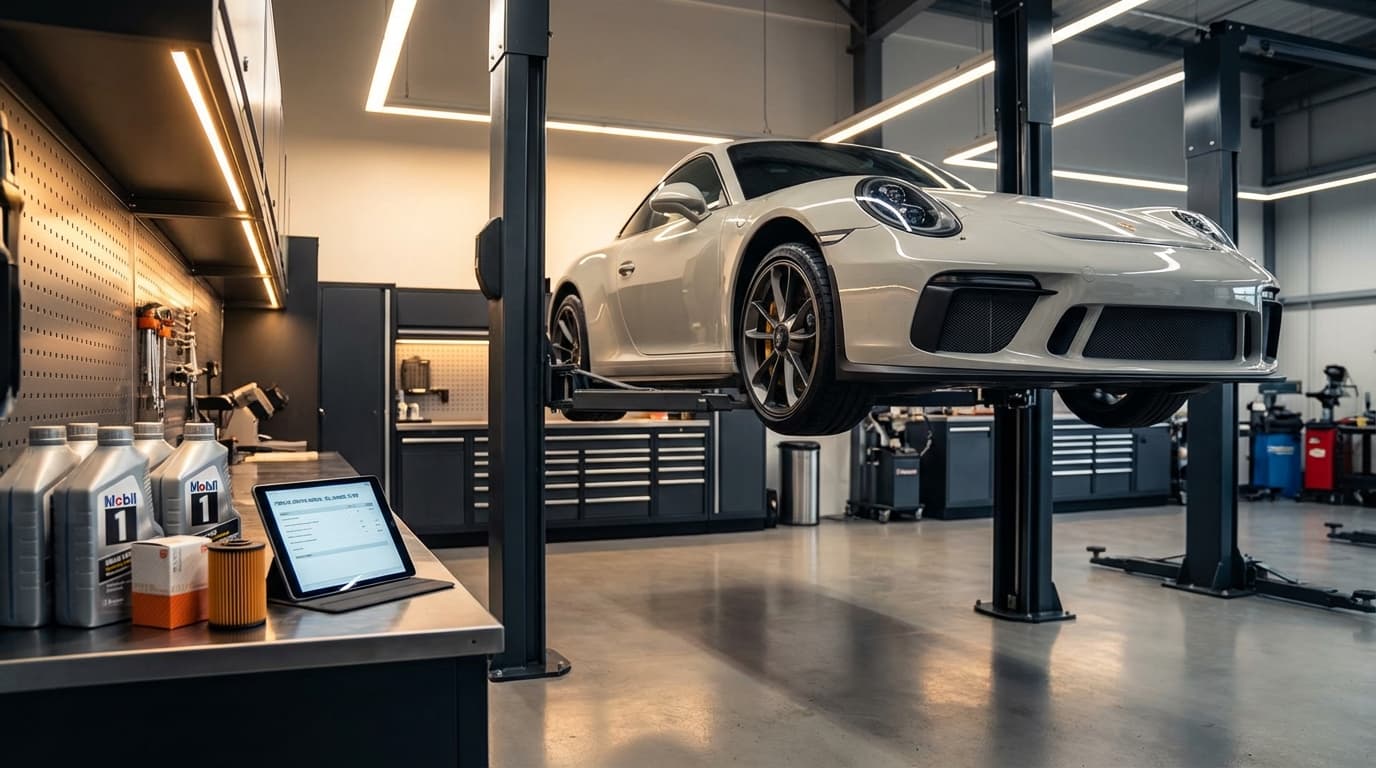
GT3 RS engine rebuilds should only happen at shops with specific qualifications. Experience with these particular engines matters—the skills don't transfer automatically from other Porsche work. Precision measurement equipment must be available and properly calibrated. Relationships with specialty machine shops provide access to capabilities that general engine shops may lack. Factory service information, proper torque tooling, and appropriate insurance coverage round out the requirements.
Ask direct questions. How many GT3 RS engines has the shop rebuilt? What measurement equipment do they use? Who performs their machine work? What warranty do they provide? Can they provide references from previous clients? The answers reveal whether the shop's capabilities match the work's demands.
Facing GT3 RS engine concerns? Contact Repasi Motorwerks in Stratford, Connecticut. We'll provide honest assessment of what your engine needs and what the options are—before any decisions get made.