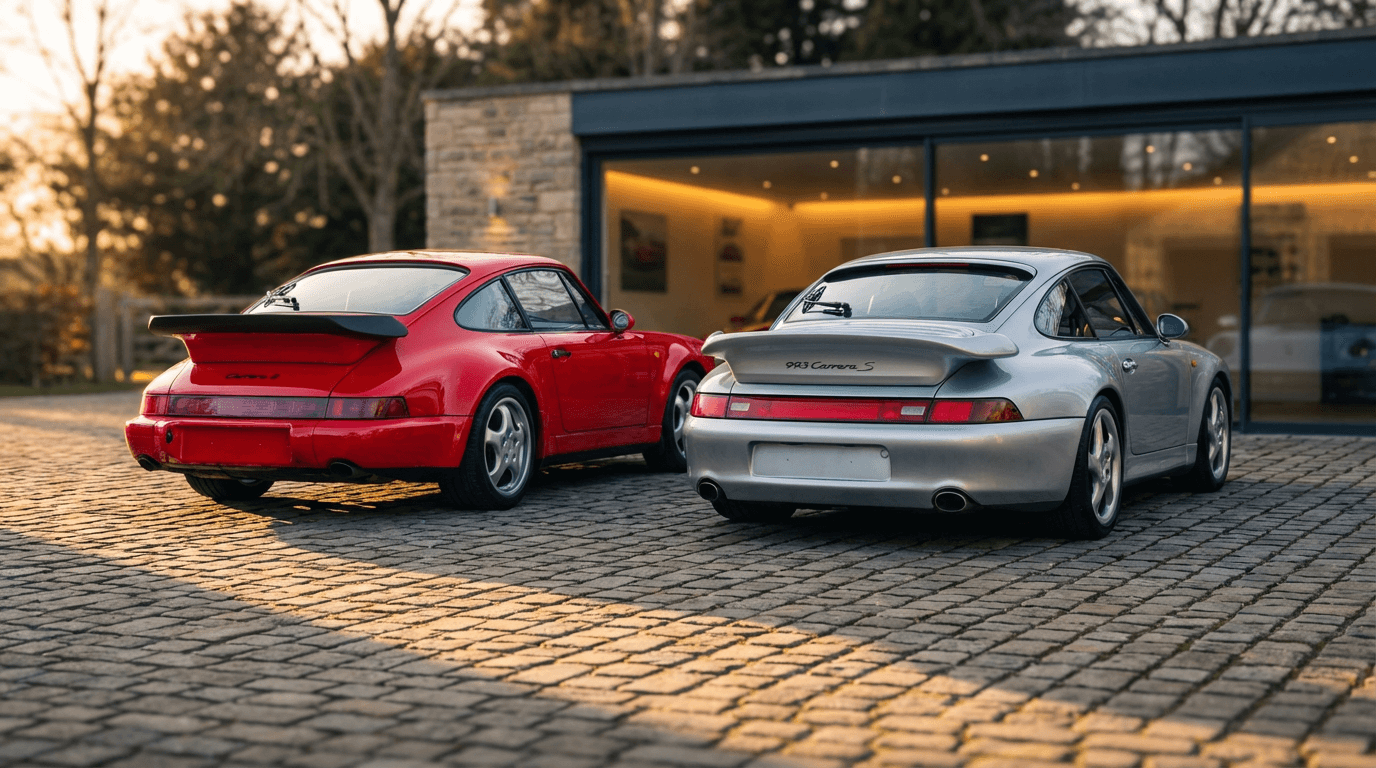
The 964 and 993 represent the final evolution of the air-cooled 911. Both are desirable, both are appreciating, and both offer an ownership experience that modern Porsches can't replicate. But they're meaningfully different cars, and choosing between them depends on what you value most in driving, ownership, and long-term investment.
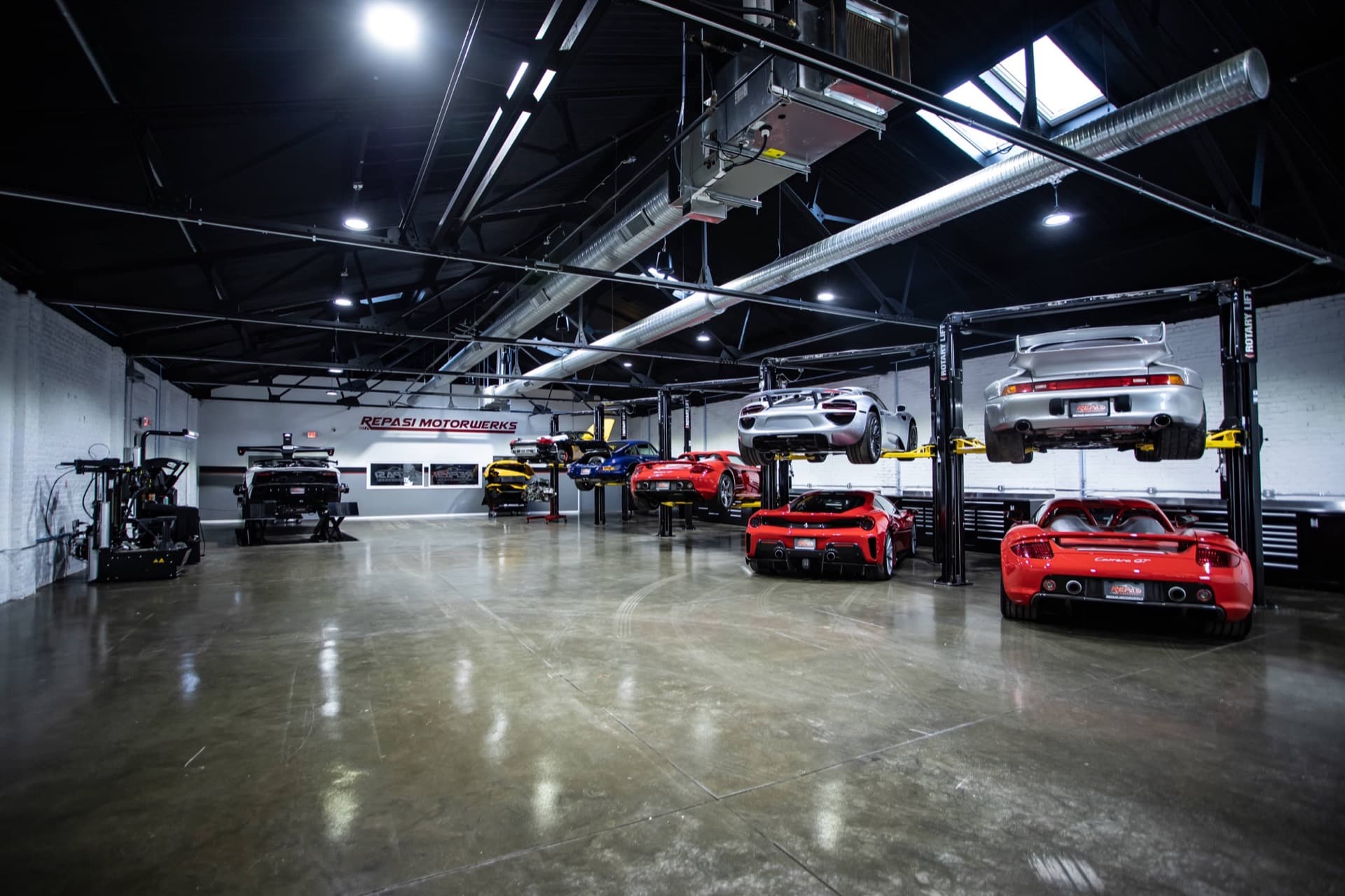
At Repasi Motorwerks, we service both generations regularly and have helped many clients navigate this exact decision. This comparison draws on our hands-on experience with these cars — the issues we see, the maintenance they require, and how they age over time.
For a comprehensive overview of air-cooled Porsche maintenance, see our Air-Cooled Porsche Service Guide.
The Cars at a Glance
Porsche 964 (1989-1994)
The 964 was a dramatic modernization of the 911. It retained the air-cooled flat-six but added modern features that made it significantly more usable than the preceding 3.2 Carrera.
Key specifications (Carrera 4/2):
- Engine: 3.6-liter air-cooled flat-six, 250 hp
- Transmission: 5-speed manual (G50) or 4-speed Tiptronic
- Features introduced: Power steering, ABS, all-wheel drive (C4), coil spring suspension
- Production: ~63,000 units across all variants
- Turbo variant (965): 3.3L turbo, 320 hp (3.6L turbo, 360 hp from 1993)
Porsche 993 (1995-1998)
The 993 refined everything the 964 started. It's often described as the most beautiful 911 ever produced and represents the pinnacle of air-cooled engineering.
Key specifications (Carrera):
- Engine: 3.6-liter air-cooled flat-six, 272 hp (VarioRam: 285 hp from 1996)
- Transmission: 6-speed manual (G50/20) or 4-speed Tiptronic
- Features: Multi-link rear suspension, improved aerodynamics, refined interior
- Production: ~68,000 units across all variants
- Turbo variant: 3.6L twin-turbo, 408 hp (the iconic 993 Turbo)
Driving Character
964: More Raw, More Connected
The 964 retains more of the classic 911 character. The coil spring suspension (replacing the 911's traditional torsion bars) offers slightly firmer, more communicative feedback. The steering is heavier, the ride is less refined, and the car demands more attention from the driver.
What enthusiasts love:
- More analog feel than the 993
- Lighter overall weight
- Greater sense of mechanical connection
- The 964 RS is one of the purest driver's 911s ever made
What to be prepared for:
- The ride quality is stiffer than the 993
- The C4 system adds weight and complexity
- The interior feels more dated than the 993's refreshed cabin
- Road noise is higher at highway speeds
993: More Refined, Equally Engaging
The 993 smoothed the 964's rough edges without losing the essential 911 character. The multi-link rear suspension transformed high-speed stability, and the VarioRam system (from 1996) added meaningful mid-range torque.
What enthusiasts love:
- The most refined air-cooled driving experience
- Multi-link rear suspension dramatically improved stability
- VarioRam (1996+) provides noticeably better mid-range response
- Interior quality and comfort approach modern car standards
What to be prepared for:
- Slightly more insulated from the road than the 964
- Heavier than the 964 (especially C4S and Turbo)
- The refinement can feel like a loss of character to 964 purists
- Higher purchase price for comparable condition
Maintenance Comparison
Shared Concerns (Both Generations)
Both the 964 and 993 share the fundamental air-cooled flat-six architecture, which means they share many maintenance concerns:
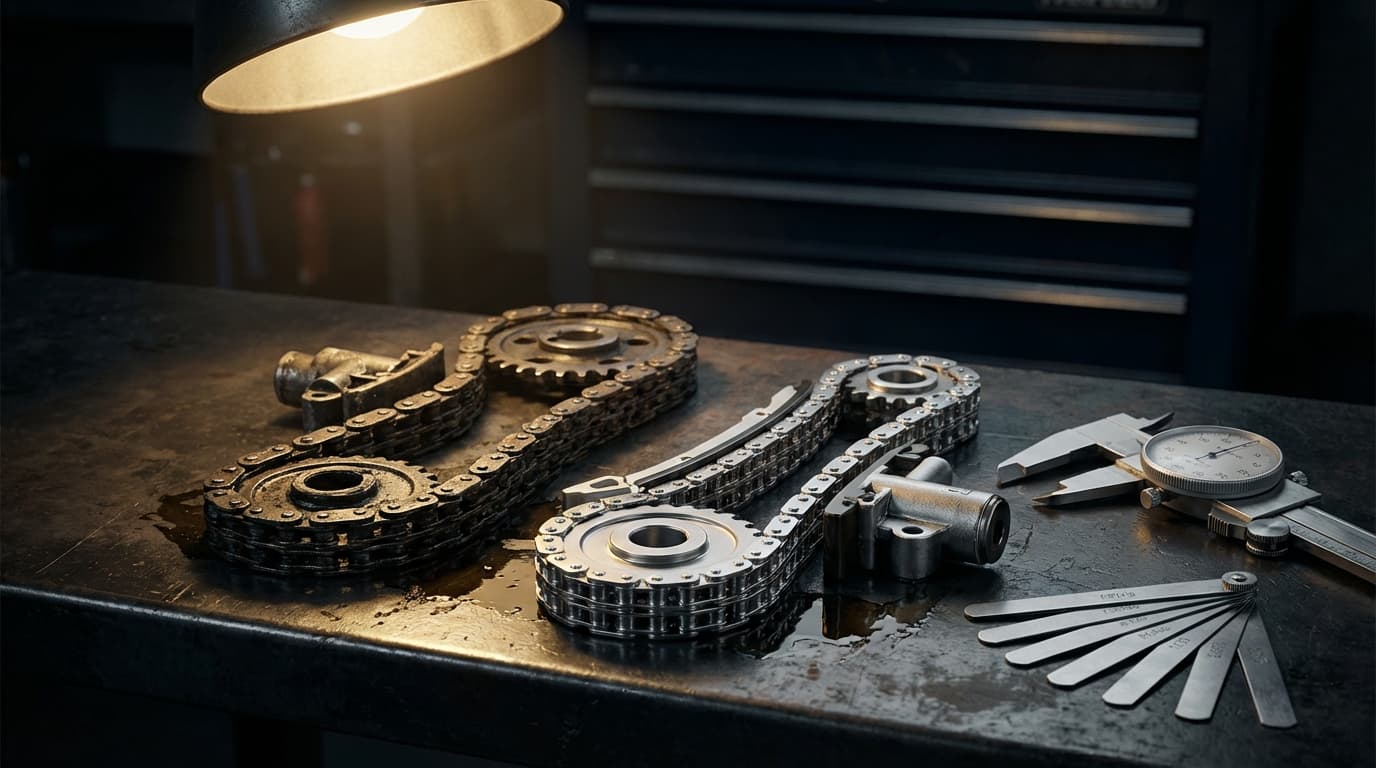
- Chain tensioner monitoring — see our chain tensioner guide
- Valve adjustment every 15,000 miles
- Oil leak management — both generations seep from similar locations
- Cooling system integrity — fan, thermostat, and tin work
- Fuel system maintenance — CIS-E (964) and Motronic (993)
964-Specific Maintenance
Dual-mass flywheel (DMF): The 964 introduced a dual-mass flywheel to smooth drivetrain vibrations. These fail with mileage, producing rattling sounds and vibration. Replacement costs $3,000-$5,000 and is a common repair on higher-mileage examples. Many owners convert to a single-mass flywheel during replacement, which eliminates the failure point at the cost of slightly more drivetrain vibration.
Power steering leaks: The 964's power steering system is prone to leaks at the rack, lines, and pump. Repair costs vary but can run $1,500-$3,000 depending on the source.
Wiring harness degradation: Early 964s (1989-1991) can suffer from wiring insulation breakdown. Symptoms include intermittent electrical issues, warning lights, and sensor failures. A full harness replacement is expensive ($5,000+) but sometimes necessary on heavily affected cars.
ABS module: The early ABS system in the 964 can fail. Rebuilt modules are available but cost $2,000-$3,000. Some owners delete the system entirely.
993-Specific Maintenance
VarioRam system (1996+): The VarioRam intake system uses vacuum-controlled runners to improve mid-range torque. The vacuum lines and actuators can fail with age, causing power loss and engine management lights. Repair is typically $500-$1,500.
Dual-plug ignition: The 993 uses two spark plugs per cylinder (12 total). This improves combustion but doubles the spark plug replacement count and adds complexity to ignition diagnostics.
Hydraulic chain tensioners: Most 993s use hydraulic chain tensioners, which are generally more reliable than the earlier mechanical designs. However, they still require monitoring, and some early 993s have the older-style tensioners.
Multi-link rear suspension: The 993's more sophisticated rear suspension has more components that can wear: additional bushings, ball joints, and linkages. A complete rear suspension refresh on a 993 costs more than on a 964's simpler strut-type design.
Value Trajectories
Both generations have appreciated significantly, but the trends differ.
964 Values
The 964 was undervalued for years as the "ugly duckling" of the air-cooled lineup. That perception has shifted dramatically.
| Variant | Current Range |
|---|---|
| Carrera 2 (manual, good condition) | $80,000-$130,000 |
| Carrera 4 (manual, good condition) | $70,000-$110,000 |
| Turbo (3.3L) | $150,000-$250,000 |
| Turbo (3.6L) | $200,000-$350,000 |
| RS | $300,000-$600,000+ |
| Turbo S | $500,000-$800,000+ |
Trend: Steady appreciation, with rare variants (RS, Turbo S) showing the strongest gains.
993 Values
The 993 has always commanded a premium as "the last air-cooled 911." This premium continues to grow.
| Variant | Current Range |
|---|---|
| Carrera (manual, good condition) | $90,000-$150,000 |
| Carrera S (manual) | $120,000-$180,000 |
| Carrera 4S (manual) | $130,000-$200,000 |
| Turbo | $200,000-$350,000 |
| Turbo S | $400,000-$700,000+ |
| GT2 | $1,000,000-$2,000,000+ |
| RS | $500,000-$1,000,000+ |
Trend: Strong appreciation across the board, driven by "last air-cooled" status. The Turbo and special variants show the strongest growth.
Which Appreciates More?
The 993 currently commands higher prices, but the 964 has shown stronger percentage gains over the past five years. The 964's relative affordability gives it more room for appreciation, while the 993's premium status provides stability.
Insurance and Running Costs
Insurance
Both cars qualify for agreed-value classic car insurance through specialty providers (Hagerty, Grundy, etc.).
- 964: Agreed-value policies typically $1,500-$3,000/year for a $100,000 valuation
- 993: Agreed-value policies typically $1,800-$4,000/year for a $130,000 valuation
Actual rates depend on location, driving history, annual mileage, and storage arrangements.
Parts Availability
964 parts: Good availability for most components. Porsche Classic supplies many OEM parts, and the aftermarket supports the platform well. Some body-specific items (bumpers, trim) can be harder to source.
993 parts: Excellent availability. The 993 benefits from higher production numbers and strong aftermarket support. Porsche Classic has prioritized 993 parts production given the model's popularity.
Making Your Decision
Choose the 964 if you:
- Want a more raw, analog driving experience
- Prefer the entry-level pricing
- Like the idea of a car that rewards driver engagement
- Are comfortable with slightly higher maintenance demands
- Want a car with strong appreciation potential from a lower base
Choose the 993 if you:
- Want the most refined air-cooled experience
- Value rear-end stability (multi-link suspension)
- Plan to use the car more frequently (better daily-driver capability)
- Want the cachet of "the last air-cooled 911"
- Prefer better parts availability and wider specialist knowledge
Either way: Buy the best example you can afford. Condition and documentation matter far more than variant selection in the long run. A pristine, well-documented 964 is a better buy than a rough 993 at the same price.
Pre-Purchase Inspection Is Essential
Whether you're considering a 964 or 993, a thorough pre-purchase inspection by an air-cooled specialist is non-negotiable at these price points. Our PPI checklist covers the fundamentals, but for air-cooled cars we add specific attention to:
- Chain tensioner condition
- Engine case integrity
- Oil leak sources and severity
- Cooling system function
- Electrical system health (particularly important on 964s)
Related Resources
- Air-Cooled Porsche Service Guide
- Chain Tensioner Failure: Prevention & Repair
- 930 Turbo Maintenance Guide
- How to Choose a Porsche Specialist
Air-Cooled Service at Repasi Motorwerks
Whether you're inspecting a potential purchase or maintaining a car you've owned for decades, our team has the air-cooled expertise these cars deserve. We service 964s, 993s, and earlier air-cooled 911s from across the country.