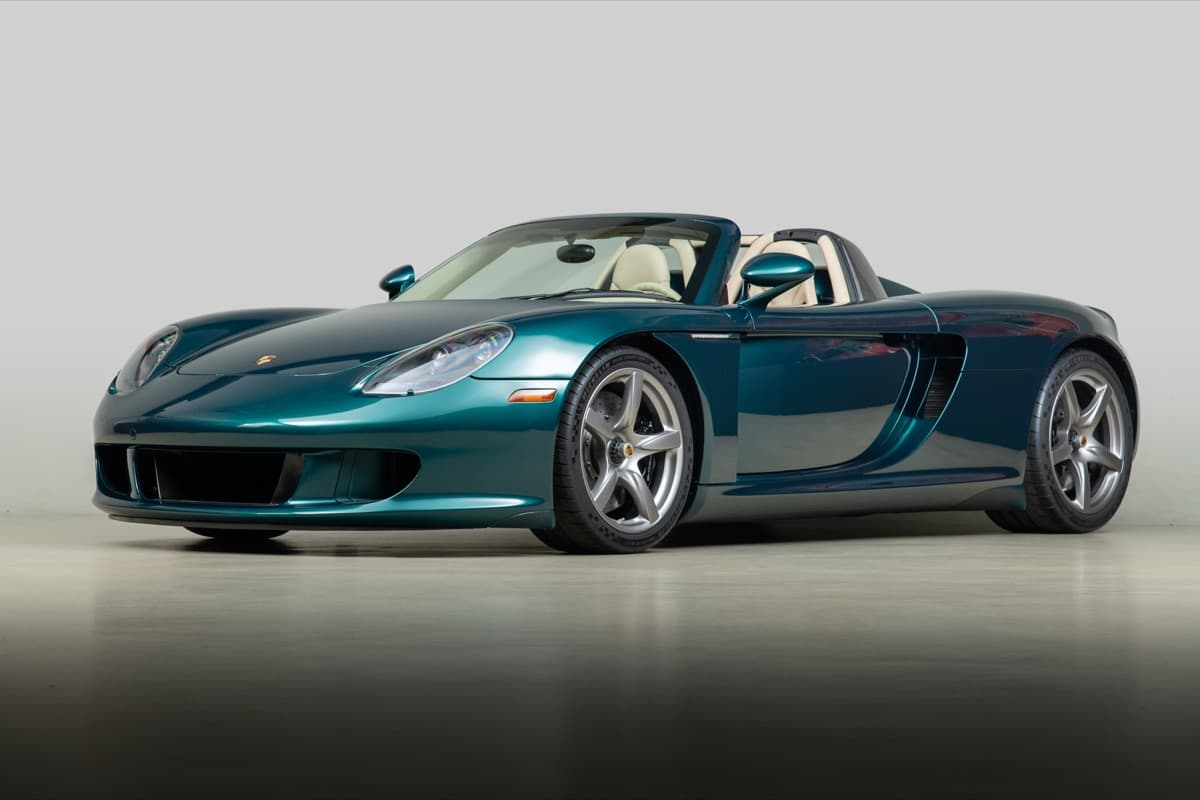
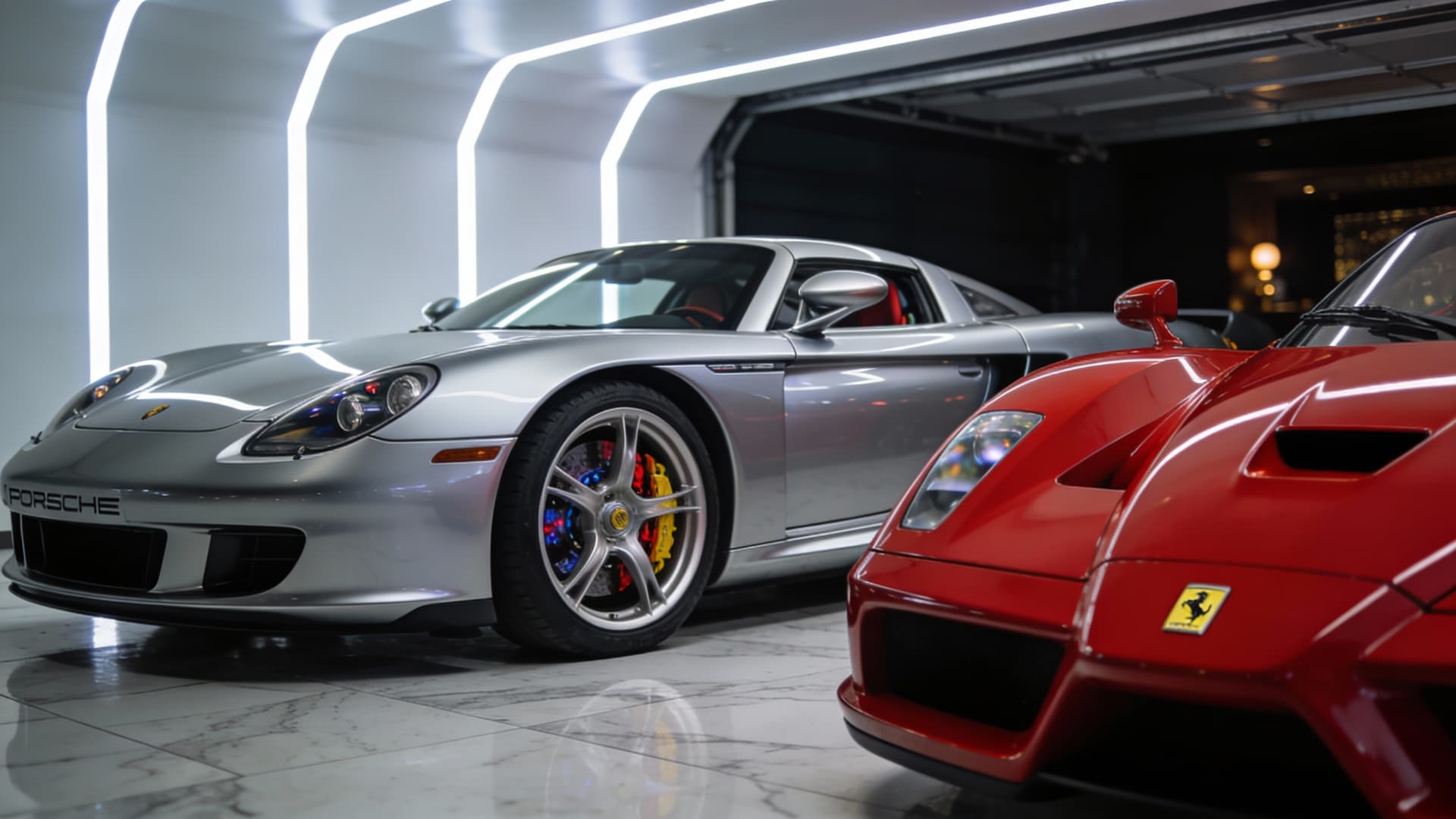
The Porsche Carrera GT and Ferrari Enzo arrived within two years of each other, both emerged from cancelled motorsport programs, and both represented the absolute pinnacle of what their respective manufacturers could achieve. Twenty years later, they remain the defining hypercars of their era—and they could not be more different in character.
These cars approach performance from opposite philosophies. The Carrera GT insists that the driver do the work, offering minimal electronic intervention and a manual transmission that demands skilled inputs. The Enzo wraps comparable performance in technology that makes it more accessible, with paddle-shifted gears, electronic stability systems, and active aerodynamics managing the extremes. Neither approach is inherently superior. They simply answer different questions about what a hypercar should be. For everything Carrera GT, visit our CGT resource center.
The Philosophical Divide
The Carrera GT grew from Porsche's abandoned LMP1 program, inheriting a V10 engine that was destined for endurance racing. When the project was cancelled, Porsche's engineers recognized they had created something too special to waste. The resulting road car kept the racing DNA without the compromises that customer racing demands. There is no option for automated shifting. Electronic nannies remain minimal. Success with the Carrera GT depends almost entirely on the driver's skill.
The Enzo—named for Ferrari's founder, deliberately announced as simply a name rather than a model designation—descended from Formula One technology translated for street use. Its F1 gearbox shifts in milliseconds, operated through paddles behind the steering wheel. Electronic systems intervene intelligently to help drivers approach limits that would be intimidating without such assistance. The car makes its extraordinary performance accessible in ways the Carrera GT refuses to.
Starting the Carrera GT is an event. The V10 fires with a bark that settles into an impossibly smooth idle, the sound suggesting what awaits when you finally push the throttle. But it's the drive that defines the character. The ceramic clutch is notorious—it requires careful modulation that many owners struggle to master for months before achieving smooth takeoffs. The engine revs with intensity that defies its displacement, building from rumble to spine-tingling wail as you approach 8,400 RPM. The handling demands precise inputs because the car offers limited electronic intervention when the rear decides to rotate.
The Enzo approaches performance differently. The F1 gearbox delivers shifts too quick for human perception, automatically blipping throttle on downshifts with perfection a driver could never match. The V12 produces that unmistakable Ferrari wail with linear power delivery throughout the rev range. Electronic systems provide a safety net—traction control and stability programs intervene intelligently, allowing drivers to approach limits with more confidence. The car is still demanding by normal standards, but forgiveness exists when mistakes happen.
Performance in Numbers
The specifications favor the Enzo slightly in most measurable categories. Its 6.0-liter V12 produces 651 horsepower versus the Carrera GT's 605 from its 5.7-liter V10. Torque reaches 485 pound-feet versus 435. Zero to sixty arrives in 3.3 seconds versus 3.5. Top speed stretches to 217 mph versus 205.
Yet the power-to-weight ratios are identical at 4.96 pounds per horsepower—the Enzo's additional power is offset by its additional weight at 3,230 pounds versus 3,043. On paper, the cars are remarkably close. In practice, the experience could not be more different.
Ferrari built only 400 Enzos, making it substantially rarer than the Carrera GT's 1,270 units. Original pricing reflected this exclusivity—the Enzo started at ,000 versus ,400 for the Carrera GT. Today, both have appreciated dramatically, but the Enzo's lower production numbers command premium positioning.
What Ownership Costs
Both cars are expensive to maintain, but the cost profiles differ in character as well as magnitude.
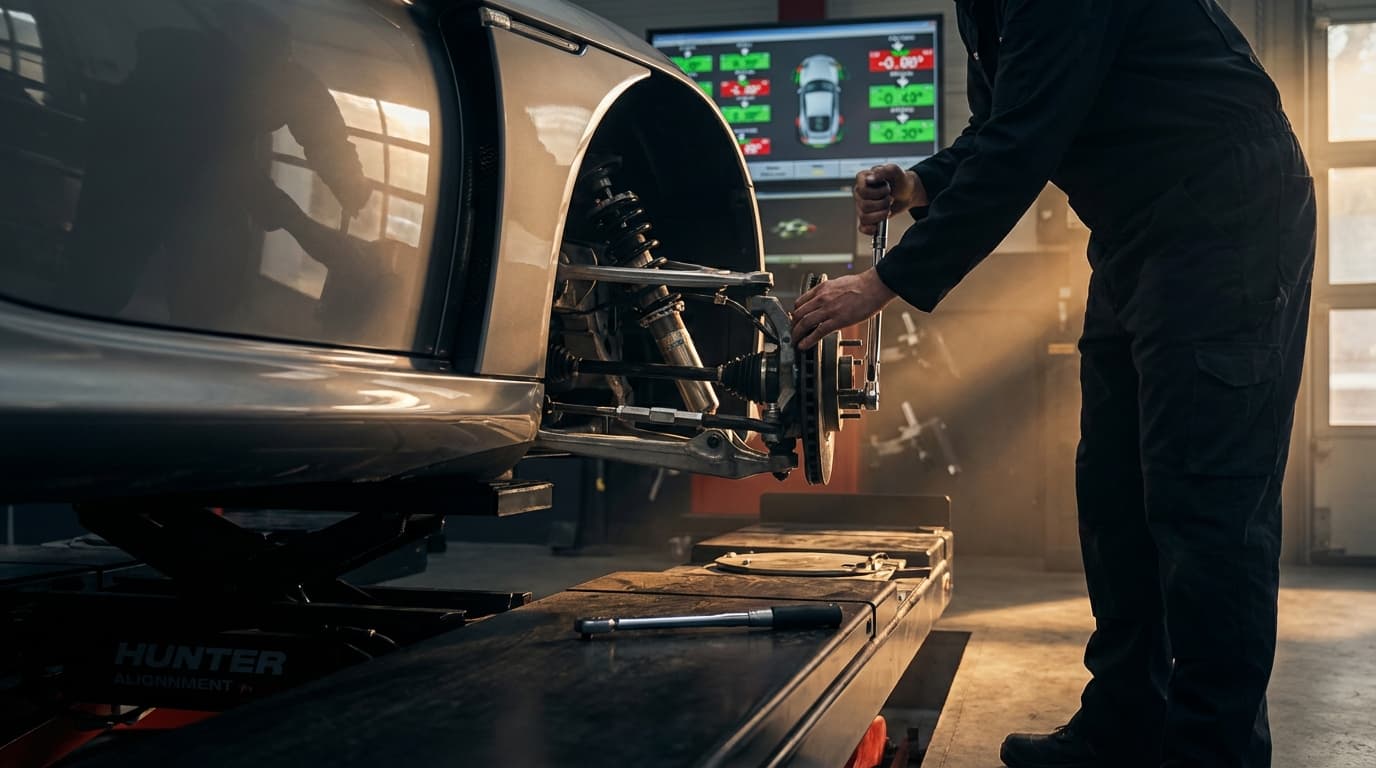
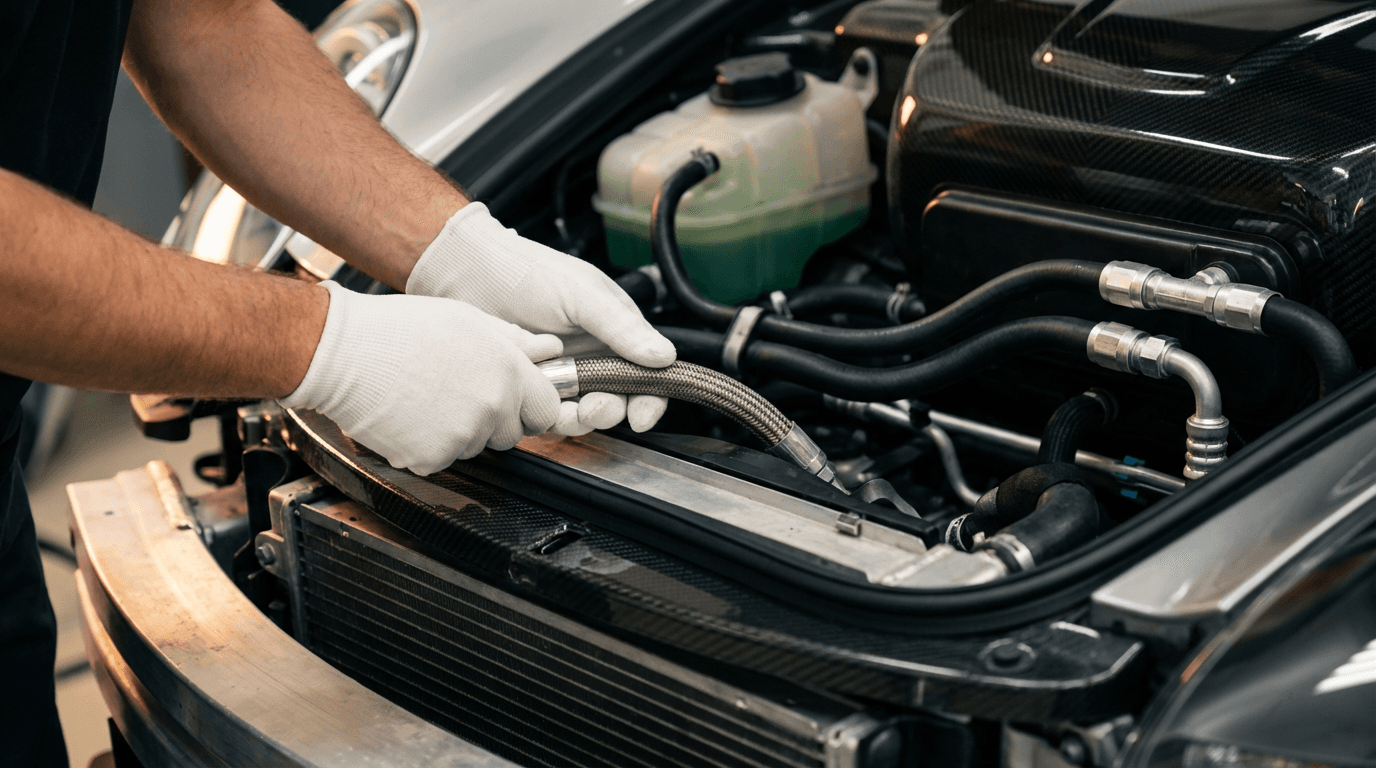
Carrera GT annual service at a qualified specialist typically runs three to eight thousand dollars. Major service items hit harder—clutch replacement reaches sixteen to twenty-seven thousand, timing service runs eight to twelve thousand, and engine-out service for comprehensive attention costs twenty-five to forty thousand. But independent specialists exist who know these cars, and finding qualified service doesn't require factory authorization.
Enzo ownership tends to cost more. Annual service runs five to twelve thousand at specialists, often higher at authorized dealers. Clutch replacement reaches twenty-two to thirty-eight thousand. Timing service runs twelve to eighteen thousand. Engine-out service costs thirty-five to sixty thousand. Ferrari's more controlled service network means fewer alternatives to dealer pricing, and the F1 transmission's complexity adds maintenance requirements the manual Carrera GT doesn't share.
Insurance costs more for both than most owners expect—fifteen to thirty-five thousand annually for the Carrera GT, twenty to forty-five thousand for the Enzo. Tire replacement runs into multiple thousands for either car. These are not vehicles that tolerate neglected maintenance, and the costs of catching up on deferred service multiply quickly.
Current Market Values
The market has matured for both cars, with strong appreciation reflecting their significance.
Carrera GT values have stabilized after peaking around 2016-2017. Concours examples with under one thousand miles command .8 to .5 million or more. Excellent examples with modest mileage trade between .0 and .8 million. Even higher-mileage drivers rarely fall below .2 million.
Enzo values reflect lower production and Ferrari exclusivity. Concours examples push toward million. Excellent examples trade between .5 and .5 million. Even drivers rarely fall below million. The prancing horse commands premiums that transcend performance specifications.
Both cars have proven excellent investments, significantly outperforming traditional investment vehicles over the past decade. The question isn't which will appreciate more—it's which you'd rather own while waiting.
Making the Choice
The decision depends on what you want from hypercar ownership.
The Carrera GT demands everything and rewards accordingly. The manual transmission requires your attention. The chassis communicates constantly. The clutch teaches you whether you're willing to learn or whether you'll fight it forever. Success feels earned because it is. The V10 sound cannot be replicated by any other road car. The analog character makes every drive an event.
The Enzo makes extraordinary performance more accessible. The F1 gearbox handles shifting with precision you cannot match. Electronic systems provide assistance when you need it. The V12 delivers that unmistakable Ferrari wail. The learning curve is less steep, making regular enjoyment more achievable. The Ferrari name carries weight in ways that transcend performance specifications.
Neither choice is wrong. They're different answers to different questions about what matters most in hypercar ownership.
Our Perspective
We specialize in Carrera GT service because the car represents everything we love about Porsche: engineering excellence, driver engagement, and uncompromising execution. The V10 symphony, the demand for skill, the reward when you get it right—these define an experience that cannot be replicated.
We respect the Enzo. It's an extraordinary machine that represents the best of Ferrari's capabilities. But for those who want to be genuinely involved in the driving experience rather than assisted through it, the Carrera GT remains our choice.
Considering a Carrera GT or need service for one you own? Contact Repasi Motorwerks in Stratford, Connecticut. We've built our expertise around these cars and would welcome the opportunity to help.